India +91 94223 00020abhay@splendidlab.comISO 17034:2016 · GLP certified
Nateglinide is an oral antihyperglycemic agent belonging to the meglitinide class, primarily prescribed to manage blood glucose levels in patients with type 2 diabetes by stimulating insulin release from… Read more
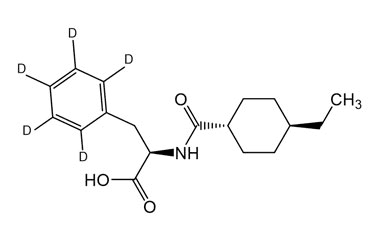
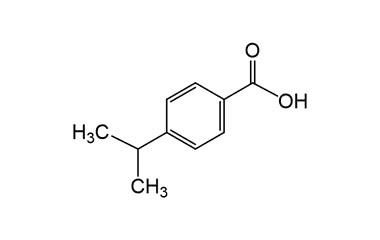

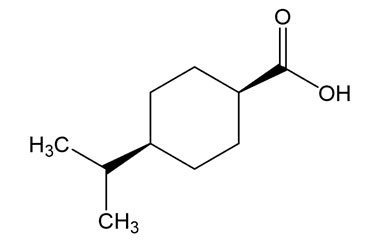
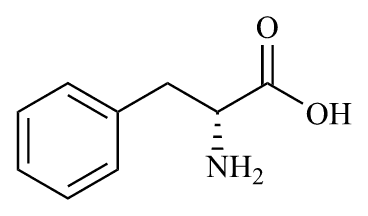
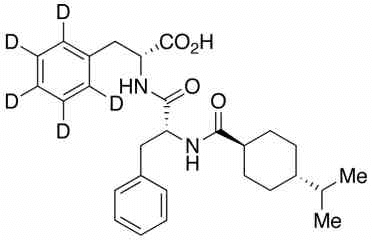
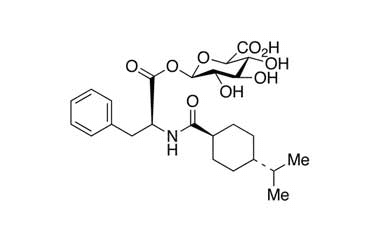
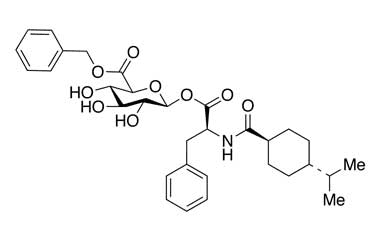
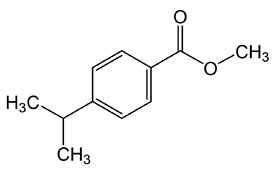
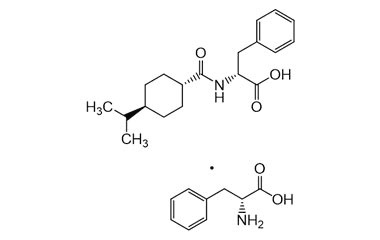

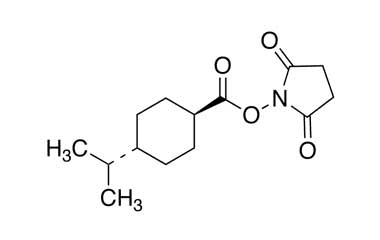
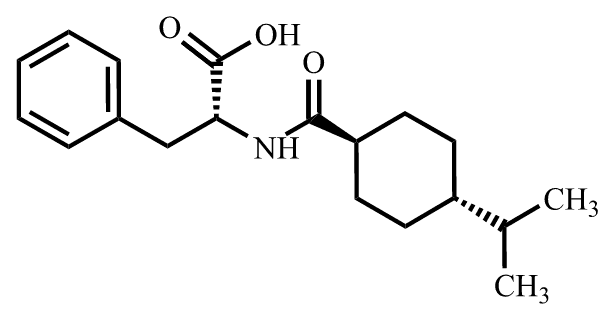
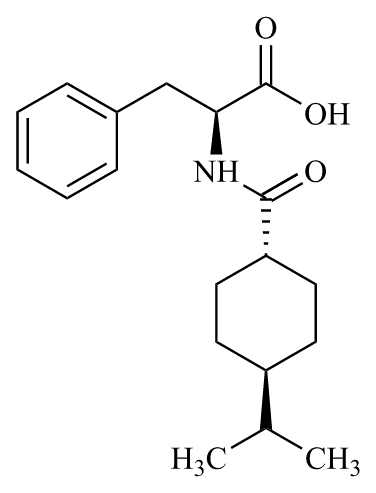
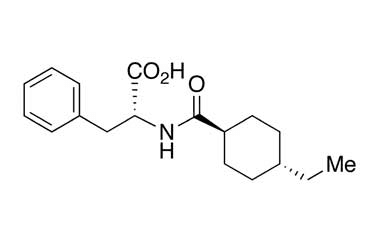
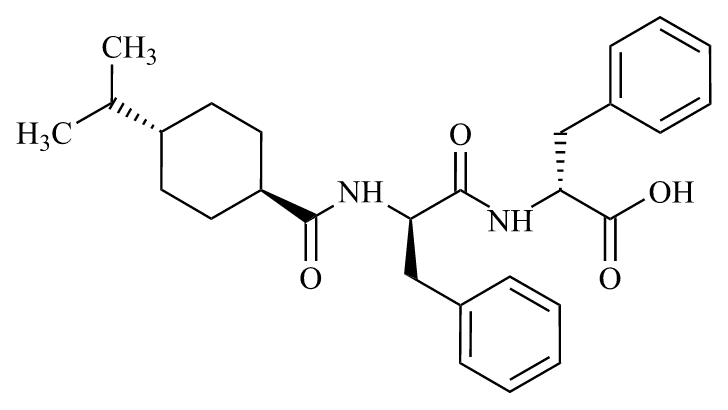
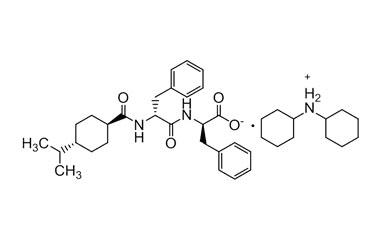
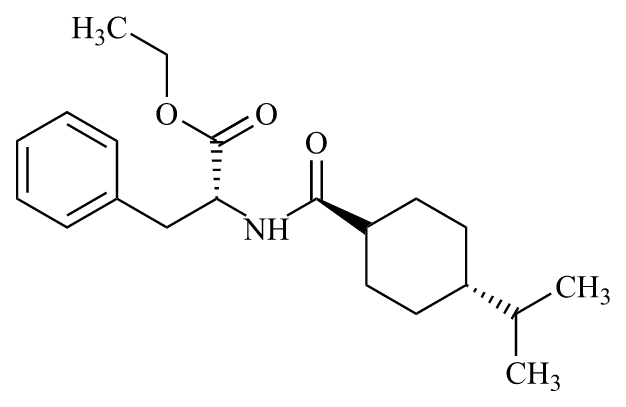
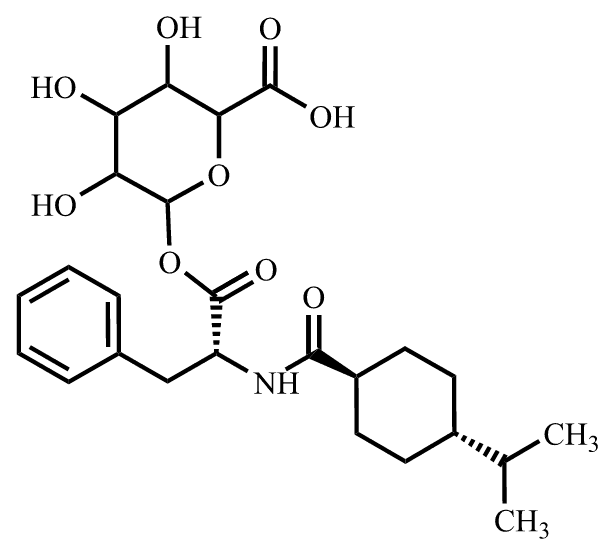

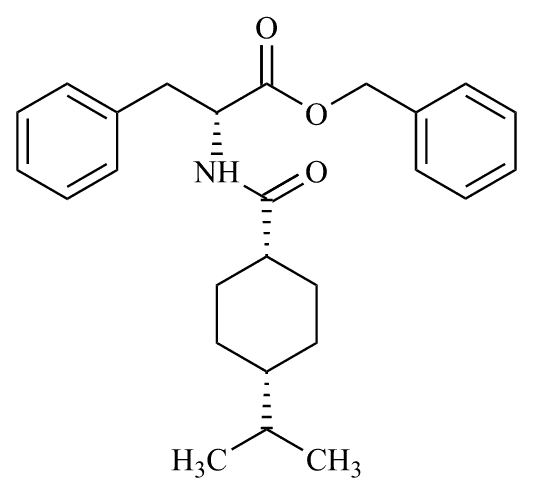
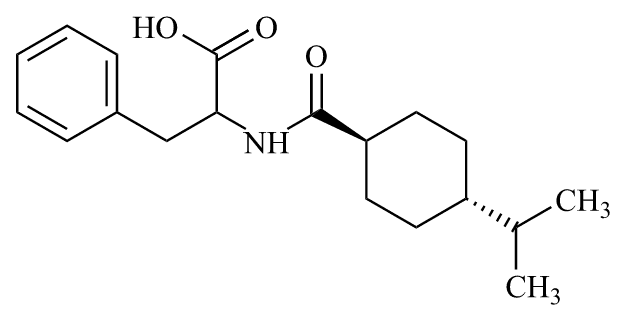
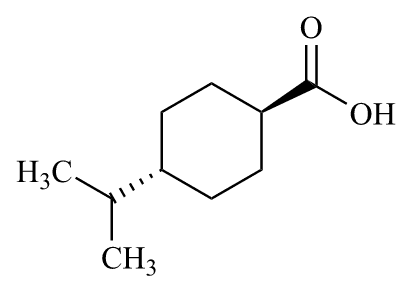
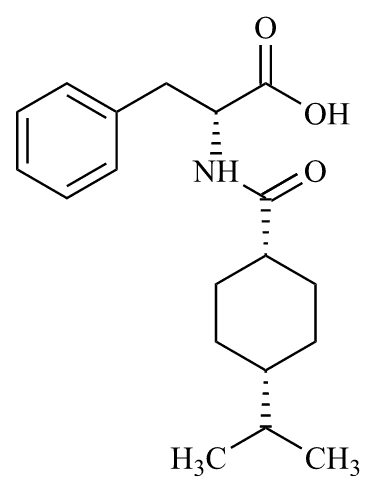
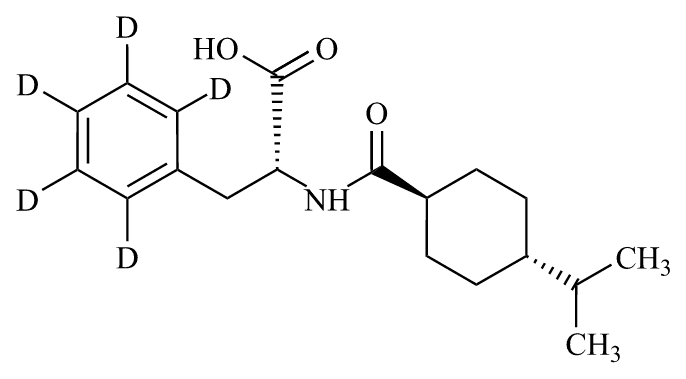

Nateglinide is an oral antihyperglycemic agent belonging to the meglitinide class, primarily prescribed to manage blood glucose levels in patients with type 2 diabetes by stimulating insulin release from pancreatic beta cells. Laboratories use a range of Nateglinide reference standards, including pharmacopeial and non-pharmacopeial impurities, metabolites such as acyl glucuronides, and stable isotope labelled compounds, to ensure rigorous quality control. These materials are essential for impurity profiling, allowing researchers to monitor degradation products formed through hydrolysis, oxidation, or photolysis. By utilizing these characterized standards during analytical method validation, laboratories can assess the safety and potency of drug batches in compliance with regulatory guidelines. Stable isotope labelled compounds, such as Nateglinide-d5, further enhance the accuracy of mass spectrometry-based assays. This comprehensive selection of related compounds supports the full lifecycle of drug analysis, from initial method development to long-term stability testing and regulatory reporting.

