India +91 94223 00020abhay@splendidlab.comISO 17034:2016 · GLP certified
Niacin, also known as vitamin B3 or nicotinic acid, is a water-soluble B-complex vitamin essential for cellular metabolism and frequently prescribed to treat pellagra and manage lipid disorders by lowering… Read more
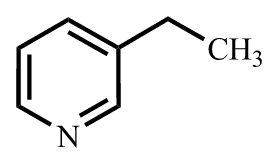


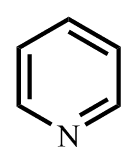


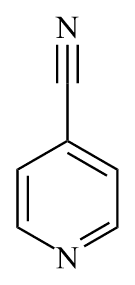
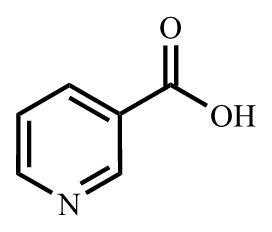


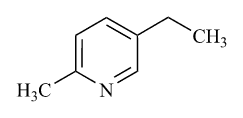
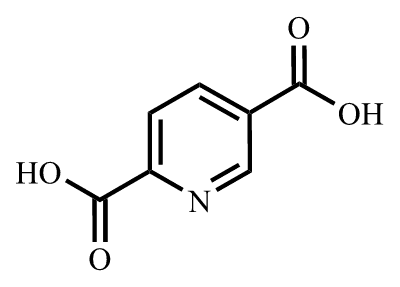
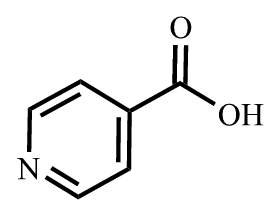
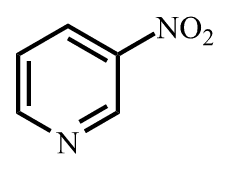
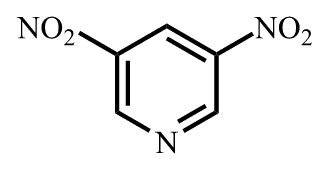
Niacin, also known as vitamin B3 or nicotinic acid, is a water-soluble B-complex vitamin essential for cellular metabolism and frequently prescribed to treat pellagra and manage lipid disorders by lowering serum cholesterol and triglycerides. In the pharmaceutical industry, precise analytical control is critical, necessitating the use of high-quality reference standards for Niacin and its related substances. This collection includes pharmacopeial and non-pharmacopeial impurities, synthetic intermediates, and degradation products necessary for rigorous impurity profiling and method validation. Laboratories utilize these compounds to satisfy regulatory requirements, ensuring product safety and therapeutic efficacy throughout development and stability testing. Additionally, the availability of stable isotope labelled compounds, such as deuterated and 13C-labelled analogs, provides essential internal standards for sensitive analytical techniques, enabling accurate quantification and characterization in complex matrices during degradation studies and quality control procedures.

