India +91 94223 00020abhay@splendidlab.comISO 17034:2016 · GLP certified
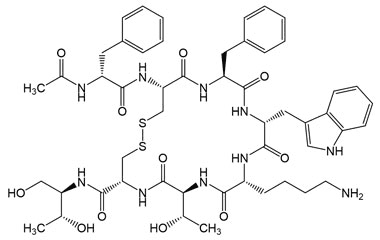
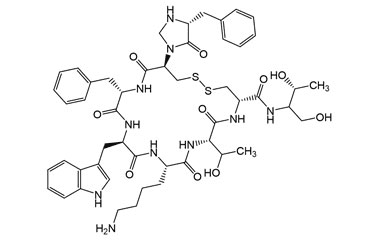
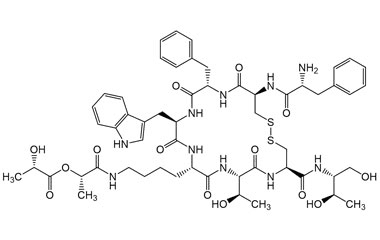
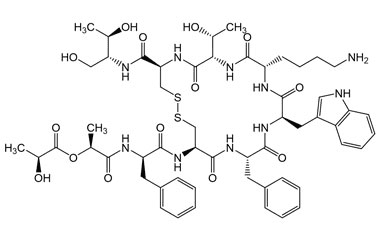
Octreotide is a synthetic octapeptide and somatostatin analog primarily used in the management of acromegaly, carcinoid syndrome, and various neuroendocrine tumors. By binding to somatostatin receptors,… Read more












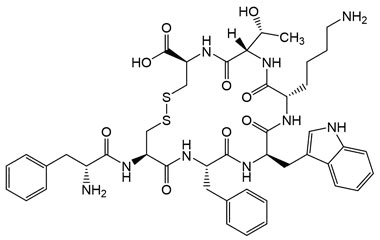
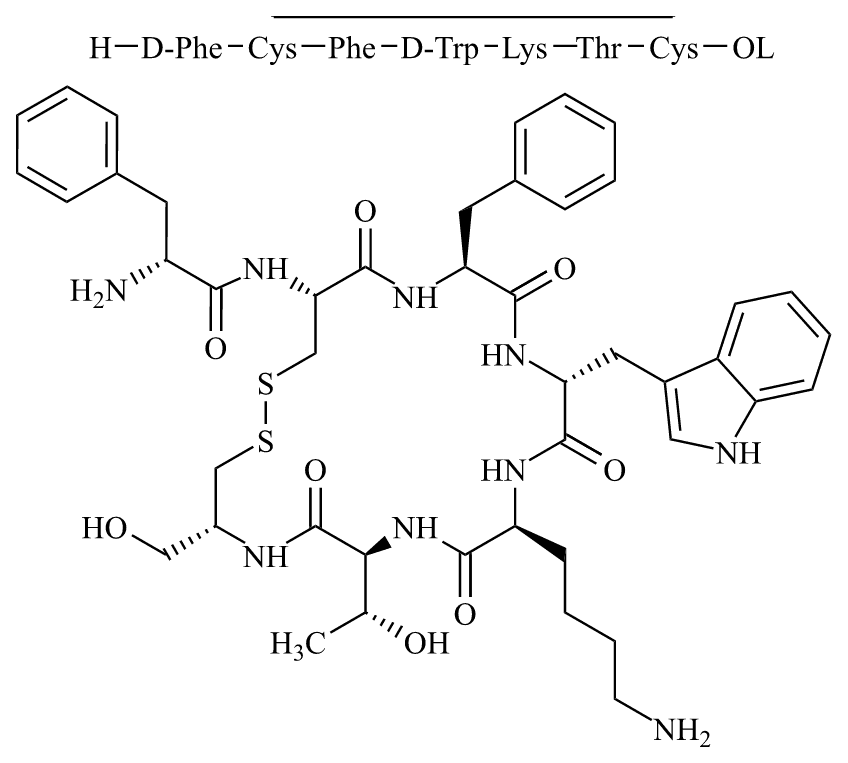
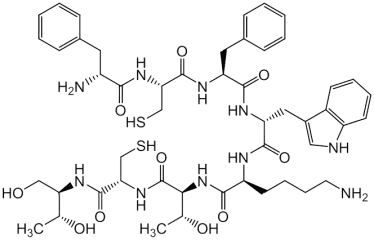

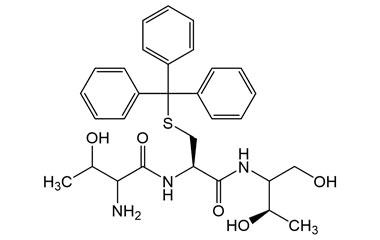


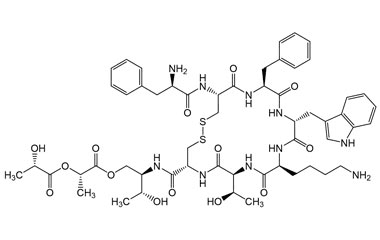

![Chemical structure of Des-Thr-ol8]-Cys7-amide-Octreotide ditrifluoroacetate](/_next/image?url=https%3A%2F%2Fassets.splendidlab.com%2FDes-Thr-ol8-Cys7-amide-Octreotide-ditrifluoroacetate.png&w=3840&q=75)
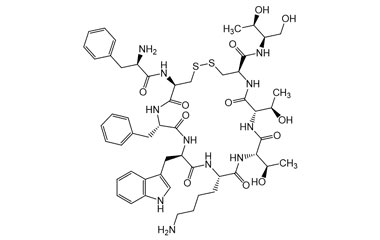

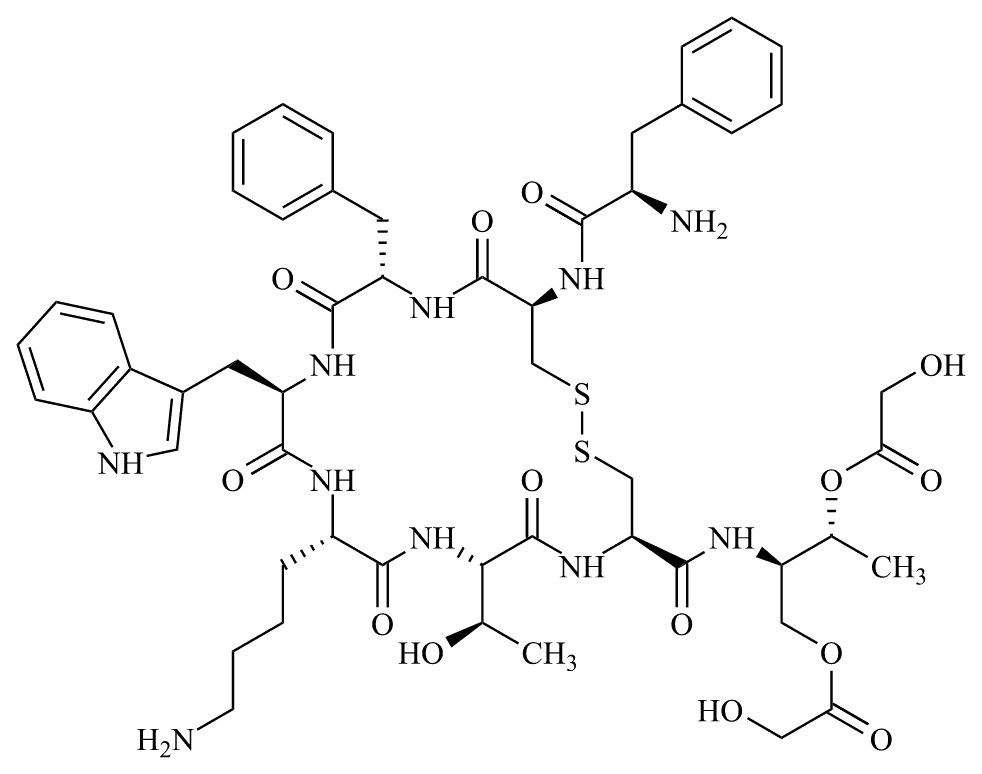
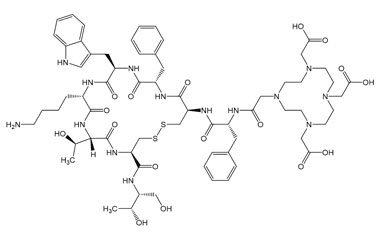
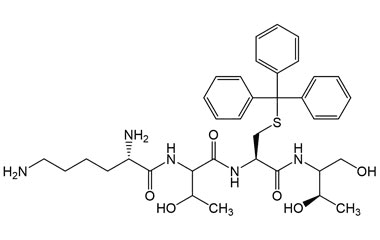
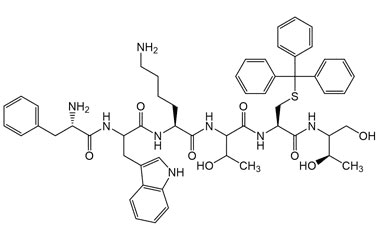
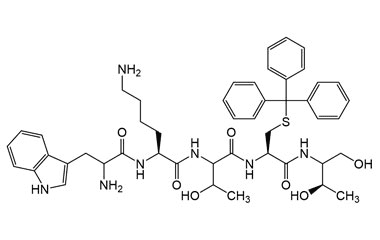
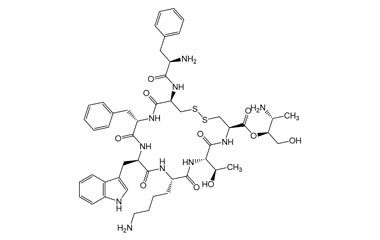
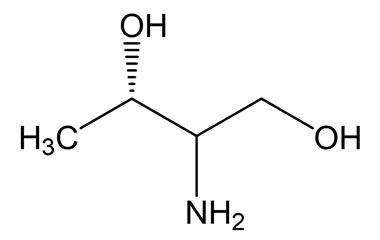
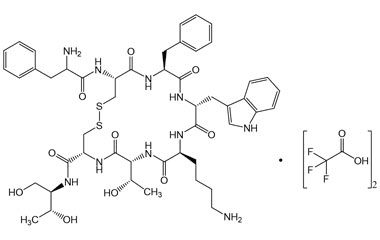
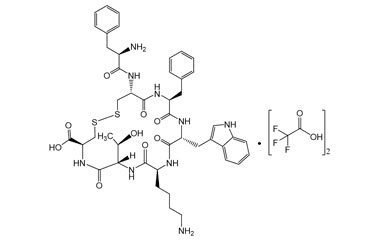
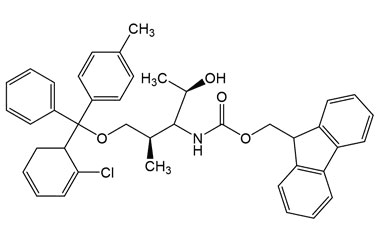
Octreotide is a synthetic octapeptide and somatostatin analog primarily used in the management of acromegaly, carcinoid syndrome, and various neuroendocrine tumors. By binding to somatostatin receptors, it effectively inhibits the secretion of growth hormone, insulin, and other gastrointestinal hormones. In pharmaceutical research and development, high-quality reference standards, including pharmacopeial and non-pharmacopeial impurities, metabolites, and stable isotope labelled compounds, are essential for rigorous analytical testing. These materials facilitate precise impurity profiling, enabling the accurate identification and quantification of process-related and degradation products. Laboratories utilize these compounds during method development, analytical method validation, and ongoing quality control to ensure the integrity, safety, and regulatory compliance of drug substances. By providing reliable benchmarks, these analytical standards support consistent data and help maintain the strict quality requirements necessary throughout the pharmaceutical lifecycle, ensuring that therapeutic agents remain safe and effective for clinical applications.

