India +91 94223 00020abhay@splendidlab.comISO 17034:2016 · GLP certified
Osimertinib is a third-generation epidermal growth factor receptor (EGFR) tyrosine kinase inhibitor primarily indicated for the treatment of locally advanced or metastatic non-small-cell lung cancer (NSCLC)… Read more





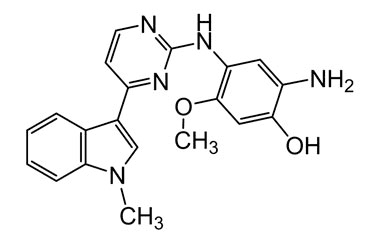


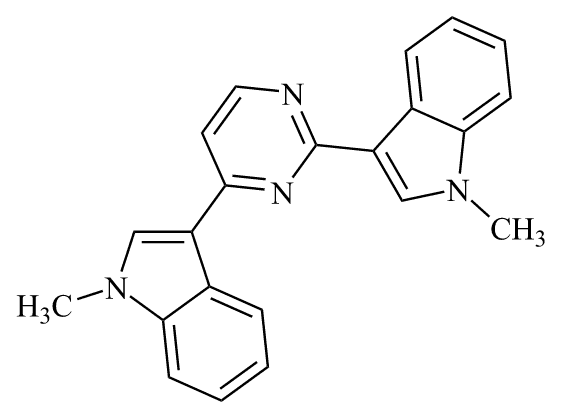


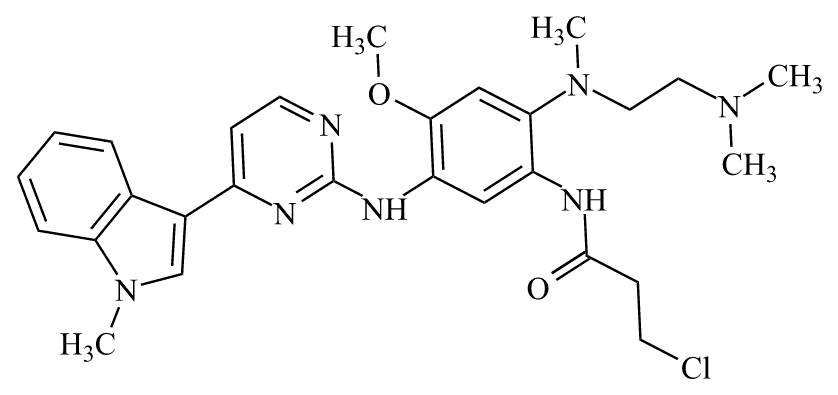

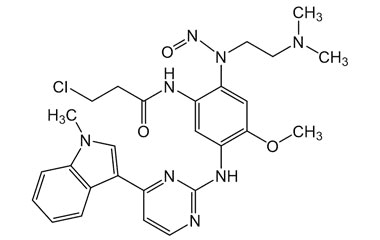
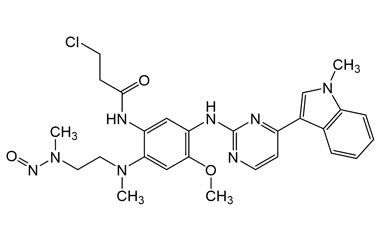

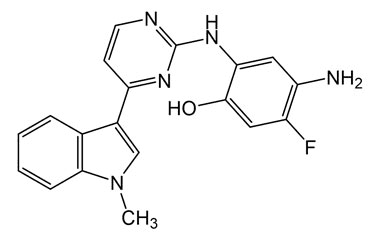


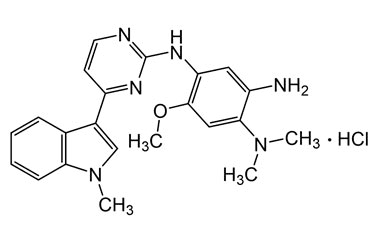
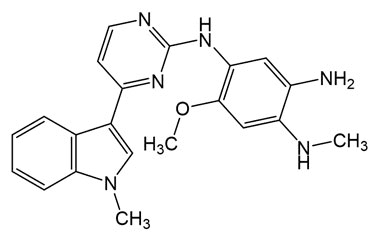


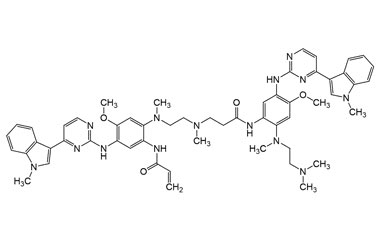
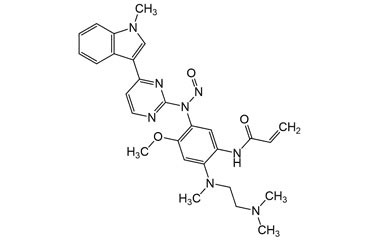

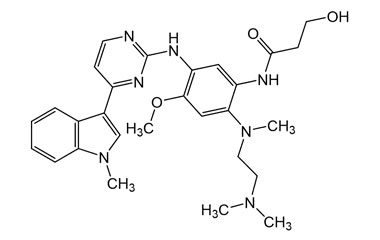

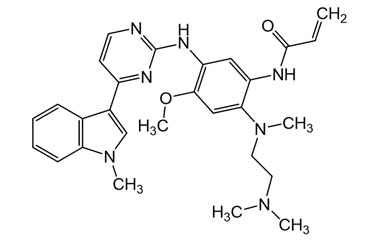
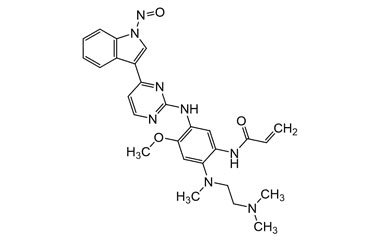

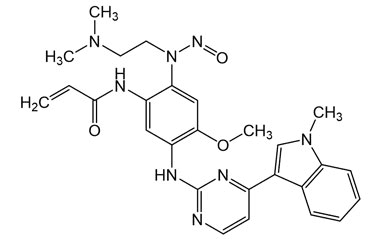

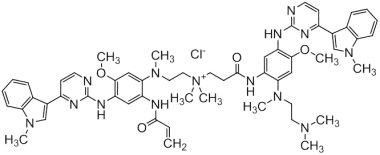
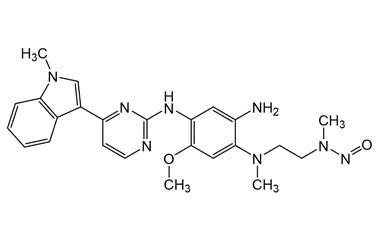
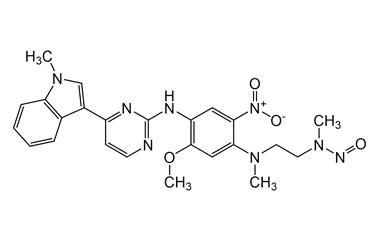


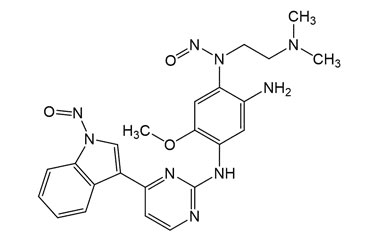
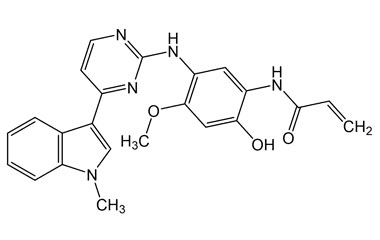

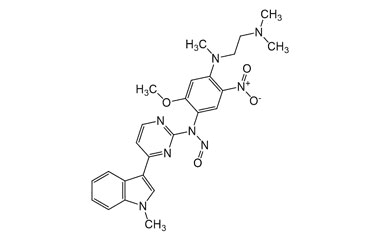
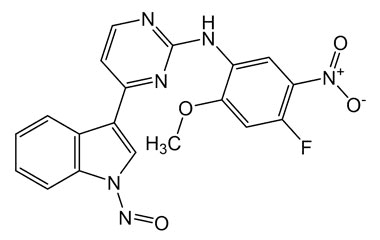
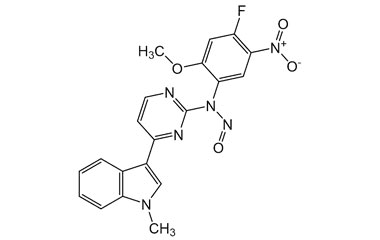

Osimertinib is a third-generation epidermal growth factor receptor (EGFR) tyrosine kinase inhibitor primarily indicated for the treatment of locally advanced or metastatic non-small-cell lung cancer (NSCLC) in patients with specific EGFR mutations. The reference standards for Osimertinib and its related compounds are essential for laboratories conducting comprehensive analytical testing, method validation, and quality control. This category provides access to high-quality API reference materials, along with synthetic intermediates, process-related impurities, degradation products, and stable isotope labelled compounds. These materials are critical for accurate impurity profiling, supporting stability studies, and ensuring compliance with regulatory guidelines during drug development. By providing chemically characterized substances, these standards allow for precise identification and quantification in complex pharmaceutical matrices, facilitating reliable analytical performance across research and development workflows. Laboratory professionals utilize these tools to maintain rigorous safety and efficacy benchmarks throughout the entire pharmaceutical product lifecycle.

