India +91 94223 00020abhay@splendidlab.comISO 17034:2016 · GLP certified
Oxybuprocaine hydrochloride is a local anesthetic of the ester class widely utilized for surface anesthesia in ophthalmic, otic, and nasal procedures. It acts by blocking sodium channels to interrupt nerve… Read more
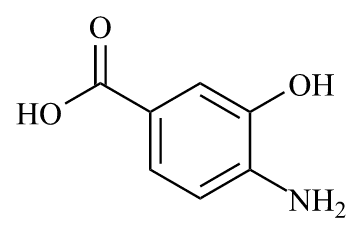
Oxybuprocaine hydrochloride is a local anesthetic of the ester class widely utilized for surface anesthesia in ophthalmic, otic, and nasal procedures. It acts by blocking sodium channels to interrupt nerve impulse conduction and is rapidly metabolized in the body by esterases. For pharmaceutical analysis, high-quality reference standards are essential to ensure the safety and efficacy of the drug substance. This category provides access to the active ingredient, along with essential degradation impurities and metabolites such as 3-hydroxy-p-aminobenzoic acid and oxybuprocaine N-oxide. These compounds are critical for accurate impurity profiling and method validation, allowing laboratories to reliably monitor potential contaminants in drug formulations. Researchers also rely on stable isotope labelled compounds within this range to serve as internal standards for sensitive mass spectrometry-based assays, facilitating precise quantification during stability testing and routine quality control processes.