India +91 94223 00020abhay@splendidlab.comISO 17034:2016 · GLP certified
Oxybutynin is a potent antimuscarinic and antispasmodic agent primarily used to treat overactive bladder symptoms, including urinary urgency, frequency, and urge incontinence. By competitively inhibiting… Read more
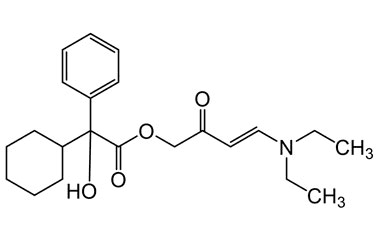
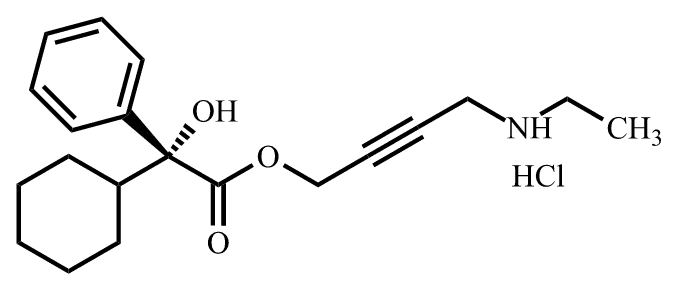
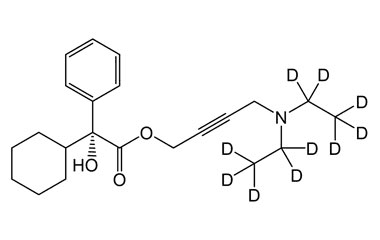
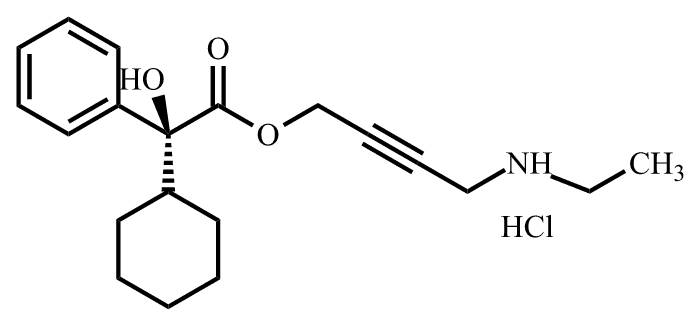
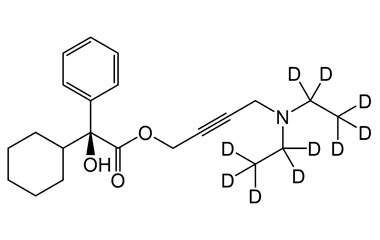
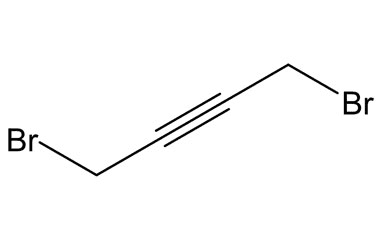
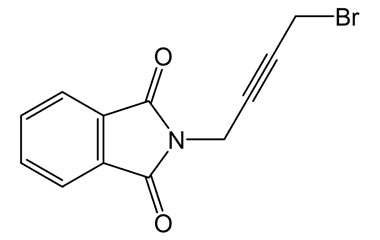


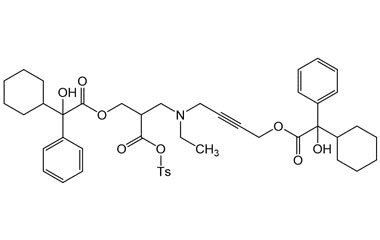
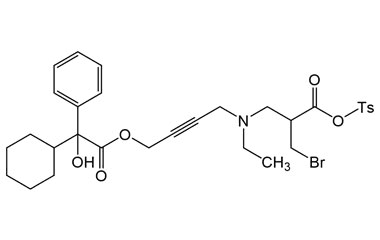
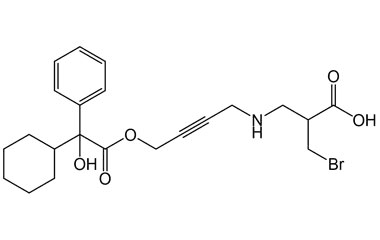
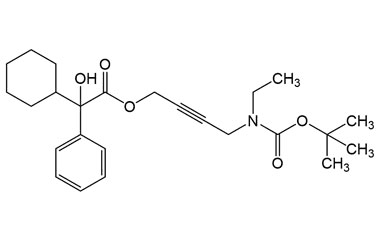
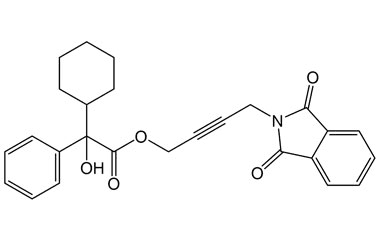
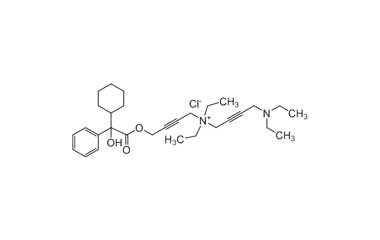
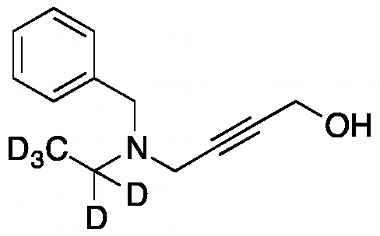
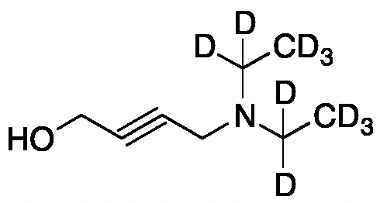
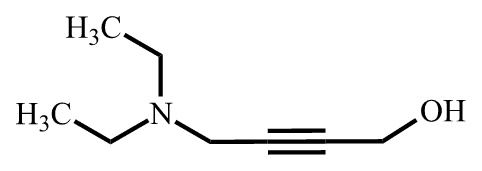
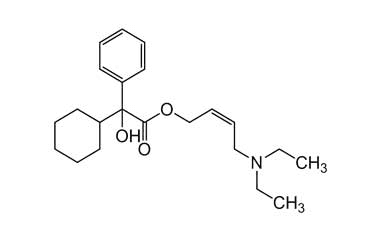
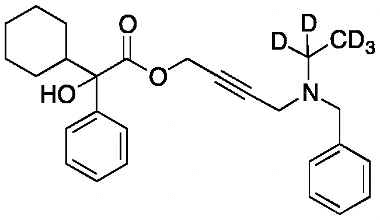
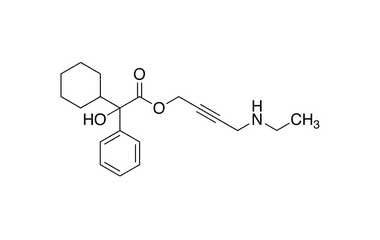
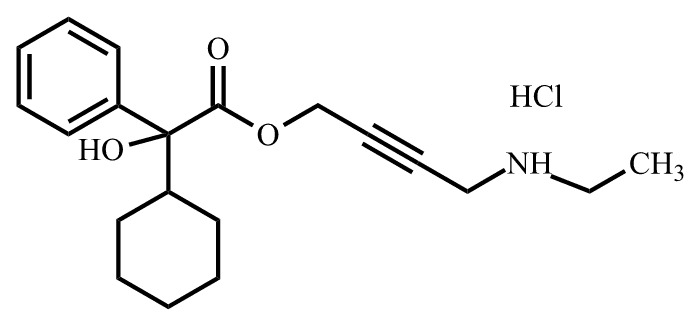
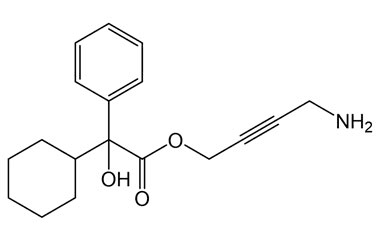
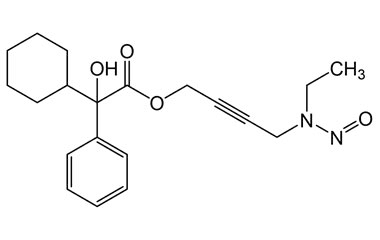
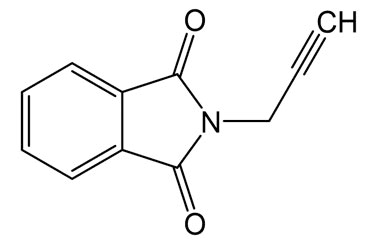
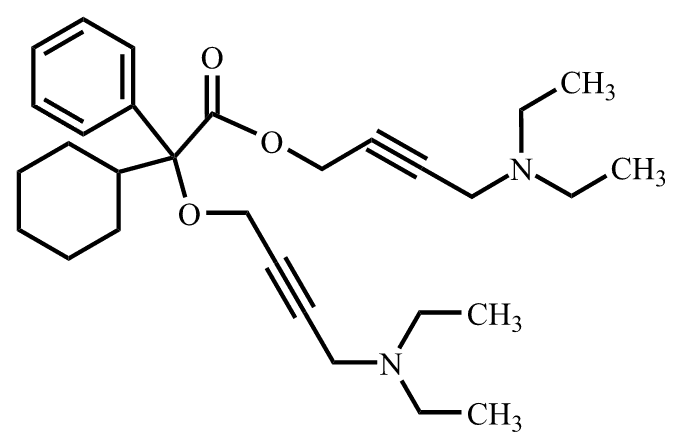
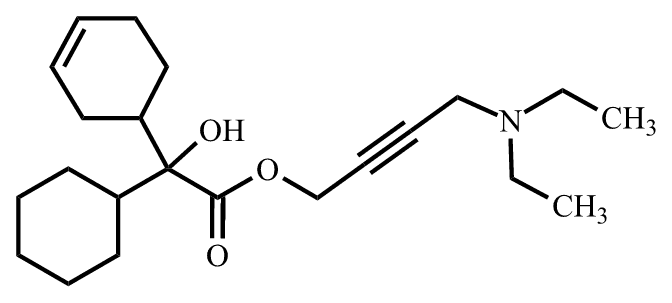
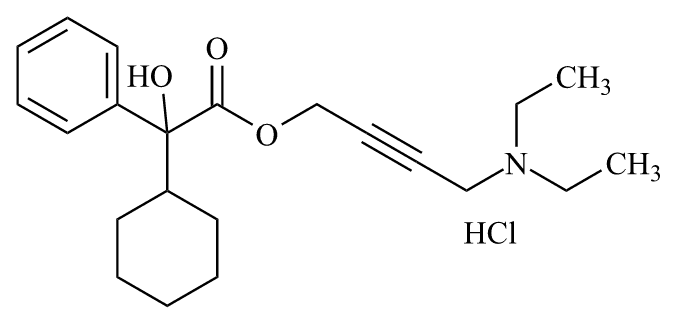

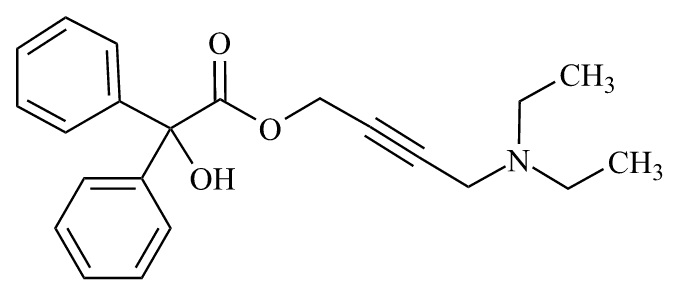
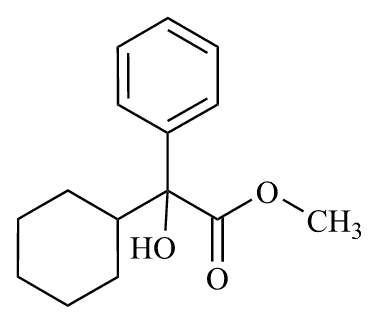
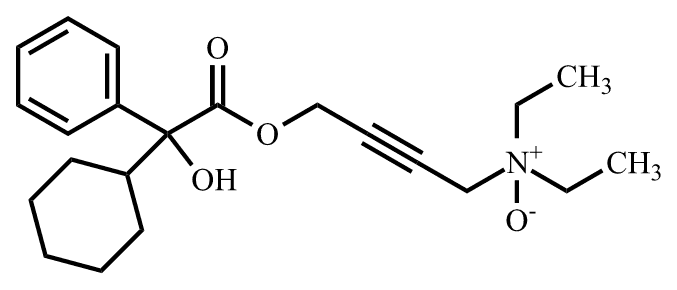


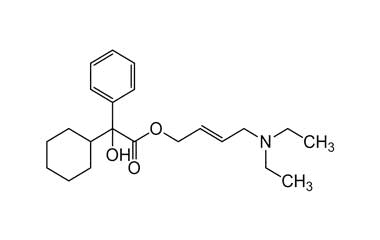
Oxybutynin is a potent antimuscarinic and antispasmodic agent primarily used to treat overactive bladder symptoms, including urinary urgency, frequency, and urge incontinence. By competitively inhibiting muscarinic acetylcholine receptors, it relaxes smooth muscle in the bladder, which helps increase capacity and reduce involuntary contractions. In pharmaceutical research and development, high-quality reference standards for oxybutynin and its related compounds are essential for rigorous quality control and regulatory compliance. Analytical laboratories utilize these materials for impurity profiling to identify and quantify process-related impurities and degradation products that may arise during synthesis or storage. Furthermore, stable isotope labelled compounds, such as deuterated oxybutynin derivatives, serve as vital internal standards in mass spectrometry-based bioanalytical methods. These reference materials ensure the precision, reproducibility, and sensitivity required for method validation, stability studies, and the ongoing verification of drug purity throughout the product lifecycle.

