India +91 94223 00020abhay@splendidlab.comISO 17034:2016 · GLP certified
Phosphatidylcholine and related lipid compounds form a vital class of phospholipids widely used as reference standards in pharmaceutical and biochemical research. These compounds are essential components… Read more


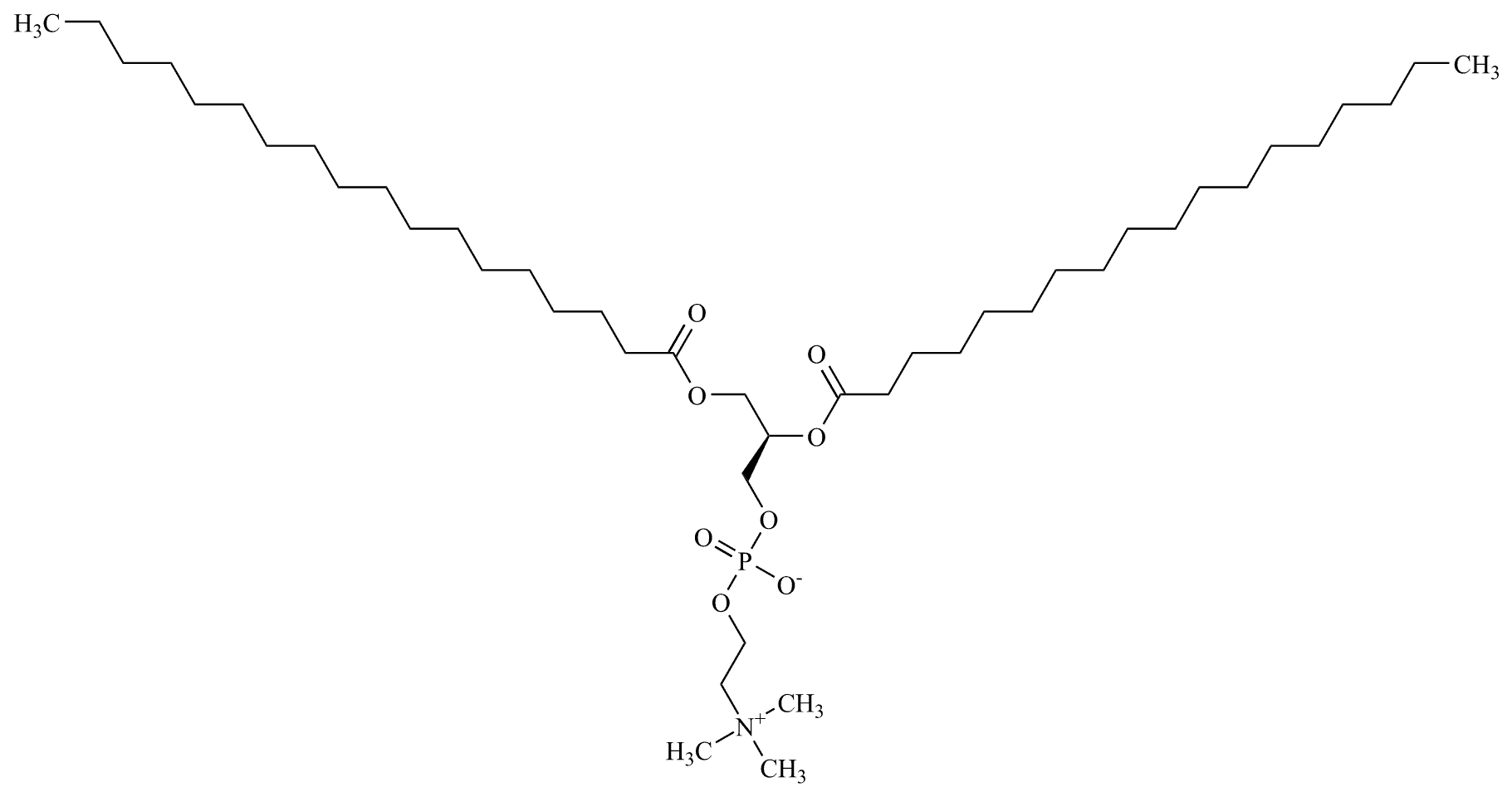

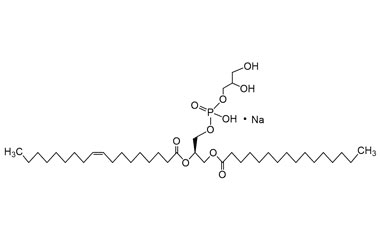

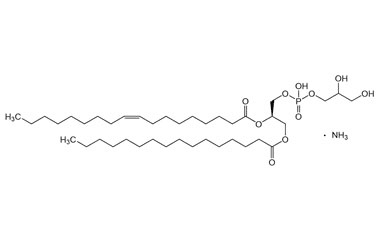


Phosphatidylcholine and related lipid compounds form a vital class of phospholipids widely used as reference standards in pharmaceutical and biochemical research. These compounds are essential components of cell membranes and function as key materials for laboratories conducting lipidomic studies, method validation, and analytical characterization. The product list includes diverse derivatives, encompassing significant impurities like lysolecithin, metabolites such as phosphatidic acid, and stable isotope labelled standards. These materials are crucial for accurate impurity profiling and quantitative analysis in mass spectrometry and chromatographic workflows. By providing consistent and reliable reference compounds, these lipids enable scientists to maintain rigorous quality control during drug development and biological investigations, ensuring precision in complex lipid analysis.

