India +91 94223 00020abhay@splendidlab.comISO 17034:2016 · GLP certified
Piperaquine phosphate is a bisquinoline derivative antimalarial agent used to treat malaria infections, including those caused by multidrug-resistant Plasmodium strains. Pharmaceutical laboratories conducting… Read more

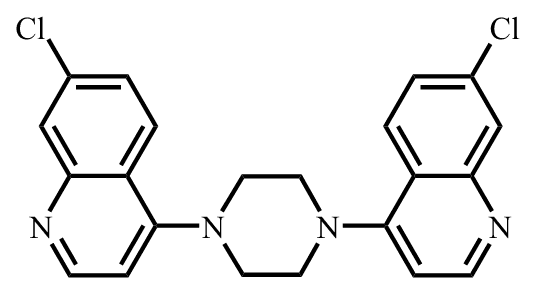
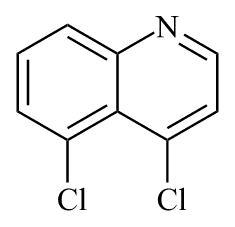

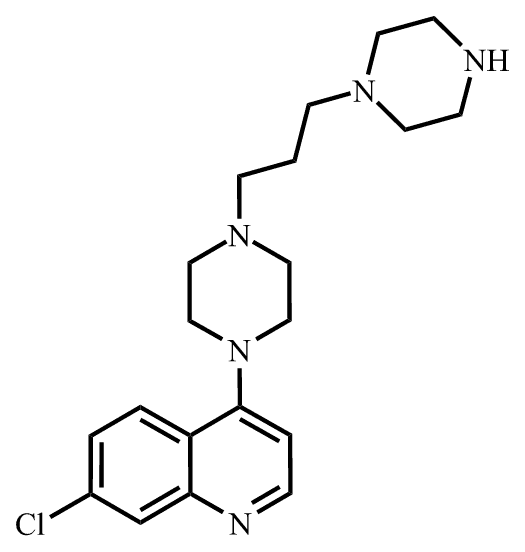
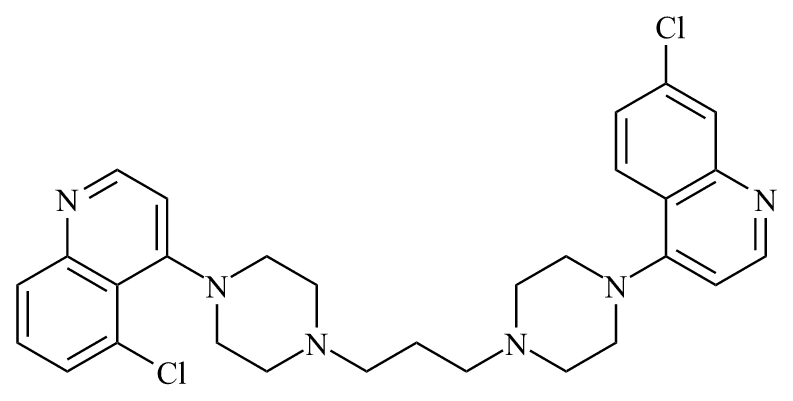
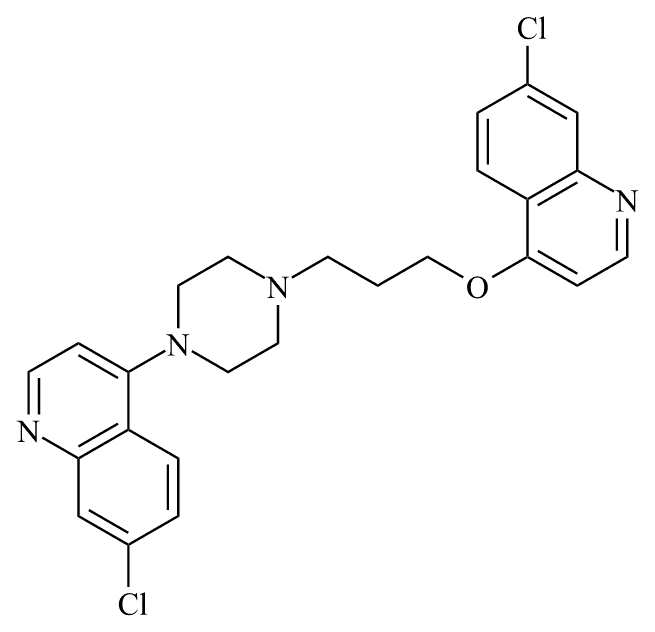
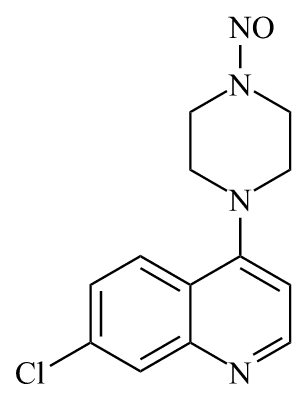
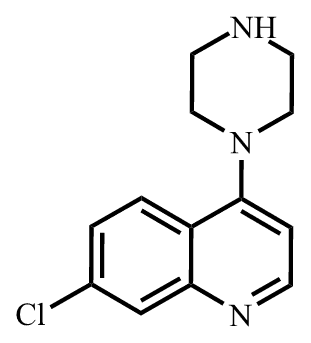

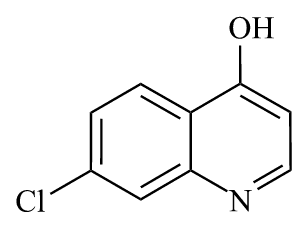

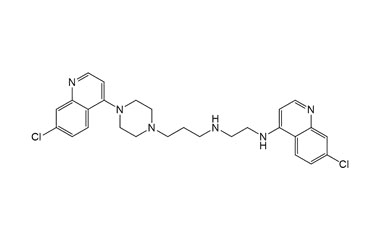
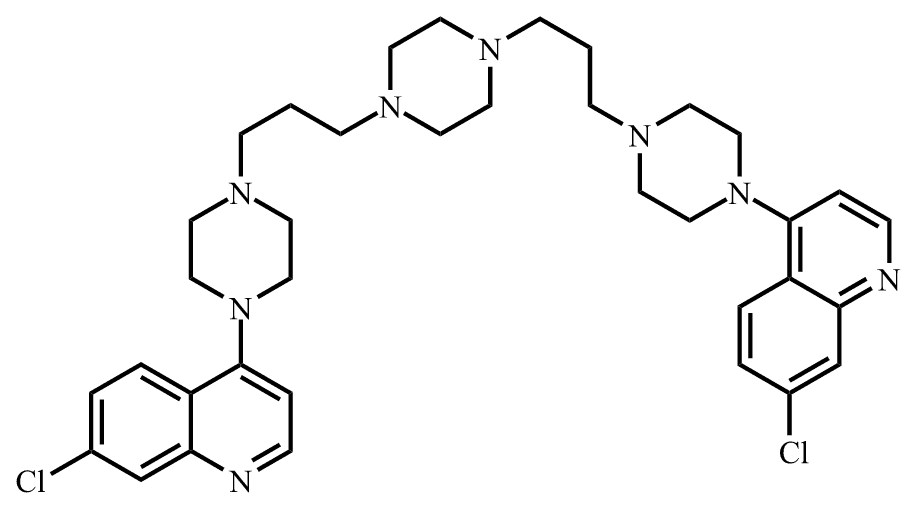
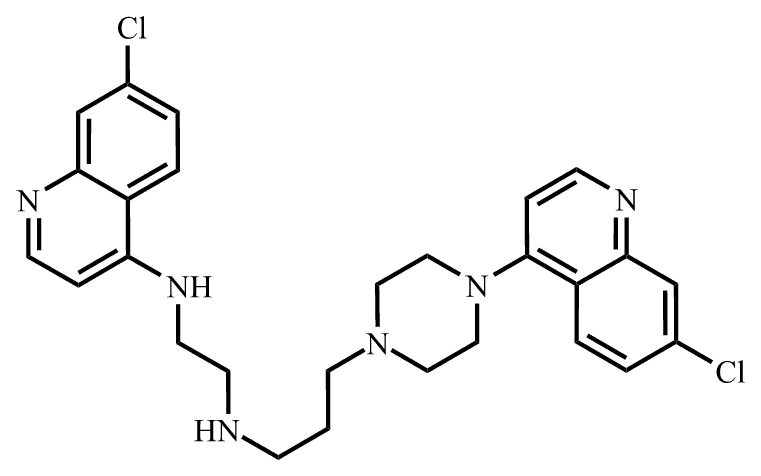
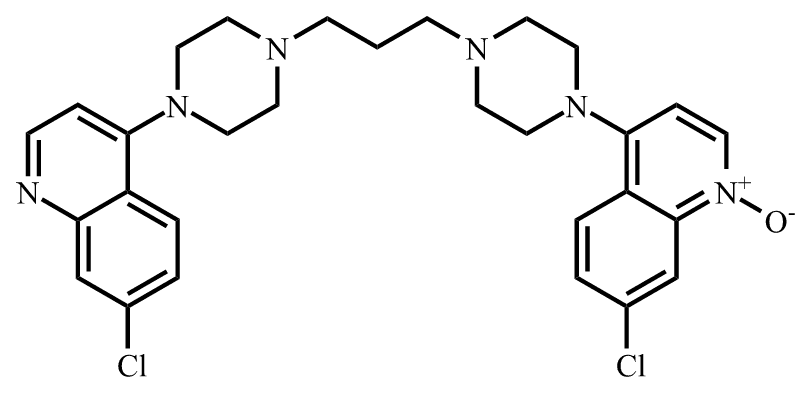
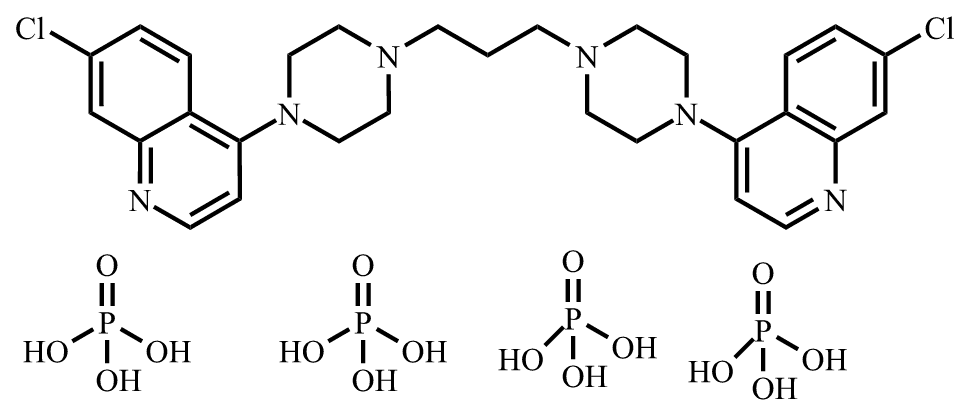
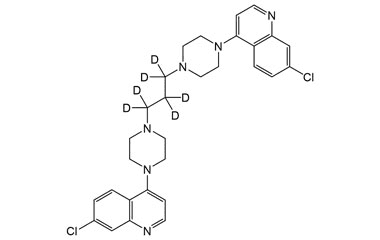
Piperaquine phosphate is a bisquinoline derivative antimalarial agent used to treat malaria infections, including those caused by multidrug-resistant Plasmodium strains. Pharmaceutical laboratories conducting quality control and regulatory testing require high-quality reference standards to ensure the consistency of the active pharmaceutical ingredient. This category provides a comprehensive collection of synthetic impurities, metabolic degradation products, and stable isotope labelled compounds essential for these analytical workflows. By utilizing these materials, researchers can perform precise impurity profiling to identify, quantify, and monitor trace contaminants during manufacturing and stability testing. Furthermore, stable isotope labelled versions serve as critical internal standards in liquid chromatography-mass spectrometry (LC-MS), allowing for accurate quantification and the mitigation of matrix effects during complex analytical method validation.

