India +91 94223 00020abhay@splendidlab.comISO 17034:2016 · GLP certified
Plastic additive compounds are essential organic substances utilized in polymer processing to modify physical properties such as flexibility, heat resistance, and long-term stability. This category encompasses… Read more
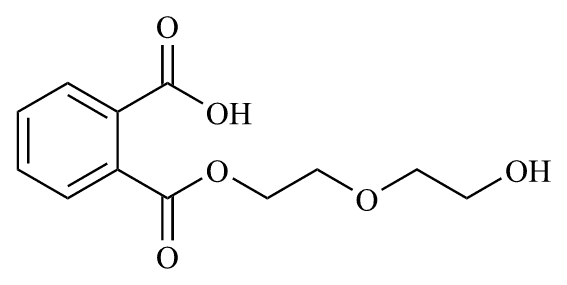
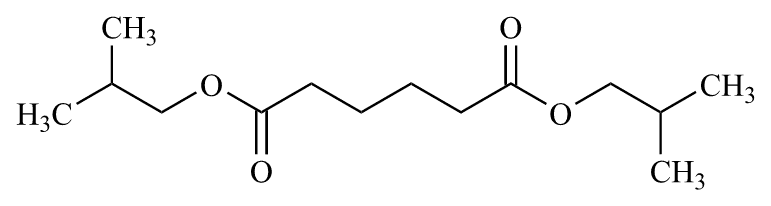

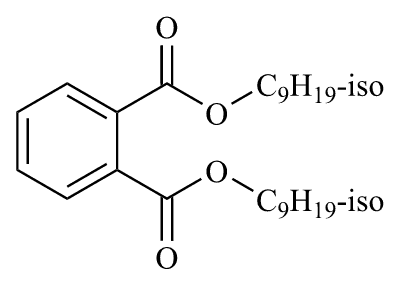
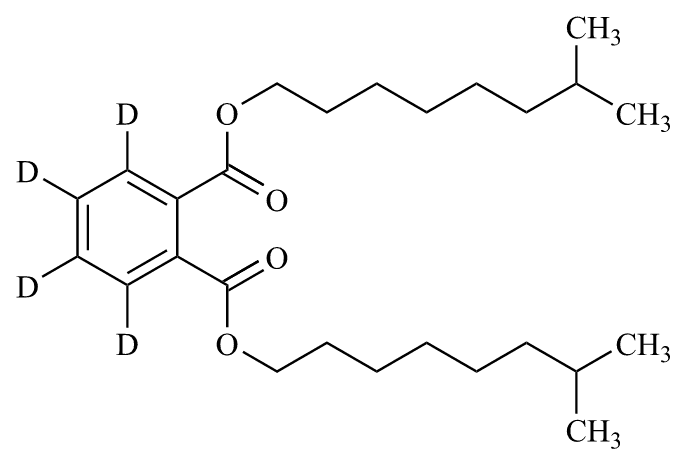

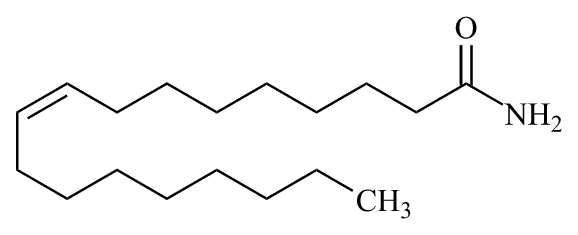
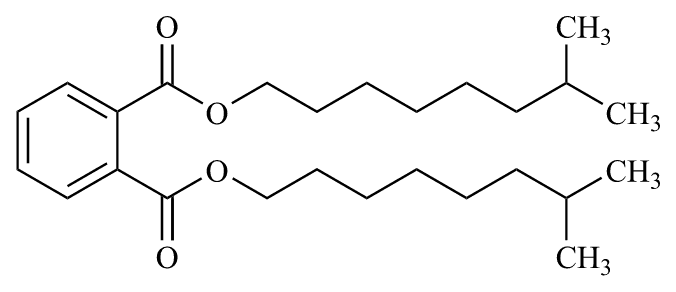


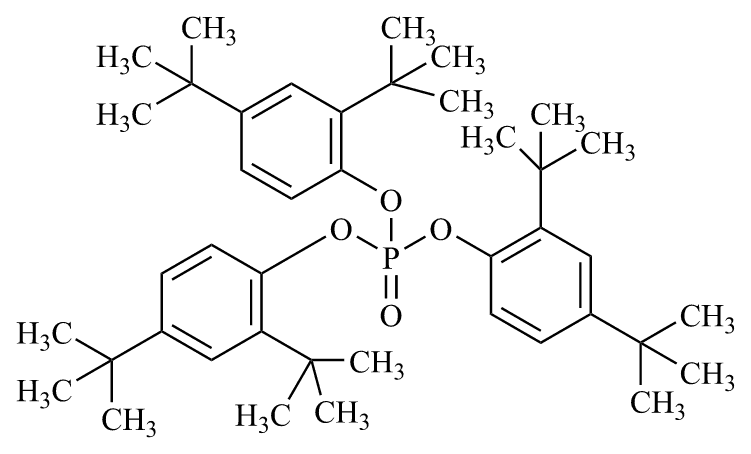
Plastic additive compounds are essential organic substances utilized in polymer processing to modify physical properties such as flexibility, heat resistance, and long-term stability. This category encompasses a variety of chemical agents, including phthalates, adipates, oleamides, and sulfur-based compounds that act as critical plasticizers or stabilizers in materials like PVC and polyethylene. Analytical laboratories utilize these high-quality reference standards, including stable isotope labelled compounds and deuterated analogs, to support rigorous impurity profiling, accurate quantification, and method validation. By providing precise standards for tracking migration or degradation, these materials enable consistent quality control during the testing of substances in both pharmaceutical packaging and industrial applications. Integrating these reference materials into testing protocols ensures the reliable detection of additive traces and the assessment of material safety throughout product development.

