India +91 94223 00020abhay@splendidlab.comISO 17034:2016 · GLP certified
Podophyllotoxin is a naturally occurring, non-alkaloid lignan classified as an antimitotic agent. It functions by destabilizing microtubules to inhibit cell division and is therapeutically indicated for… Read more

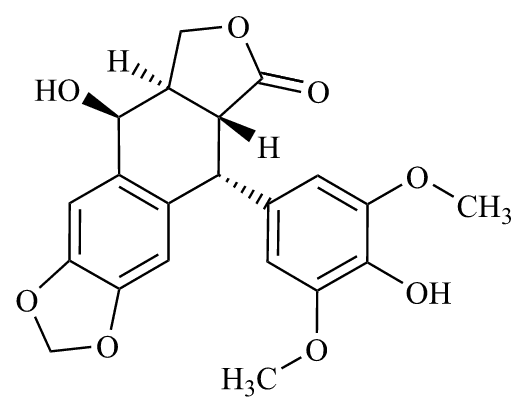
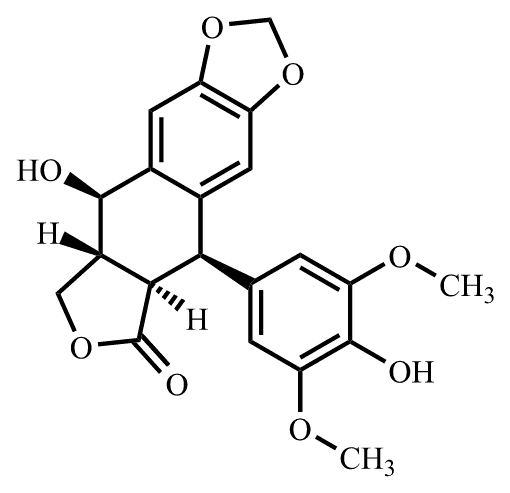
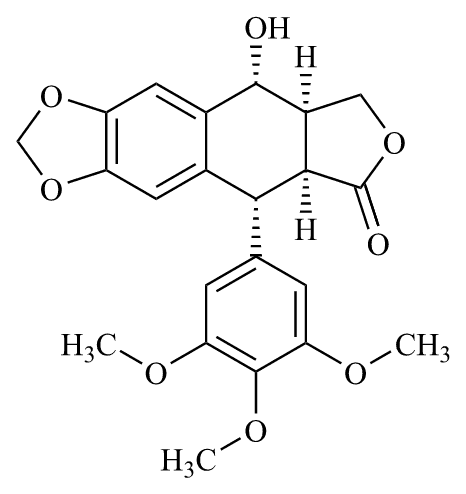
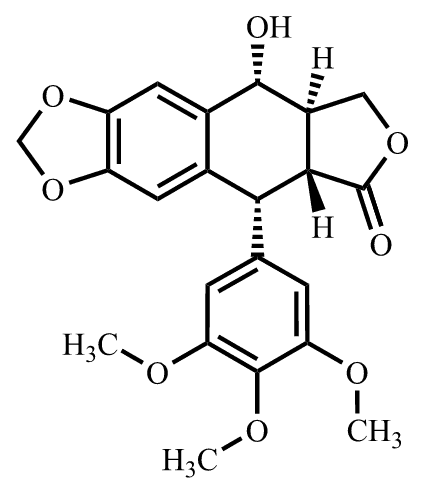
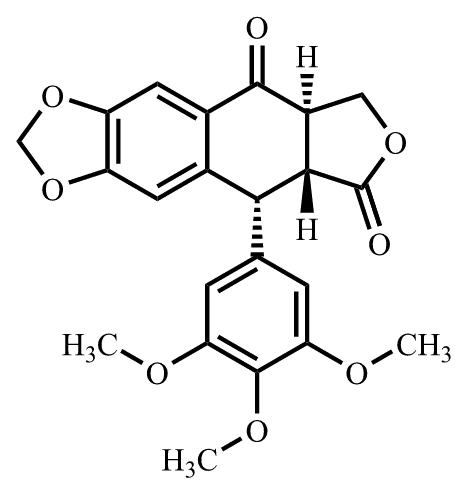
Podophyllotoxin is a naturally occurring, non-alkaloid lignan classified as an antimitotic agent. It functions by destabilizing microtubules to inhibit cell division and is therapeutically indicated for the topical treatment of conditions such as genital warts and molluscum contagiosum. Pharmaceutical laboratories require precise reference standards to support the quality control and regulatory compliance of this potent compound. This category provides comprehensive access to pharmacopeial and non-pharmacopeial impurities, which are vital for accurate impurity profiling and method validation throughout the drug development lifecycle. Additionally, stable isotope labelled versions are available to serve as internal standards in mass spectrometry workflows, allowing for highly accurate quantification. By utilizing these characterized reference materials and system suitability standards, laboratories can ensure the integrity and reproducibility of analytical testing for both the parent drug and its related substances.

