India +91 94223 00020abhay@splendidlab.comISO 17034:2016 · GLP certified
Polyunsaturated fatty acid (PUFA) refers to a class of essential lipids containing multiple double bonds along their hydrocarbon chains, which are critical for maintaining membrane structure, cellular… Read more
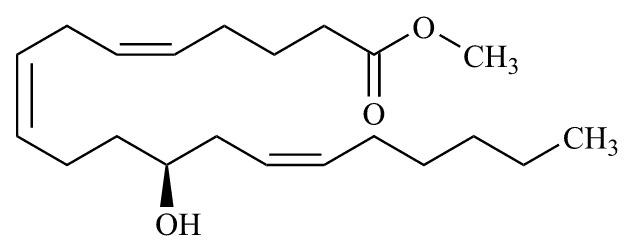
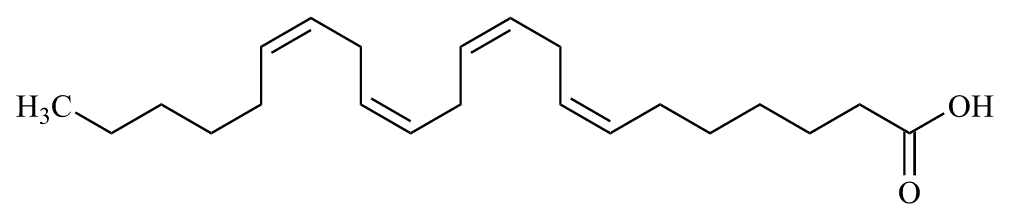
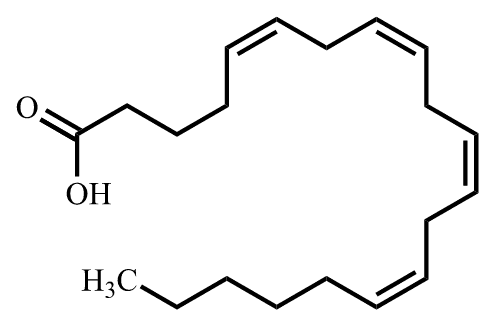
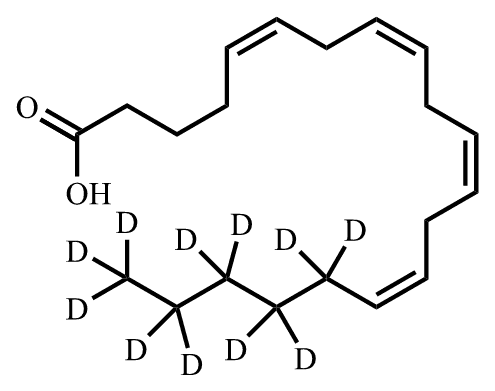
Polyunsaturated fatty acid (PUFA) refers to a class of essential lipids containing multiple double bonds along their hydrocarbon chains, which are critical for maintaining membrane structure, cellular signaling, and the synthesis of bioactive eicosanoids. In pharmaceutical and nutritional research, laboratories rely on these compounds for precise analytical testing and method validation. High-quality reference standards are essential for characterizing these fatty acids, particularly when performing complex impurity profiling to ensure product stability and safety. Furthermore, stable isotope labelled compounds, such as deuterium or 13C-labelled analogs, serve as critical internal standards in mass spectrometry and NMR analysis to accurately quantify endogenous levels and map metabolic pathways. By utilizing these materials, researchers can effectively investigate lipid metabolism, oxidative stress, and the role of fatty acid derivatives in inflammation, ensuring rigorous quality control in both therapeutic product development and clinical diagnostic assays.