India +91 94223 00020abhay@splendidlab.comISO 17034:2016 · GLP certified
Propranolol is a non-selective beta-adrenergic receptor antagonist widely used for the management of hypertension, angina, cardiac arrhythmias, and migraine prophylaxis. To ensure therapeutic efficacy… Read more


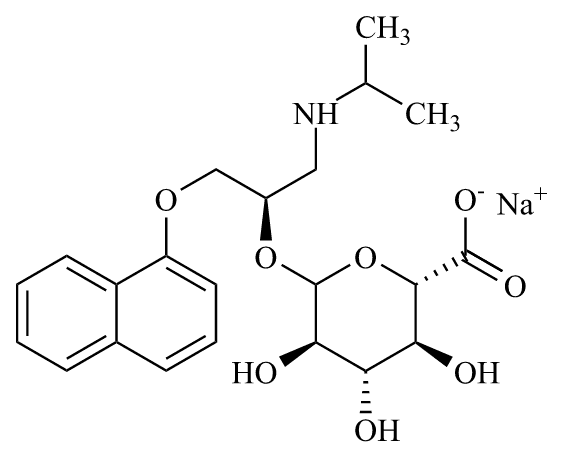

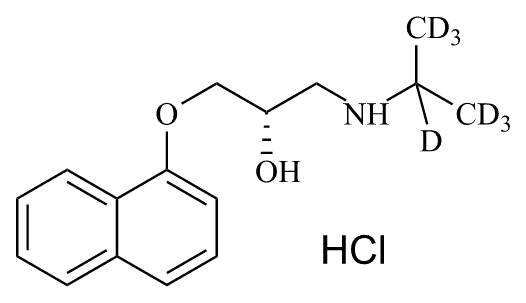

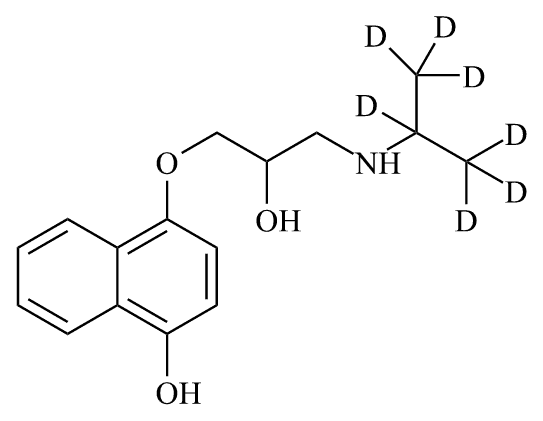

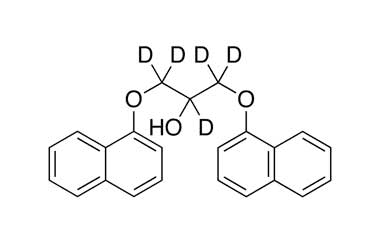
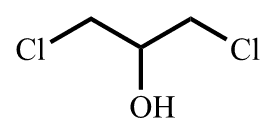

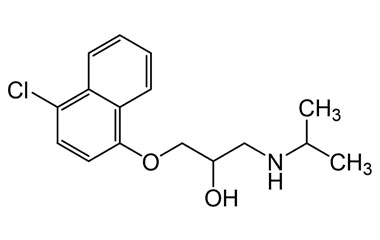
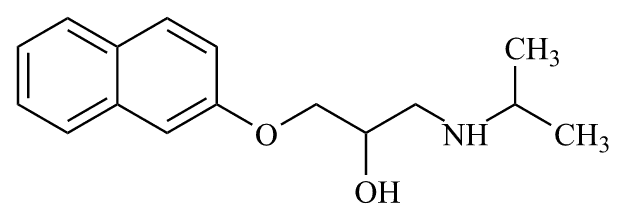

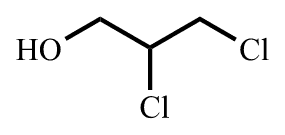
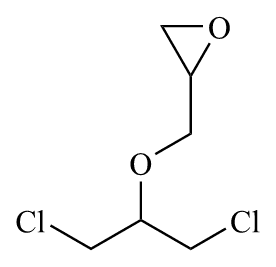
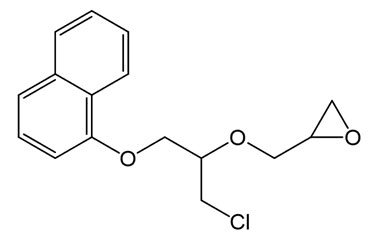
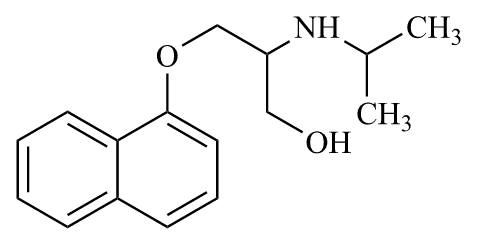
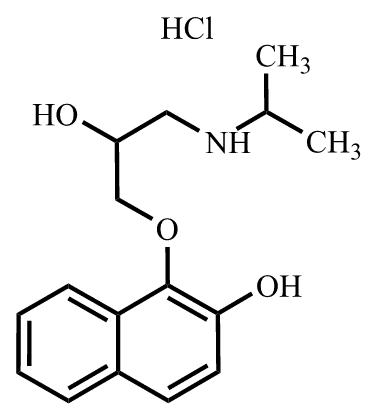
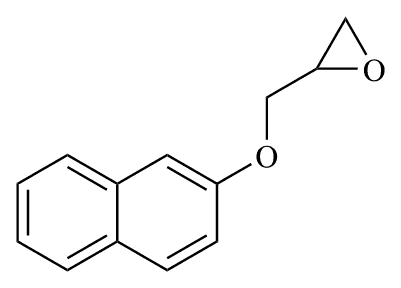
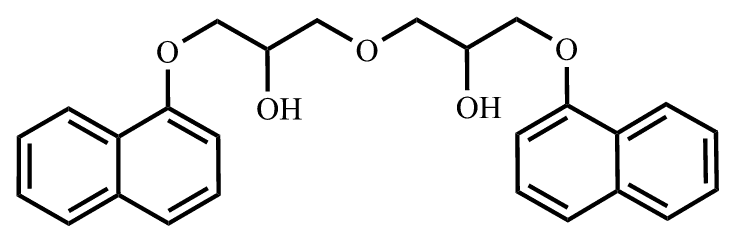
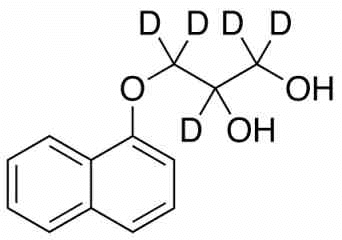
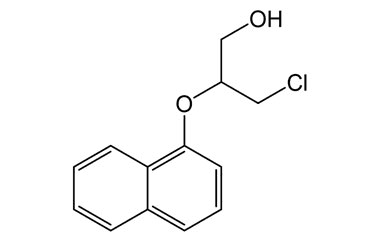
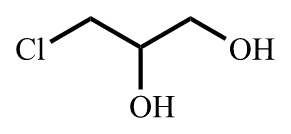
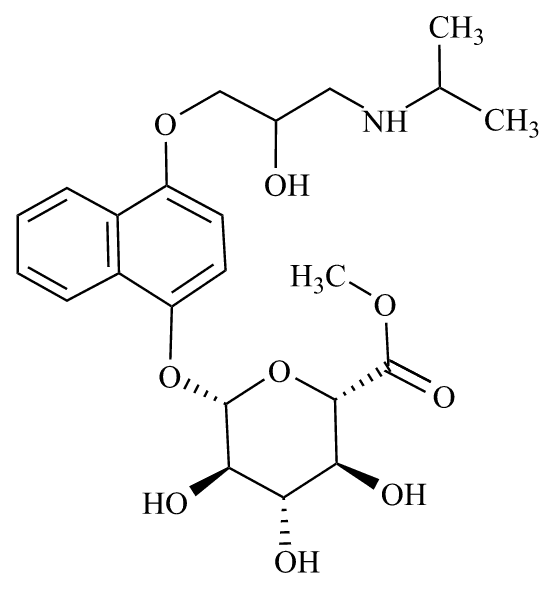
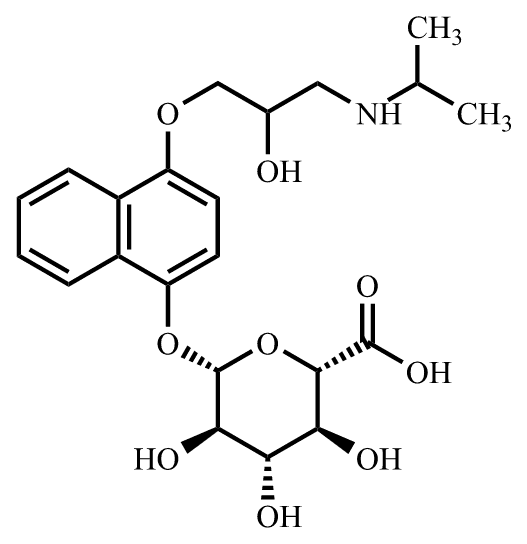
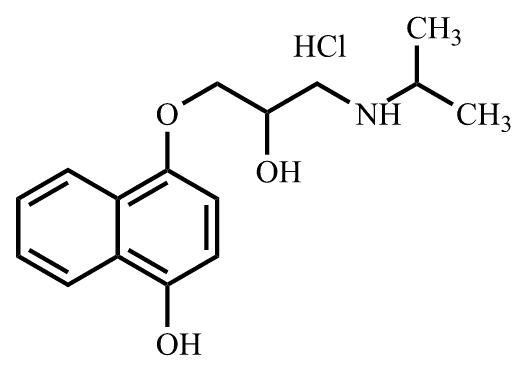

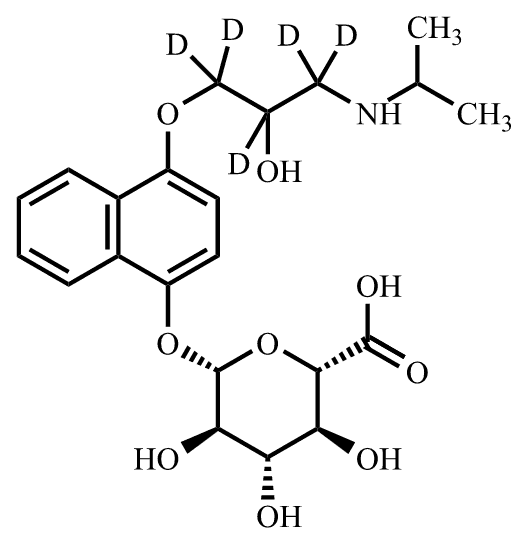
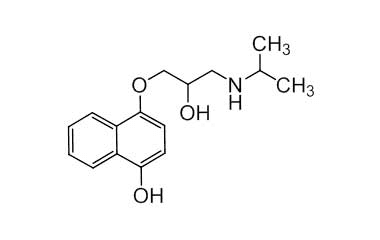
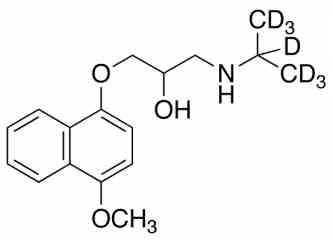
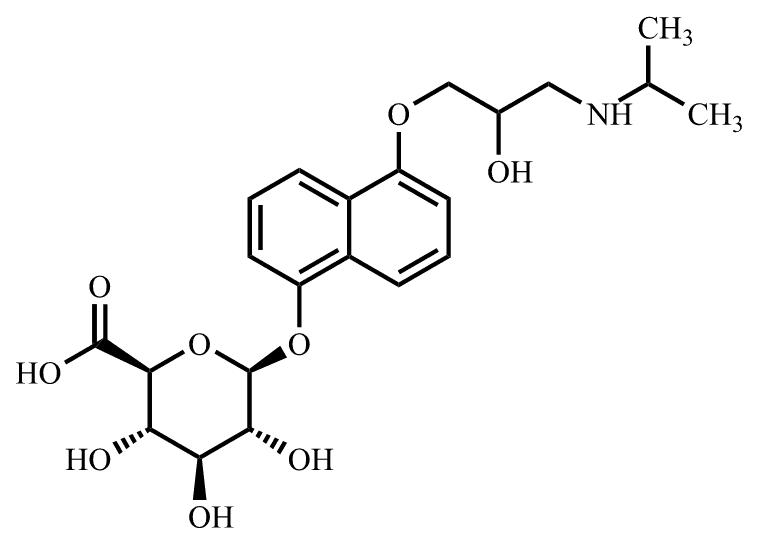
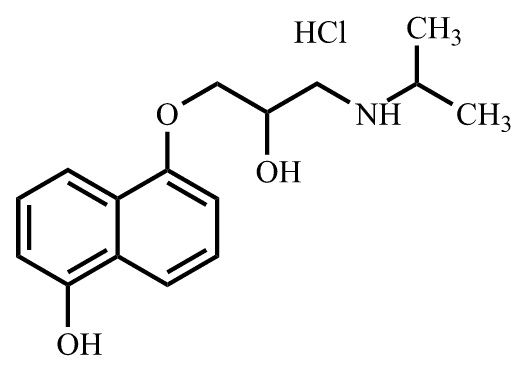
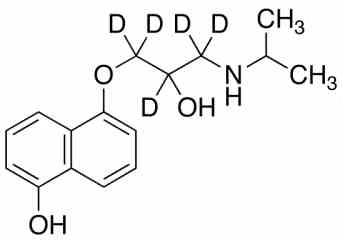
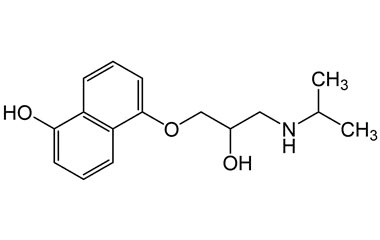
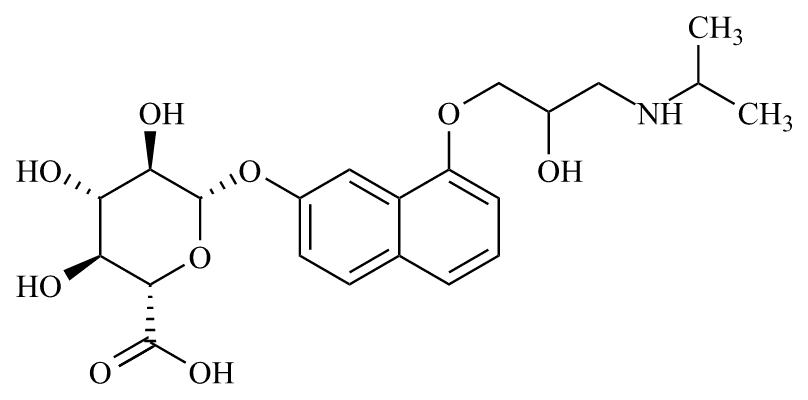
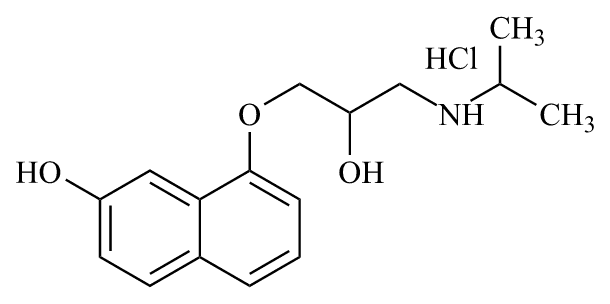
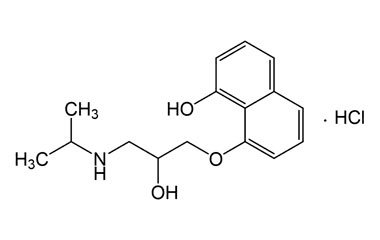
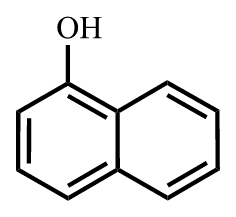
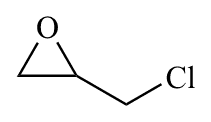
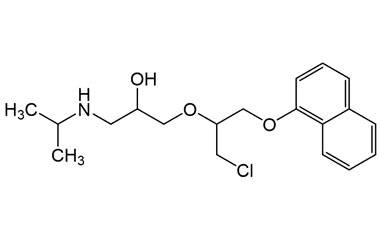
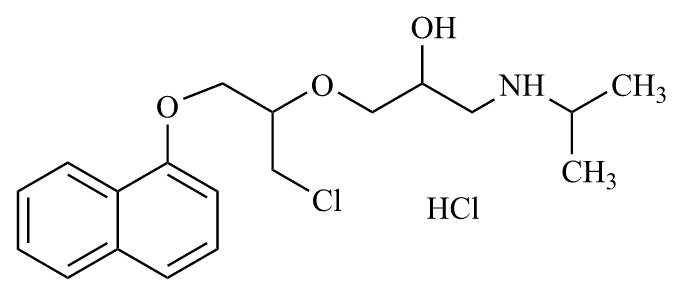
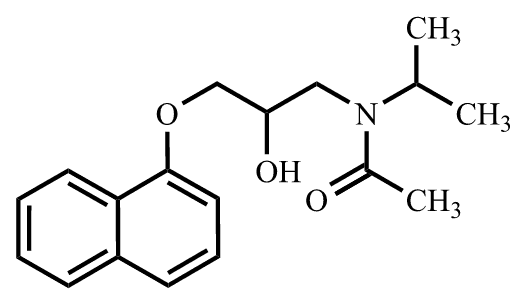
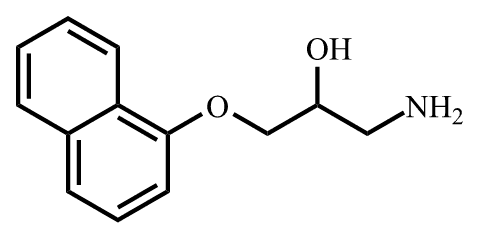

Propranolol is a non-selective beta-adrenergic receptor antagonist widely used for the management of hypertension, angina, cardiac arrhythmias, and migraine prophylaxis. To ensure therapeutic efficacy and regulatory compliance, pharmaceutical laboratories require high-quality reference standards of the active ingredient, along with its associated impurities and metabolites. These compounds are essential for rigorous impurity profiling, enabling the identification and quantification of process-related substances and degradation products that may arise during synthesis or storage. Furthermore, stable isotope labelled compounds are indispensable tools for mass spectrometry-based analytical testing, providing accurate internal standards for pharmacokinetic studies and method validation. By utilizing these characterized reference materials, laboratories can maintain stringent quality control standards, ensuring the safety and consistency of the drug substance throughout the entire development and manufacturing lifecycle.

