India +91 94223 00020abhay@splendidlab.comISO 17034:2016 · GLP certified
Propylene glycol is a versatile synthetic polyol used extensively in the pharmaceutical industry as a solvent, humectant, and vehicle to improve the solubility and stability of oral and topical formulations.… Read more


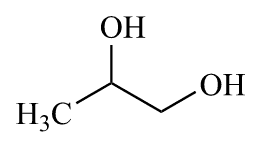
Propylene glycol is a versatile synthetic polyol used extensively in the pharmaceutical industry as a solvent, humectant, and vehicle to improve the solubility and stability of oral and topical formulations. This category provides a comprehensive selection of reference standards, including the parent compound for identification purposes, as well as related impurities, metabolites, and stable isotope labelled compounds. Analytical laboratories rely on these high-purity materials for rigorous impurity profiling, method validation, and routine quality control procedures to ensure the safety and efficacy of final drug products. By utilizing these materials, researchers can accurately quantify potential degradation products and monitor residual levels within complex pharmaceutical matrices. These reference materials provide the essential technical support necessary for maintaining precision in analytical chemistry and verifying compliance with pharmacopeial standards across a variety of testing environments.

