India +91 94223 00020abhay@splendidlab.comISO 17034:2016 · GLP certified
Pyrazole refers to a diverse class of five-membered heterocyclic compounds containing two adjacent nitrogen atoms, widely recognized for their significance in medicinal chemistry and the synthesis of agrochemicals.… Read more
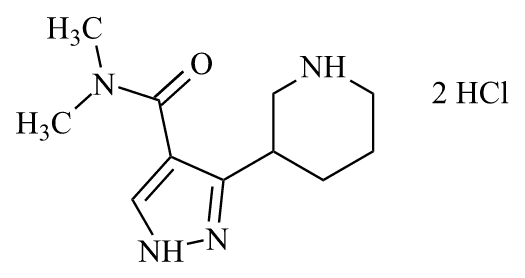
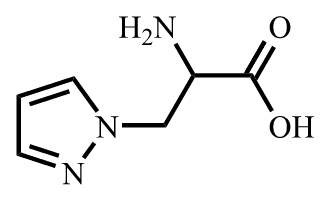
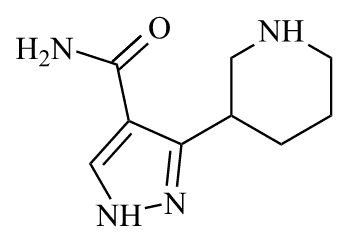

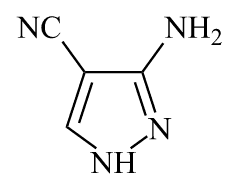
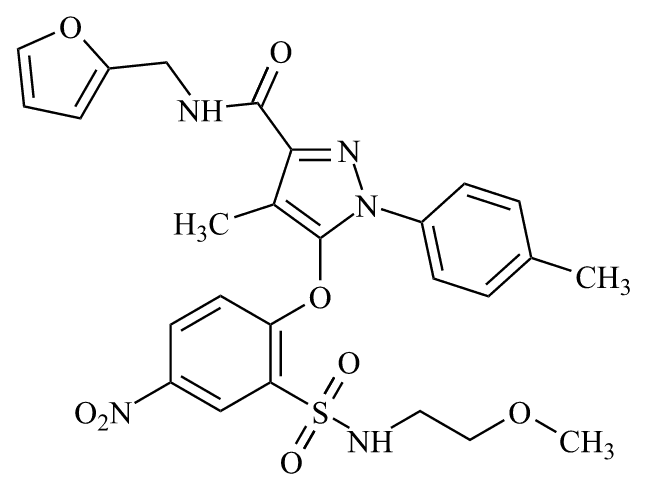
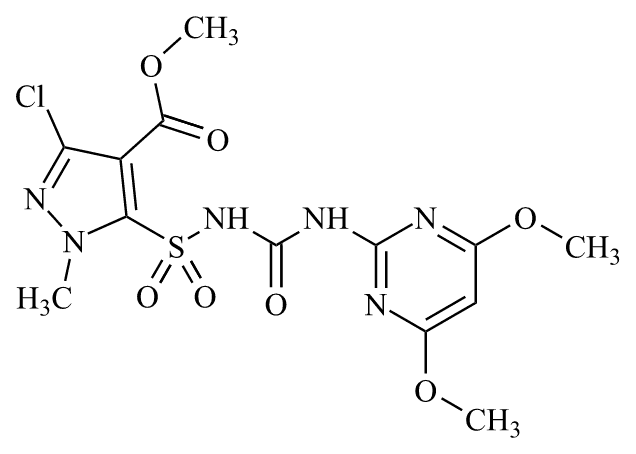
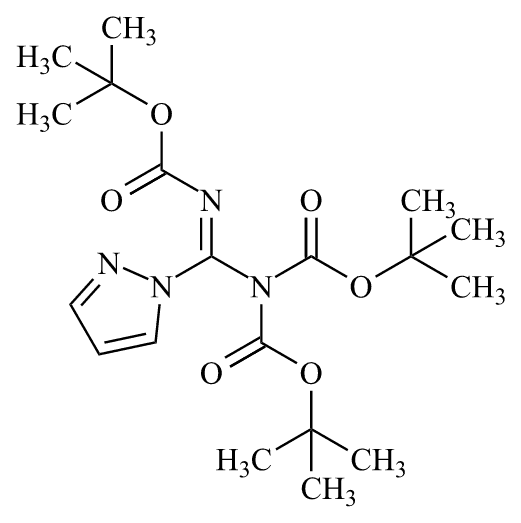

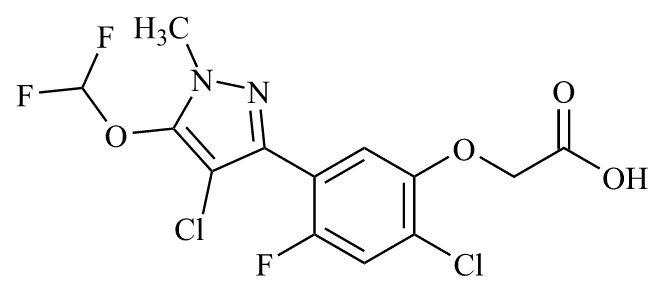
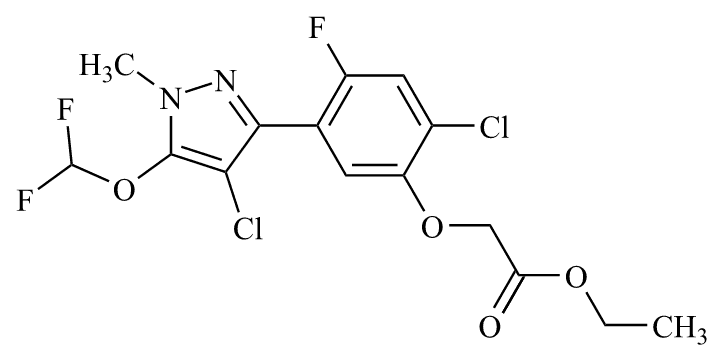
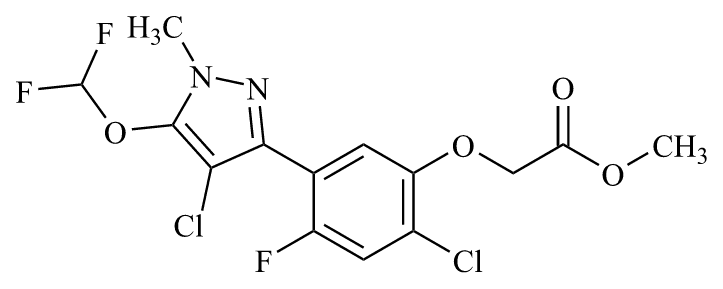
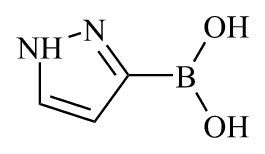

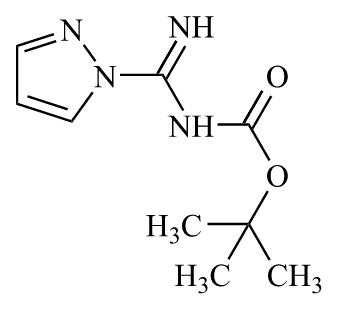
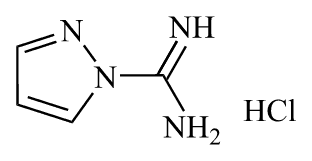
Pyrazole refers to a diverse class of five-membered heterocyclic compounds containing two adjacent nitrogen atoms, widely recognized for their significance in medicinal chemistry and the synthesis of agrochemicals. Derivatives within this category function as critical intermediates, active pharmaceutical ingredients, and selective herbicides, such as pyraflufen and halosulfuron-methyl, used for weed control in various crops. Laboratories utilize this collection of pyrazole-based reference standards, synthetic impurities, metabolites, and stable isotope-labelled compounds to support rigorous analytical testing and method validation. By providing consistent materials for impurity profiling and structural characterization, these high-quality compounds enable precise quality control throughout the development and manufacturing processes of pyrazole-derived pharmaceuticals and agrochemical products. Researchers rely on these specialized materials to ensure accuracy in quantitative analysis and to meet regulatory compliance standards in complex chemical matrices.

