India +91 94223 00020abhay@splendidlab.comISO 17034:2016 · GLP certified
Pyridoxine is an essential water-soluble B6 vitamin primarily used as a nutritional supplement and as a therapeutic agent to prevent or manage peripheral neuropathy and other neurological conditions. This… Read more

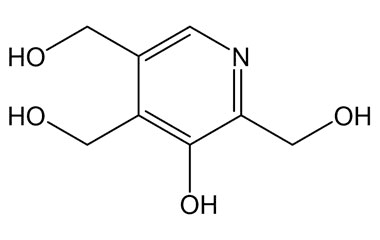
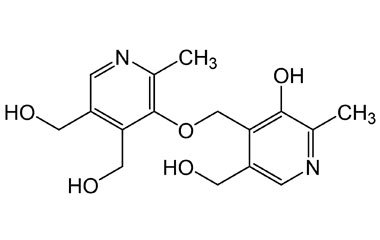
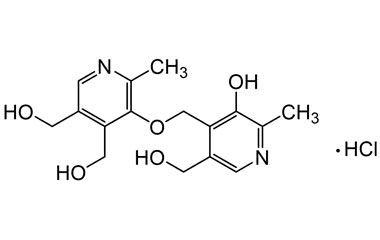
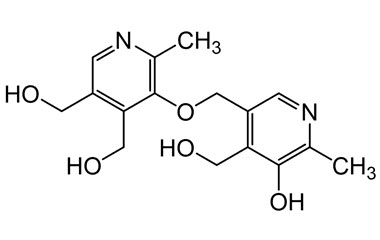
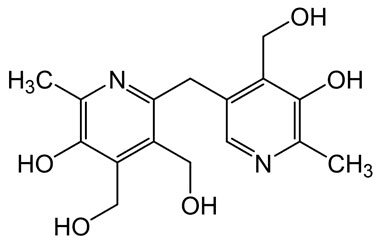
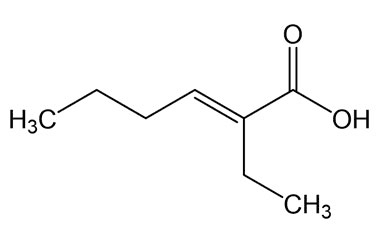
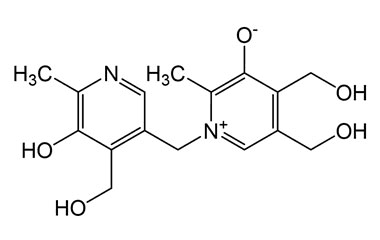
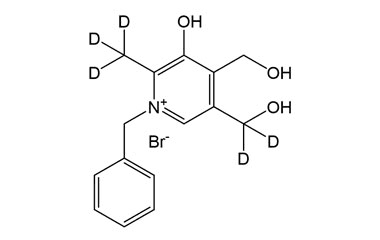

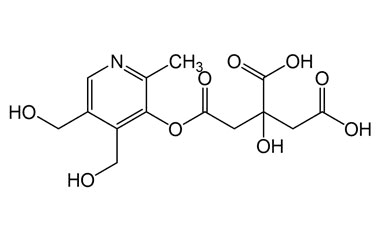
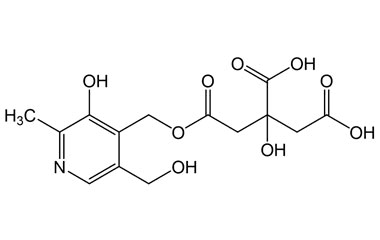
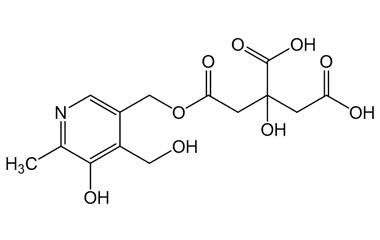
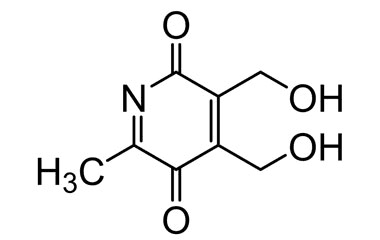
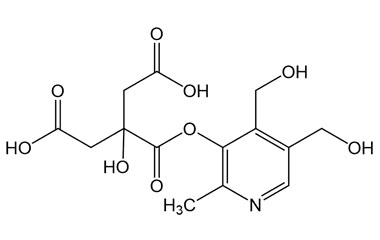
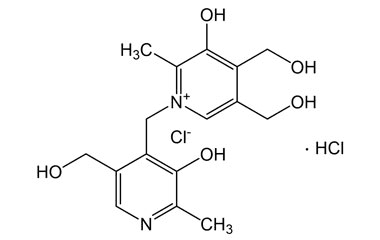
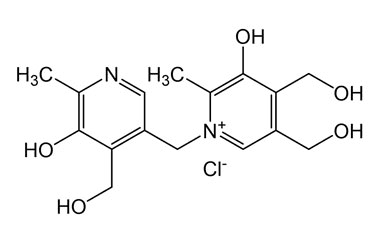
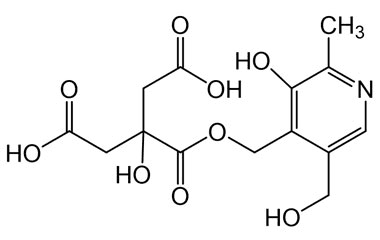
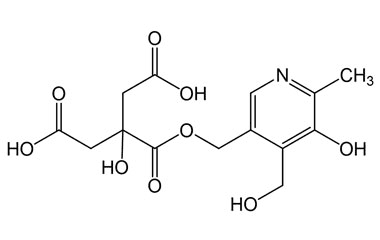
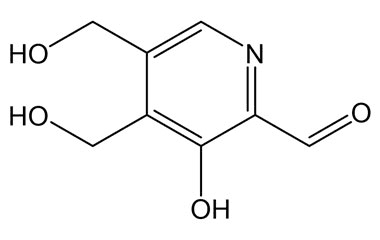
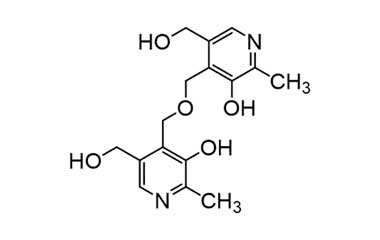
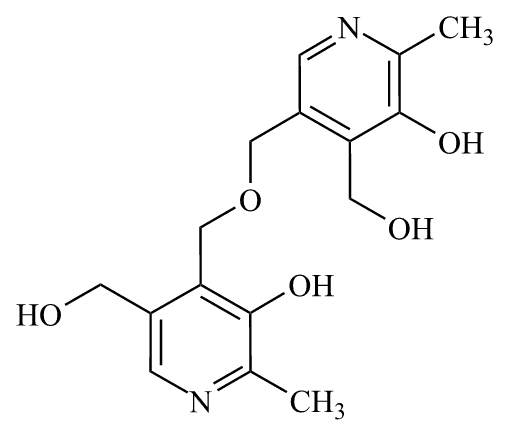
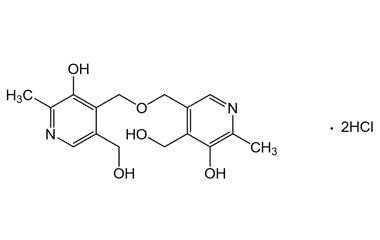
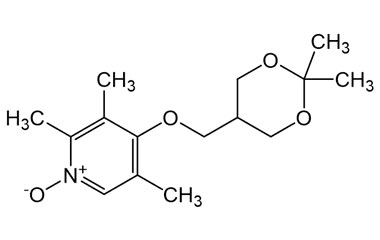
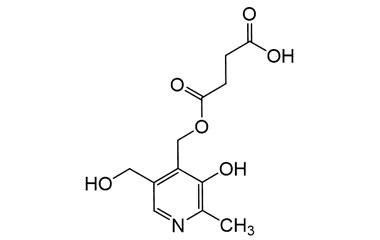
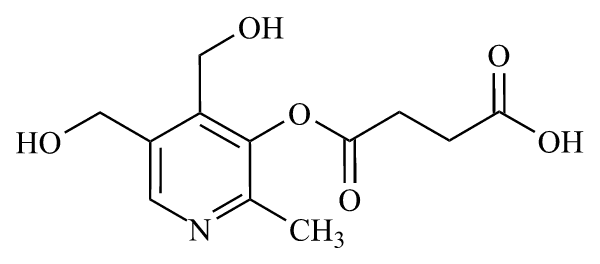
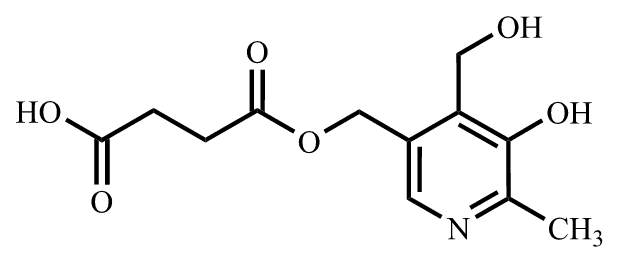
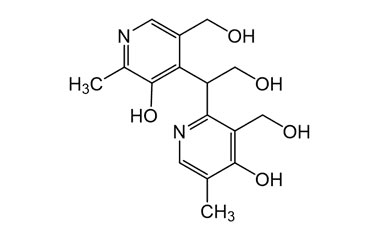
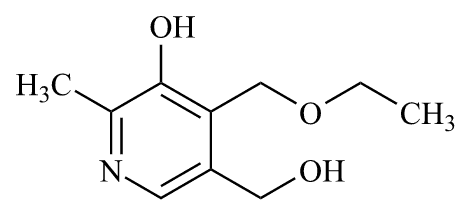
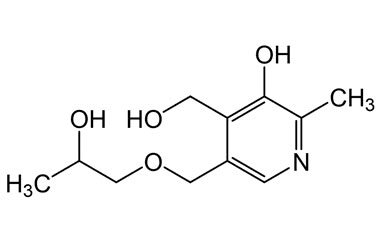
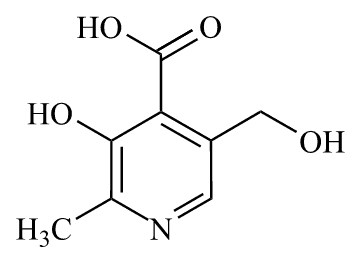
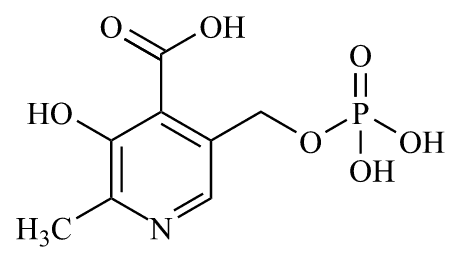
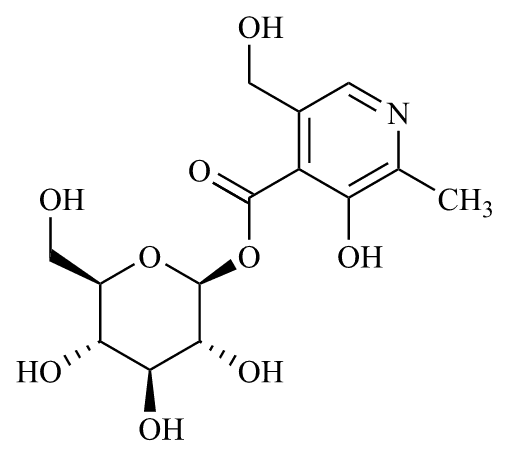
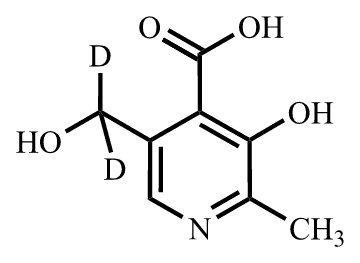
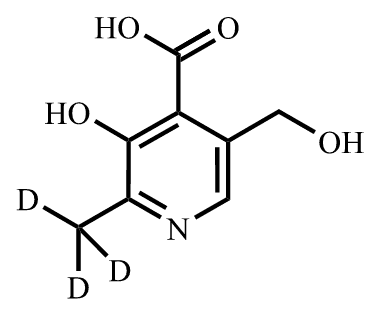

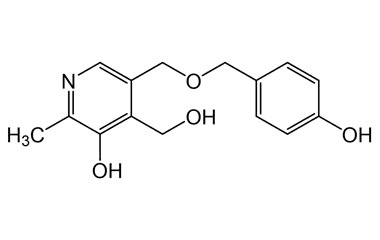
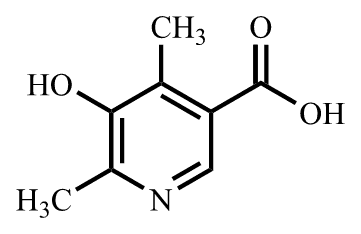
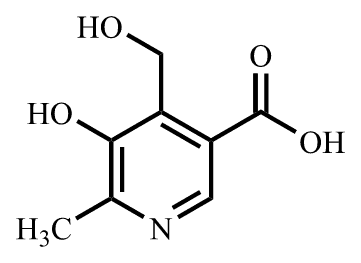
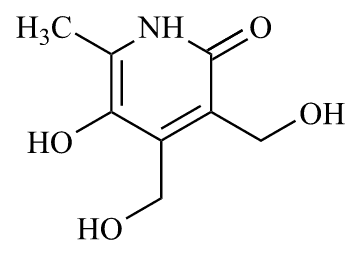

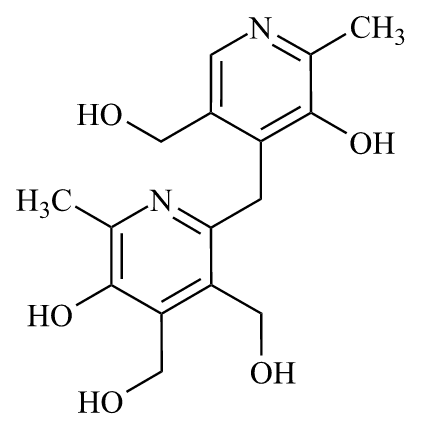
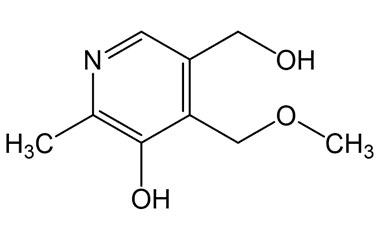
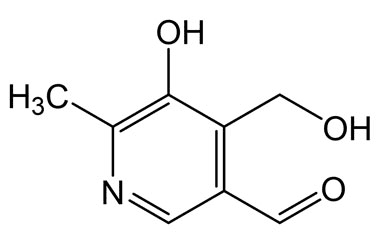
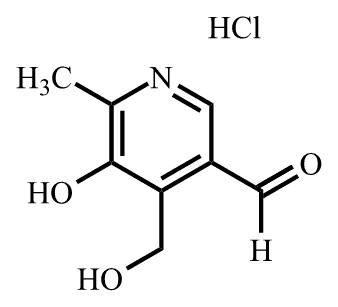
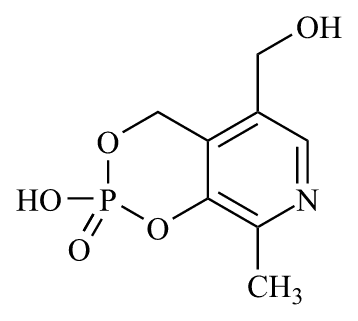
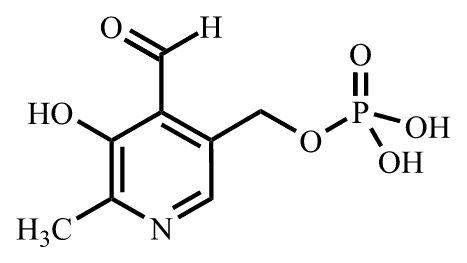
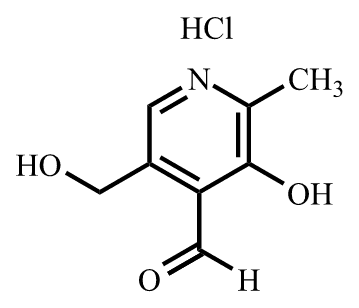

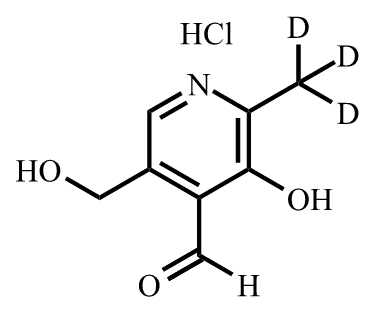
Pyridoxine is an essential water-soluble B6 vitamin primarily used as a nutritional supplement and as a therapeutic agent to prevent or manage peripheral neuropathy and other neurological conditions. This category provides essential reference standards required for the rigorous quality control and analytical testing of the parent drug. Pharmaceutical laboratories utilize these compounds, including pharmacopeial and non-pharmacopeial impurities, to perform comprehensive impurity profiling and validate analytical methods. The collection features degradation products, structural analogs, and stable isotope labelled versions of the vitamin, which are indispensable as internal standards in quantitative mass spectrometry workflows. By monitoring these specific markers, researchers can effectively characterize degradation pathways and ensure that therapeutic formulations maintain their required potency and safety profiles according to regulatory standards. These materials support the precise identification and quantification of impurities throughout the product lifecycle, facilitating robust method validation and compliance across global pharmaceutical development and production environments.

