India +91 94223 00020abhay@splendidlab.comISO 17034:2016 · GLP certified
Pyrrolobenzodiazepine refers to a class of potent tricyclic compounds known for their unique ability to bind to the minor groove of DNA, which has made them significant subjects of research in oncology,… Read more

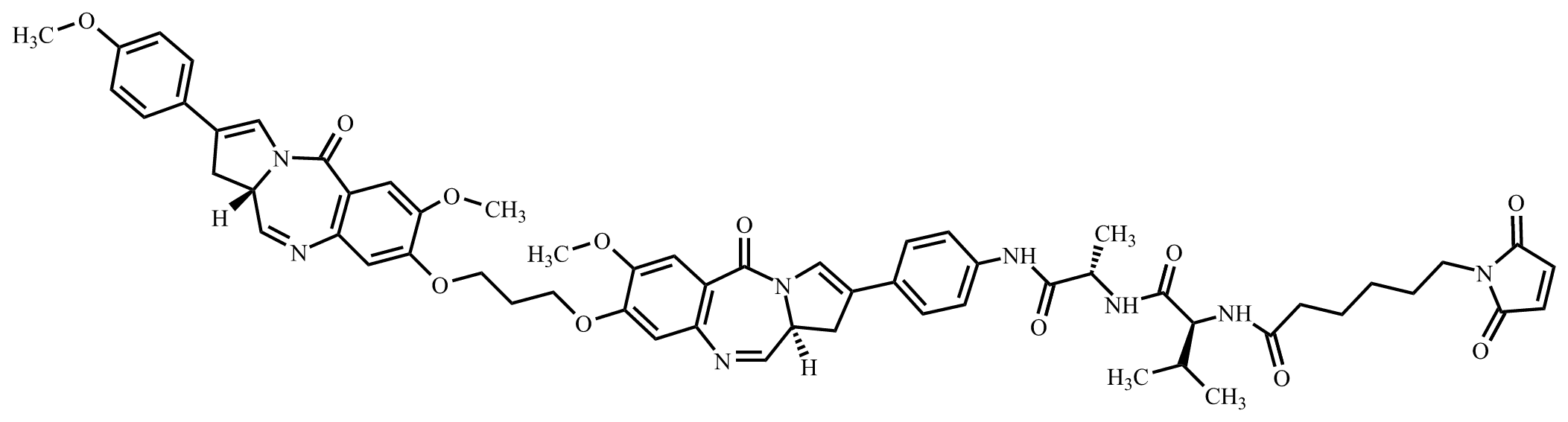

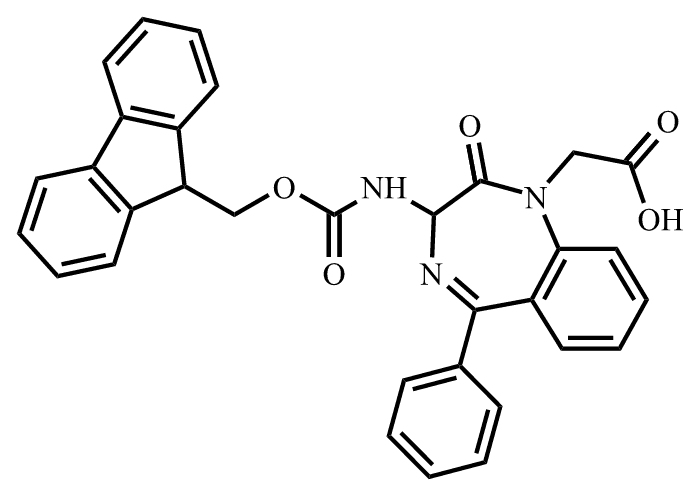
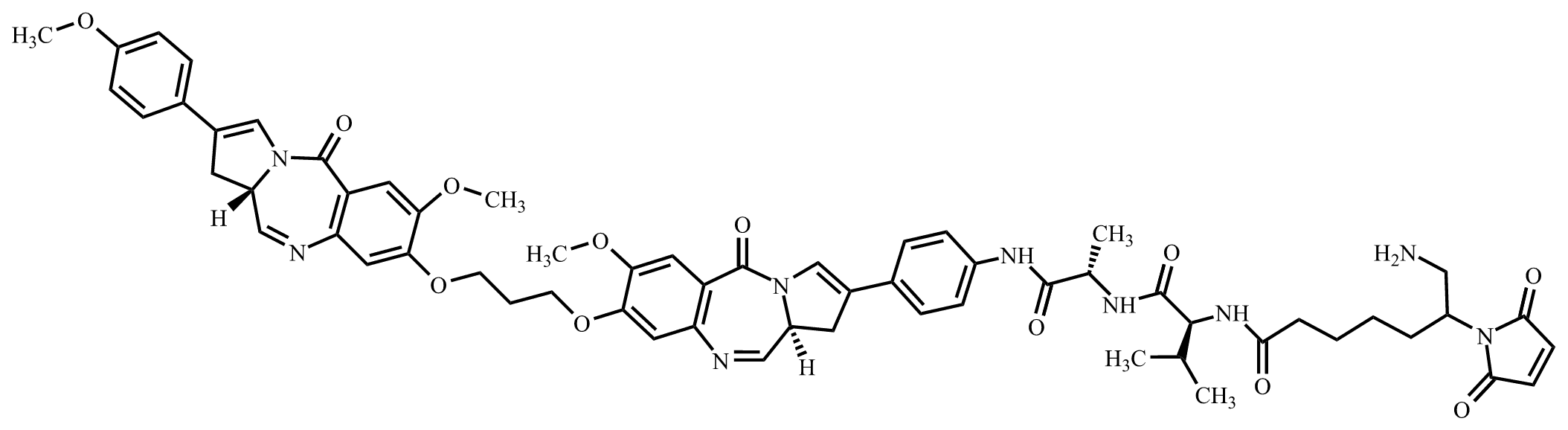
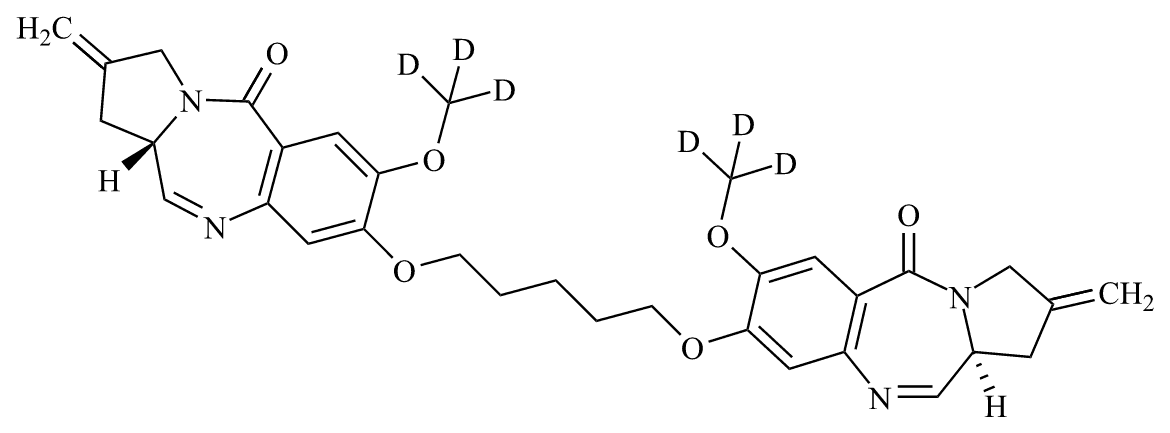

Pyrrolobenzodiazepine refers to a class of potent tricyclic compounds known for their unique ability to bind to the minor groove of DNA, which has made them significant subjects of research in oncology, particularly as payloads for antibody-drug conjugates. This category includes essential reference standards, such as specific metabolites like Tomaymycin DM, related process impurities, and stable isotope labelled compounds like SG 2057-d6. Pharmaceutical laboratories and research organizations utilize these materials for rigorous impurity profiling, method validation, and structural characterization throughout the development process. By providing high-quality standards for analytical testing, these compounds allow chemists to accurately identify and quantify trace substances within complex formulations, ensuring the reliability of stability studies and quality control protocols. These reference materials are critical for verifying the integrity of drug candidates and supporting the analytical requirements of advanced medicinal chemistry workflows.

