India +91 94223 00020abhay@splendidlab.comISO 17034:2016 · GLP certified
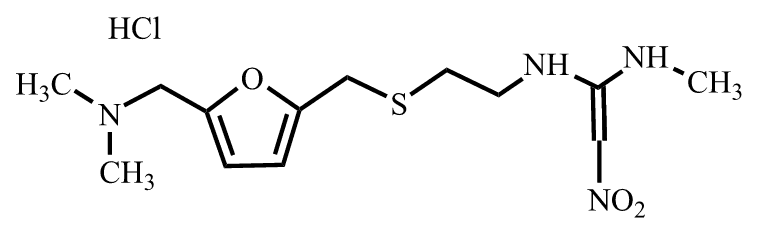
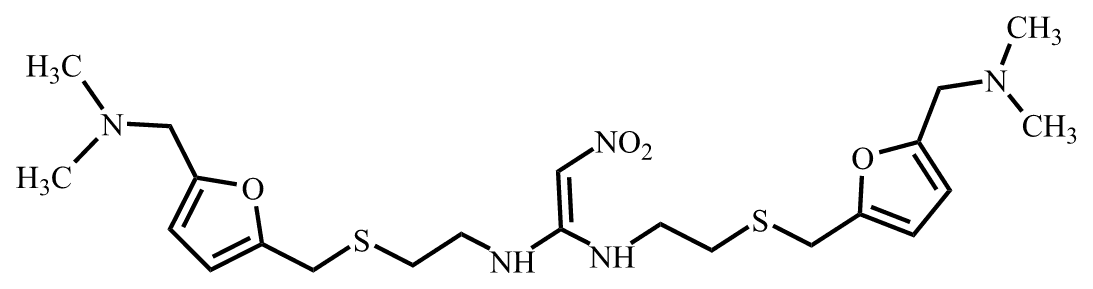
Ranitidine hydrochloride is an H2 histamine receptor antagonist commonly utilized in the management of peptic ulcer disease and gastroesophageal reflux disease by reducing gastric acid secretion. Analytical… Read more
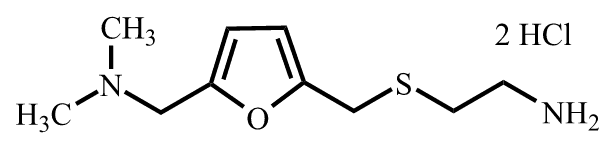
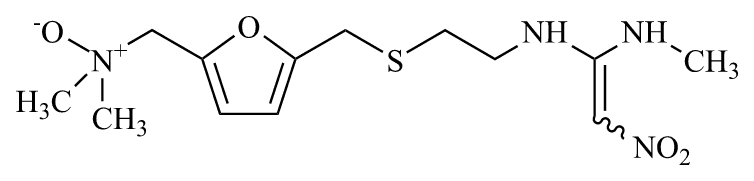
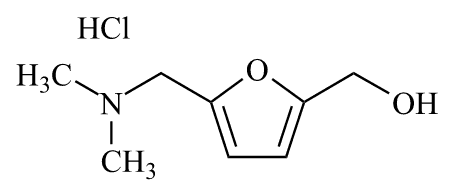
Ranitidine hydrochloride is an H2 histamine receptor antagonist commonly utilized in the management of peptic ulcer disease and gastroesophageal reflux disease by reducing gastric acid secretion. Analytical laboratories rely on high-quality reference standards for this active pharmaceutical ingredient to support comprehensive product testing and safety assessments. This category includes a broad array of pharmacopeial and non-pharmacopeial impurities, metabolites, and stable isotope labelled compounds crucial for advanced analytical workflows. These materials are essential for accurate impurity profiling, method validation, and consistent quality control, enabling researchers to precisely identify and quantify degradation products or process-related substances. By incorporating these standardized compounds into their analytical protocols, pharmaceutical scientists can ensure the reliability of their data and maintain compliance with regulatory standards throughout the development and manufacturing lifecycle.