India +91 94223 00020abhay@splendidlab.comISO 17034:2016 · GLP certified
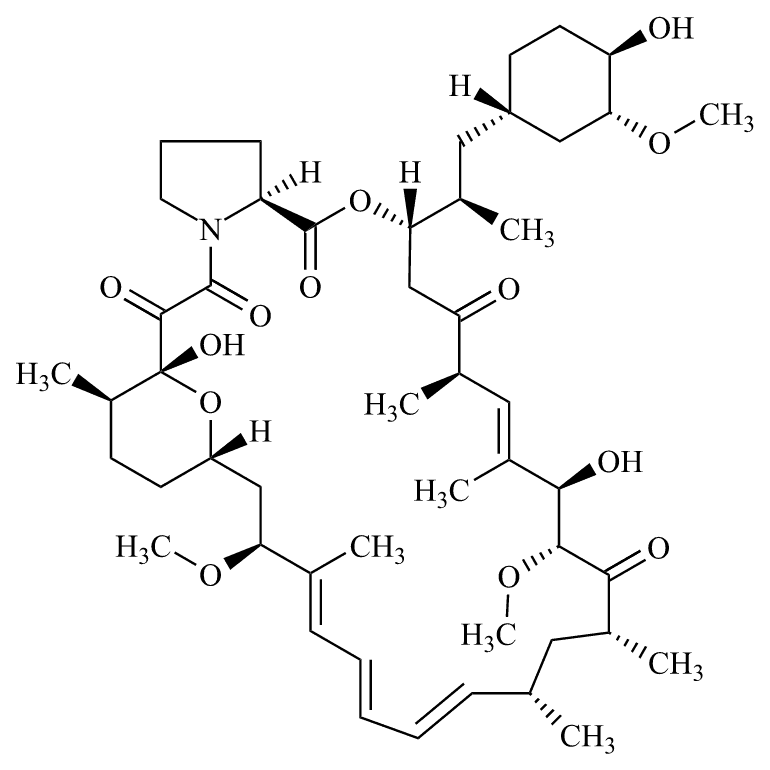
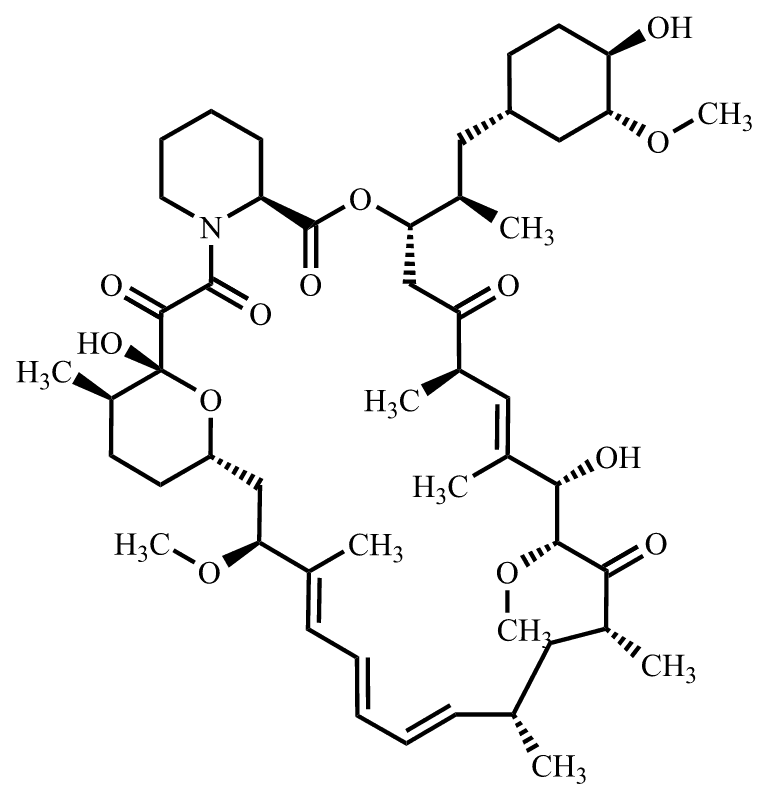
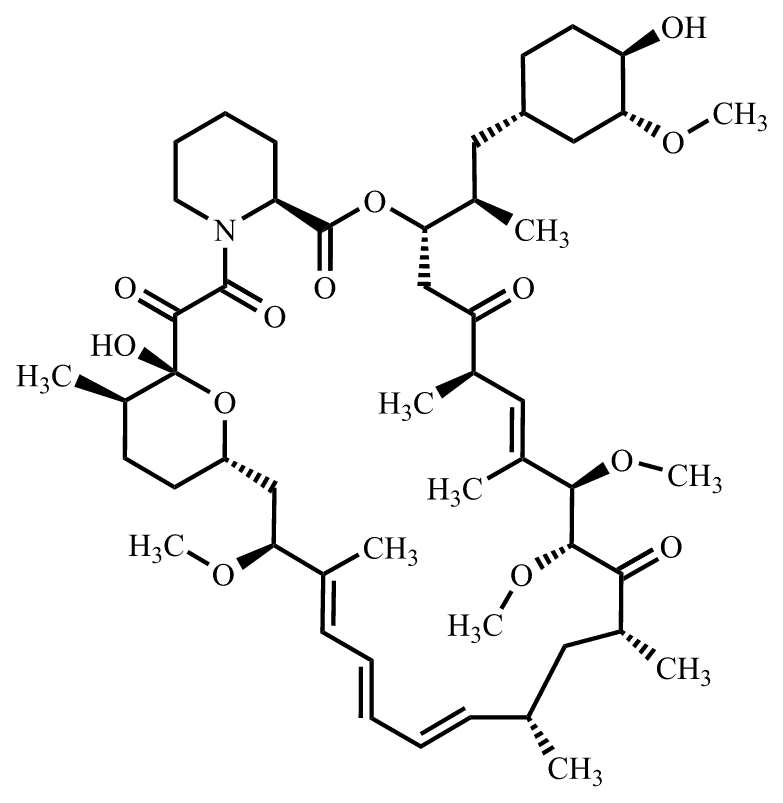
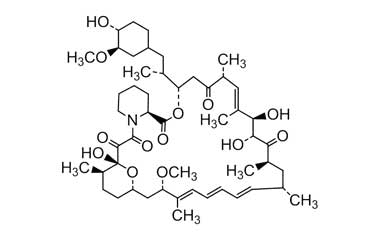
Rapamycin, also known as sirolimus, is a macrocyclic lactone immunosuppressant that functions as an mTOR inhibitor to prevent organ transplant rejection and treat conditions such as lymphangioleiomyomatosis.… Read more

![Chemical structure of 42-O-[2-[[Hydroxy[2-(trimethylammonio)ethoxy]phosphinyl]oxy]ethyl] Rapamycin Inner Salt](/_next/image?url=https%3A%2F%2Fassets.splendidlab.com%2F1062645-51-5-42-O-2-Hydroxy2-trimethylammonioethoxyphosphinyloxyethyl-Rapamycin-Inner-Salt.png&w=3840&q=75)
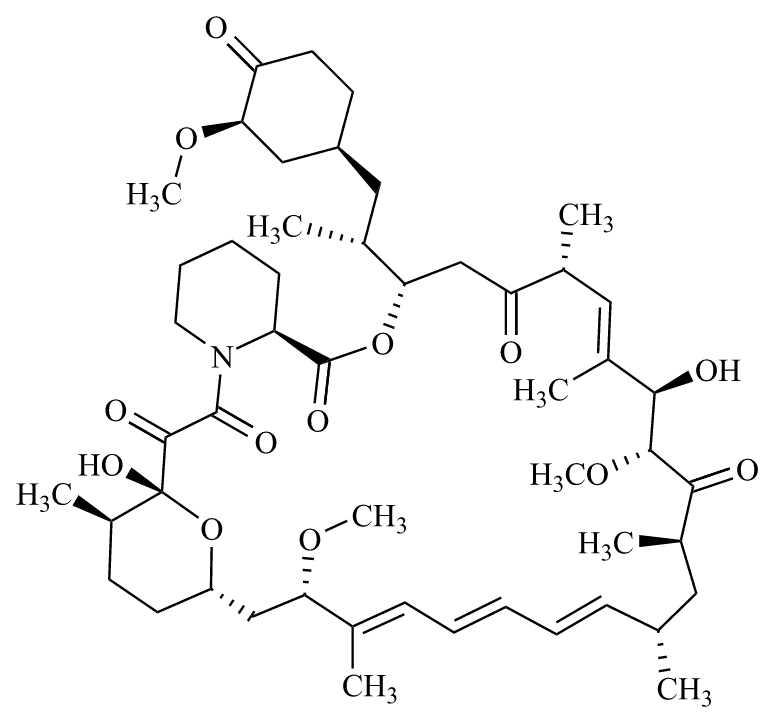

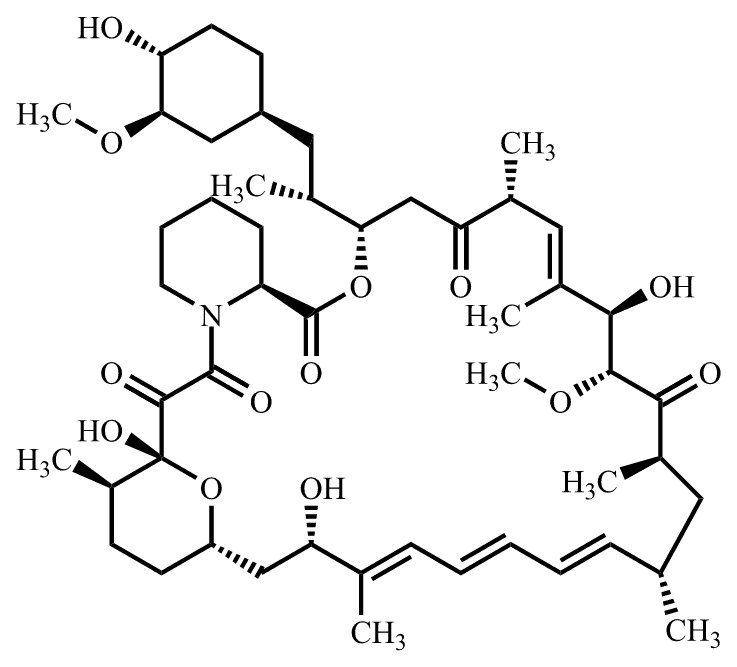
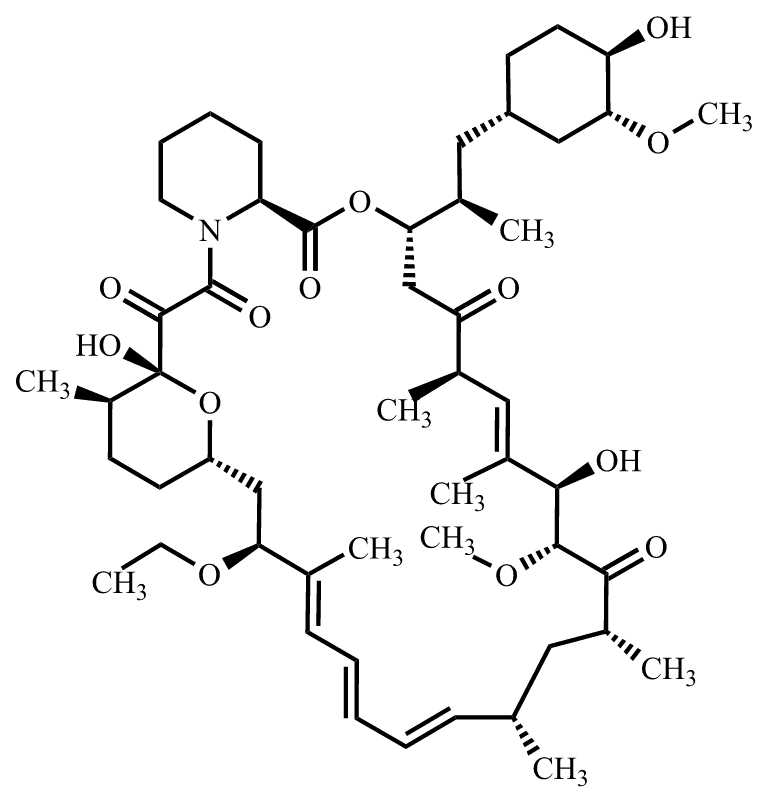
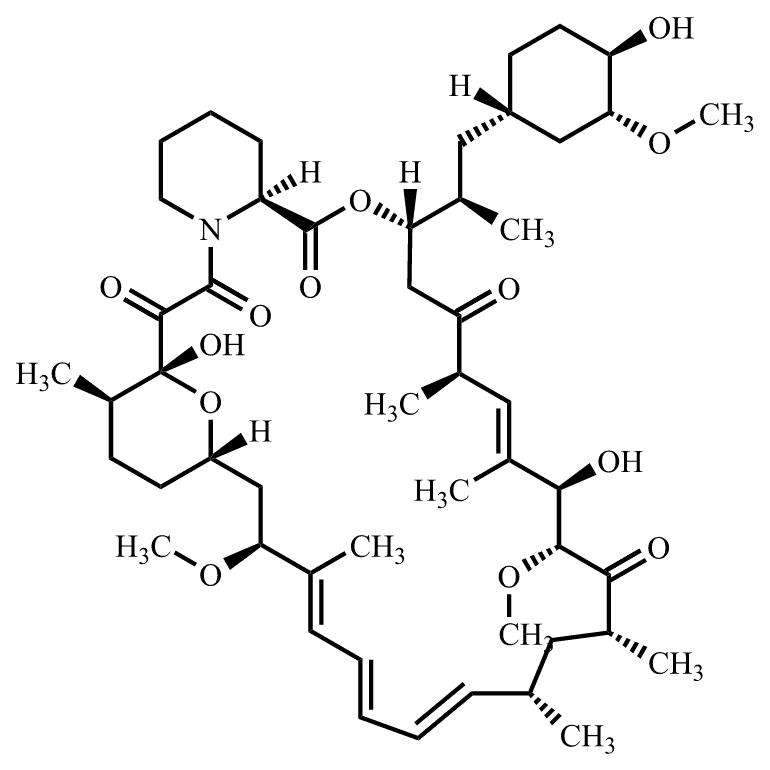
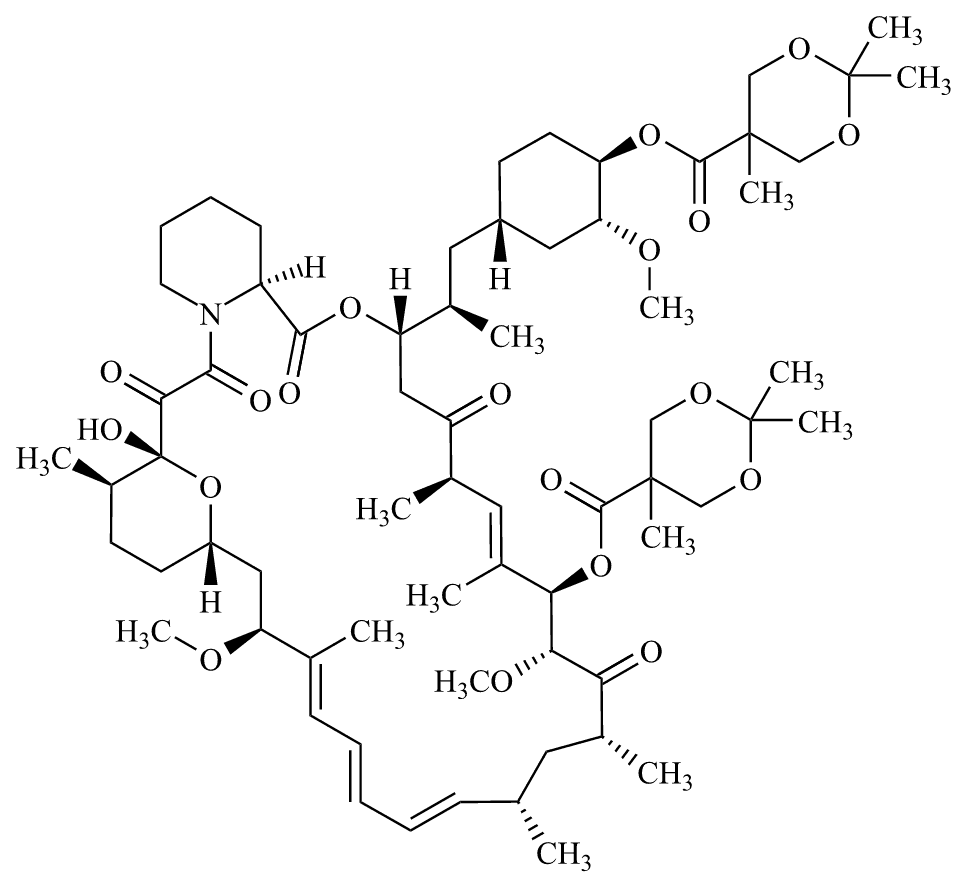
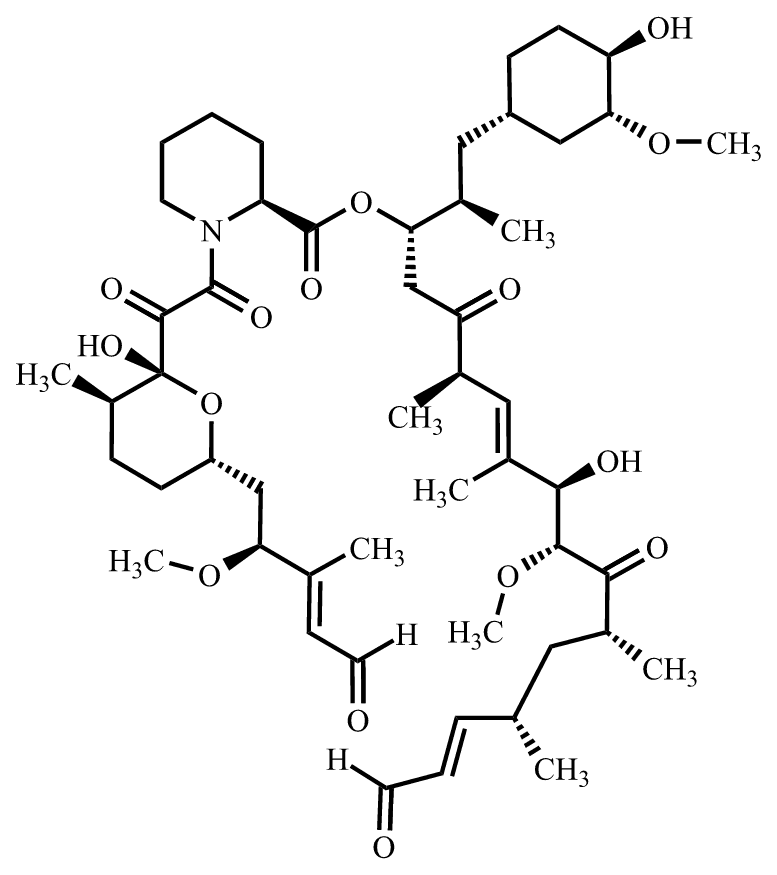
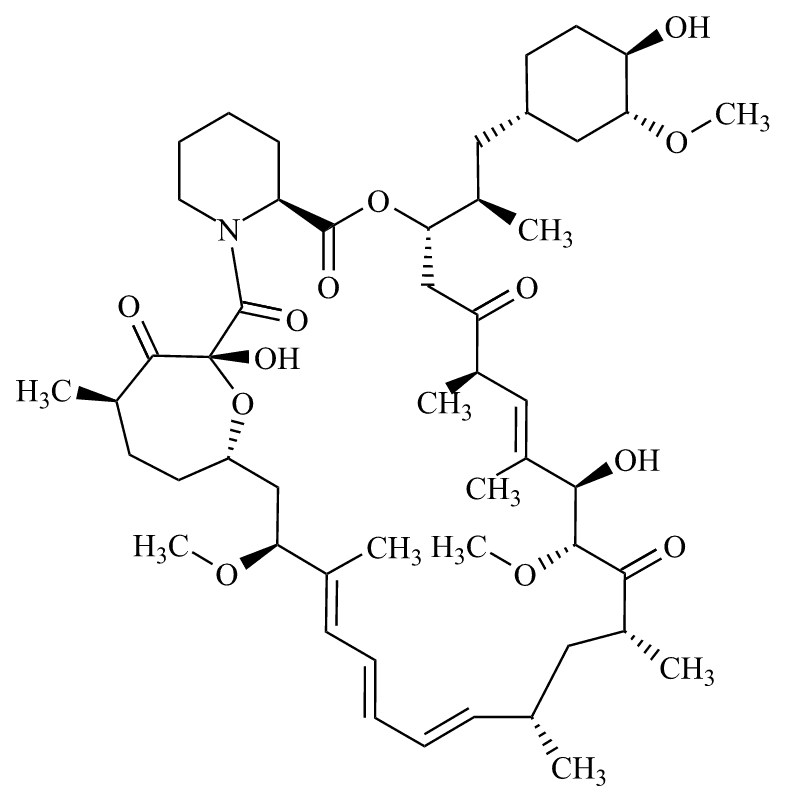
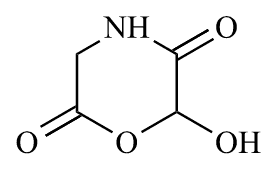
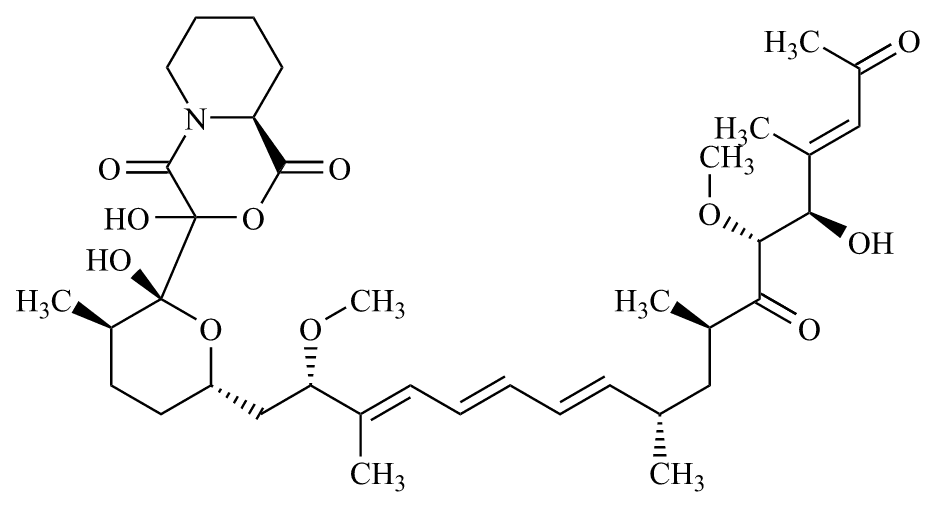
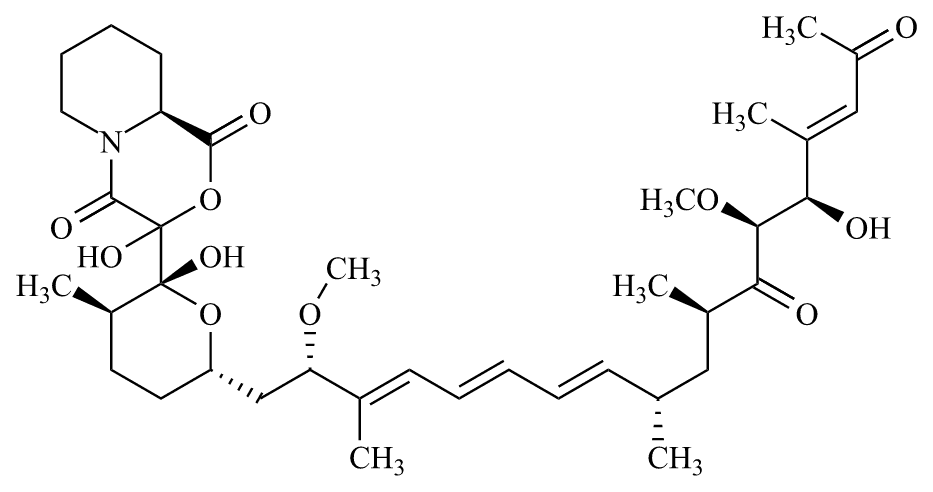
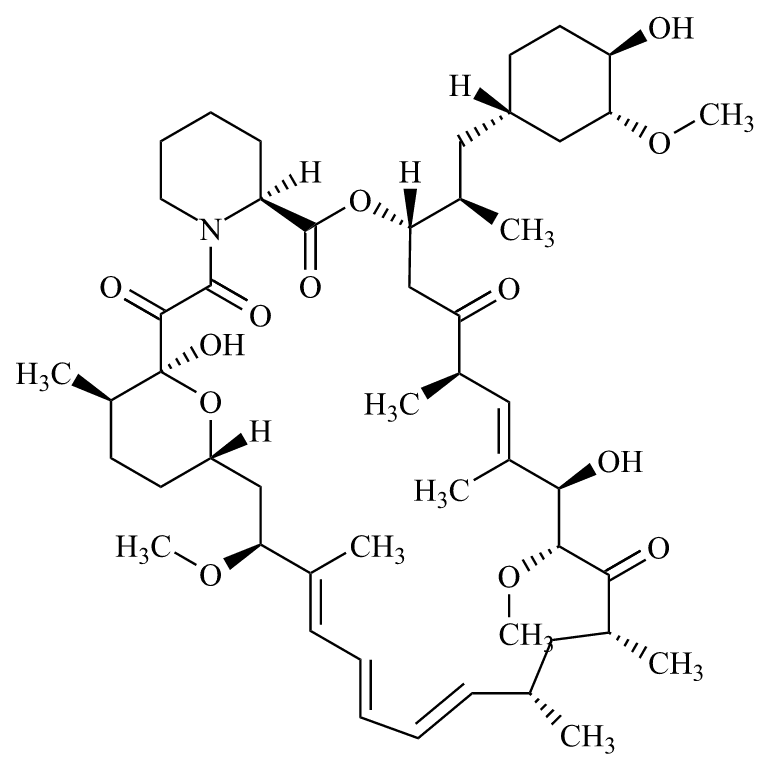
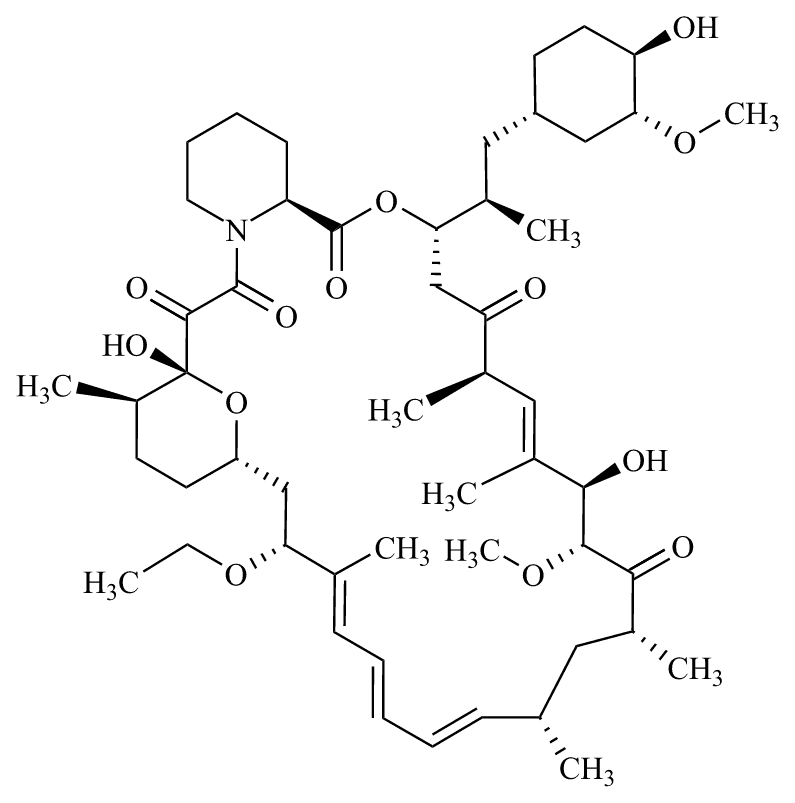
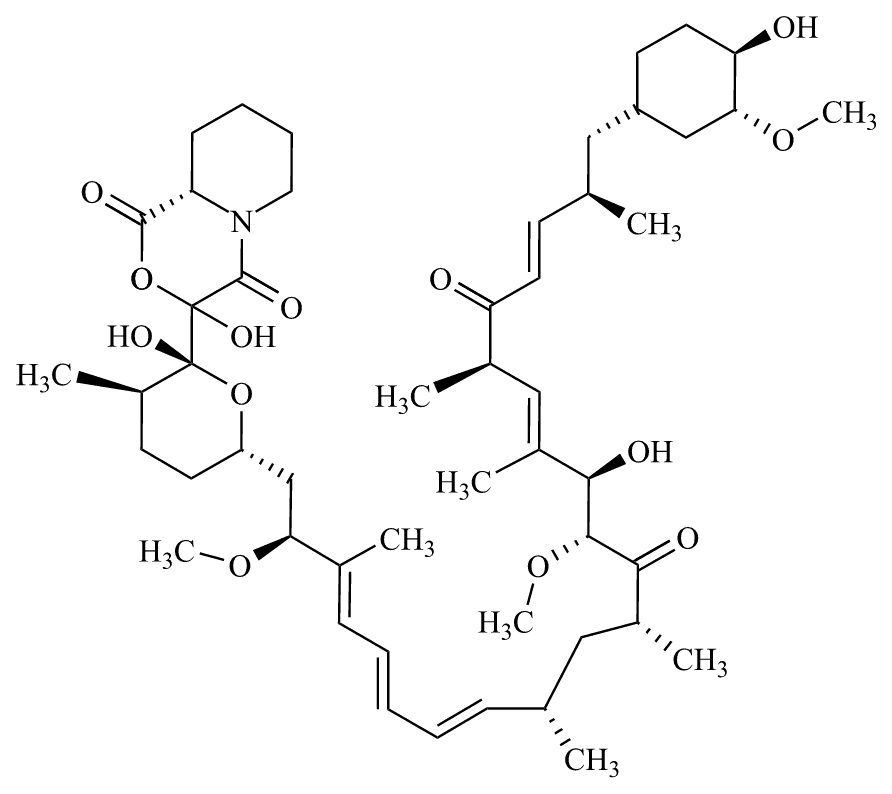
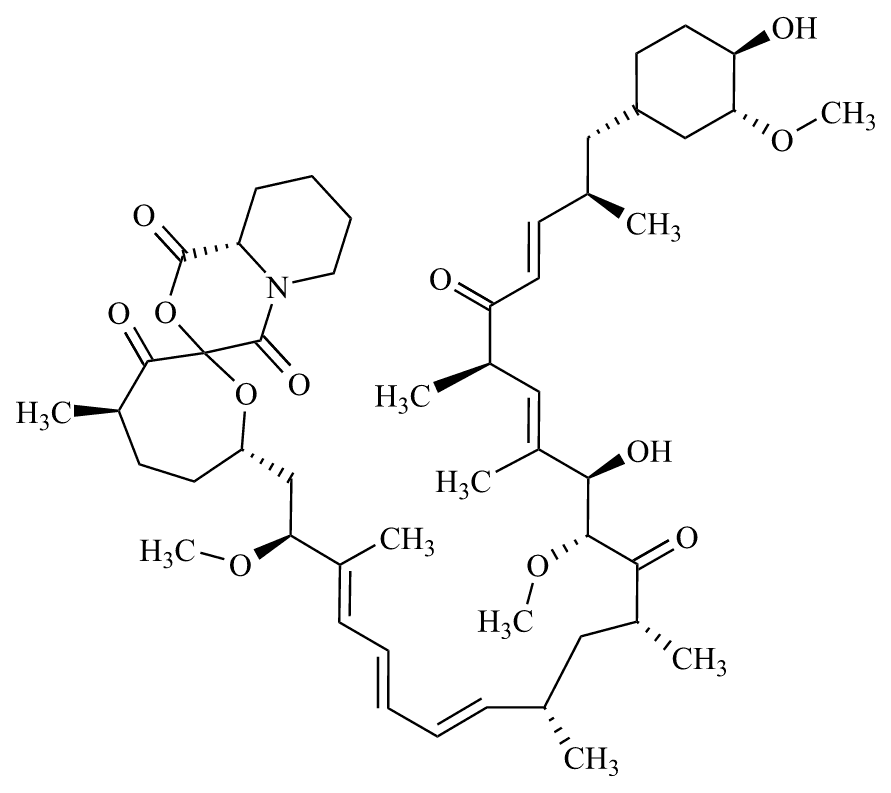
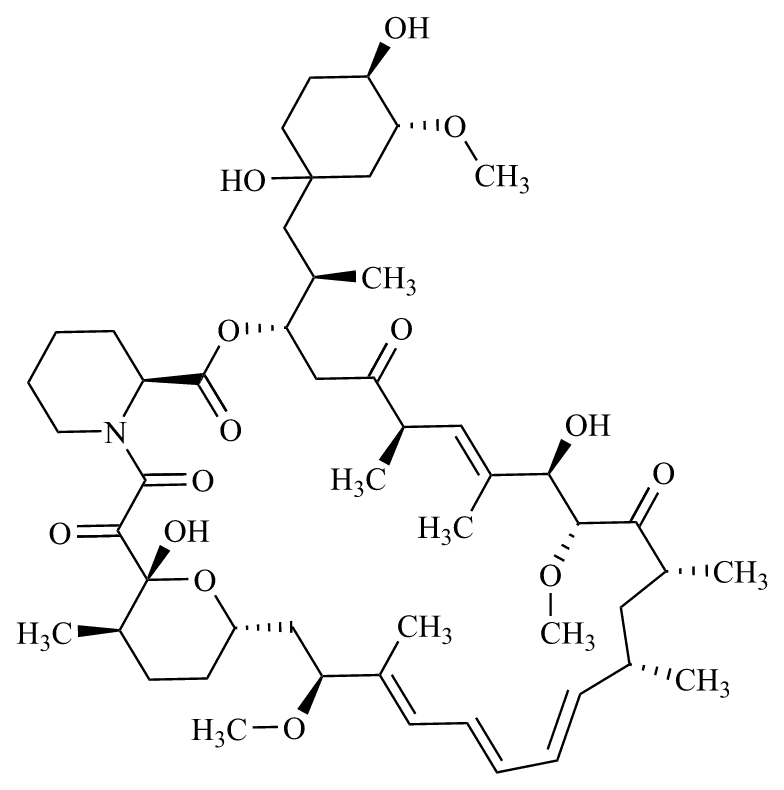
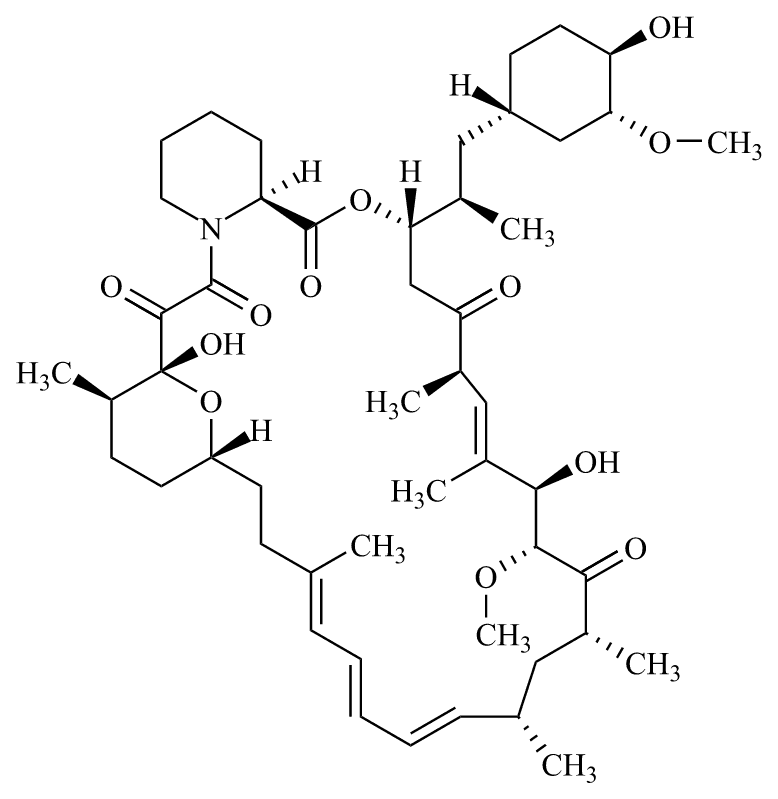
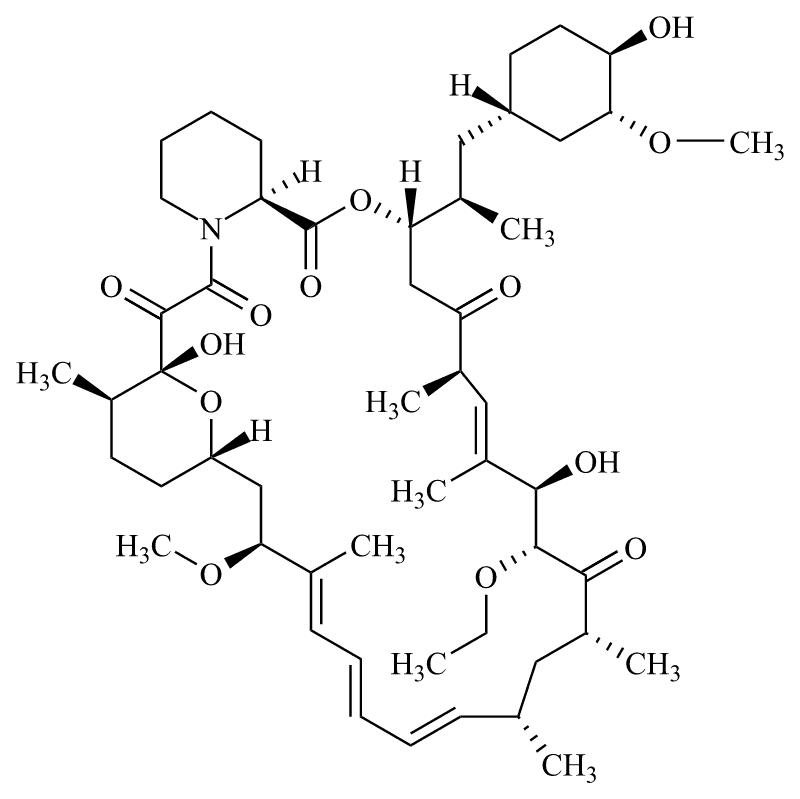
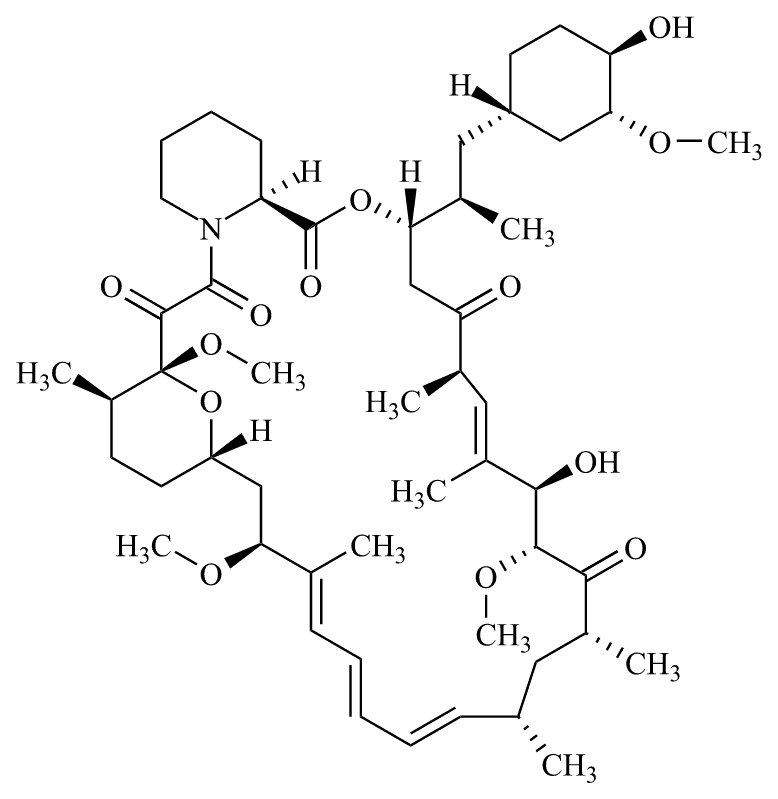
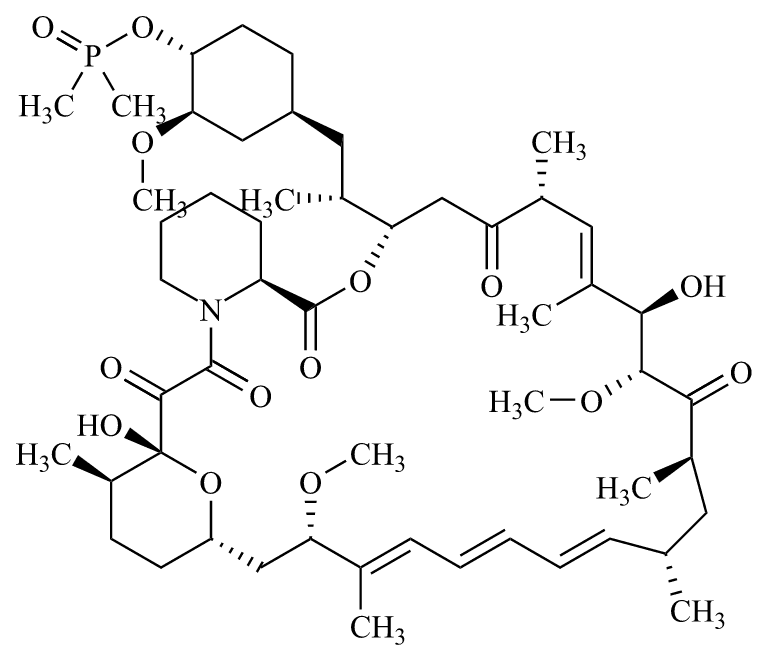
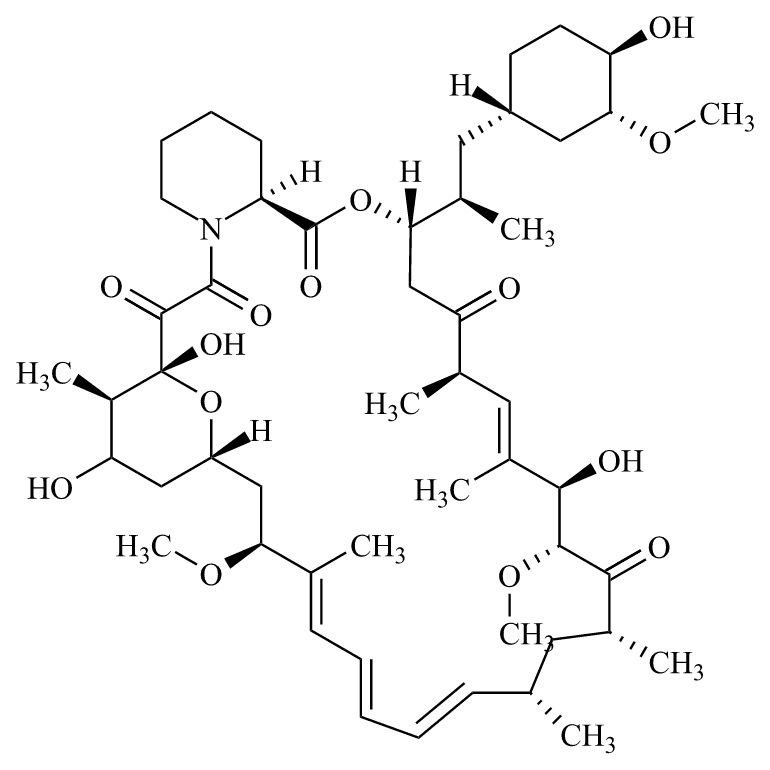
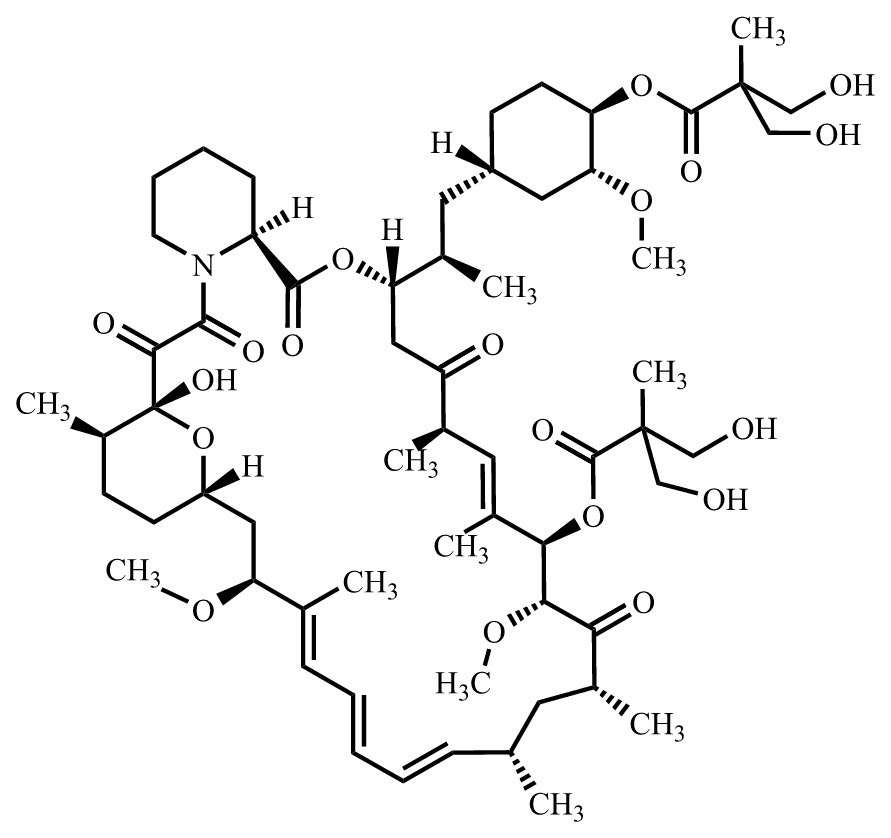
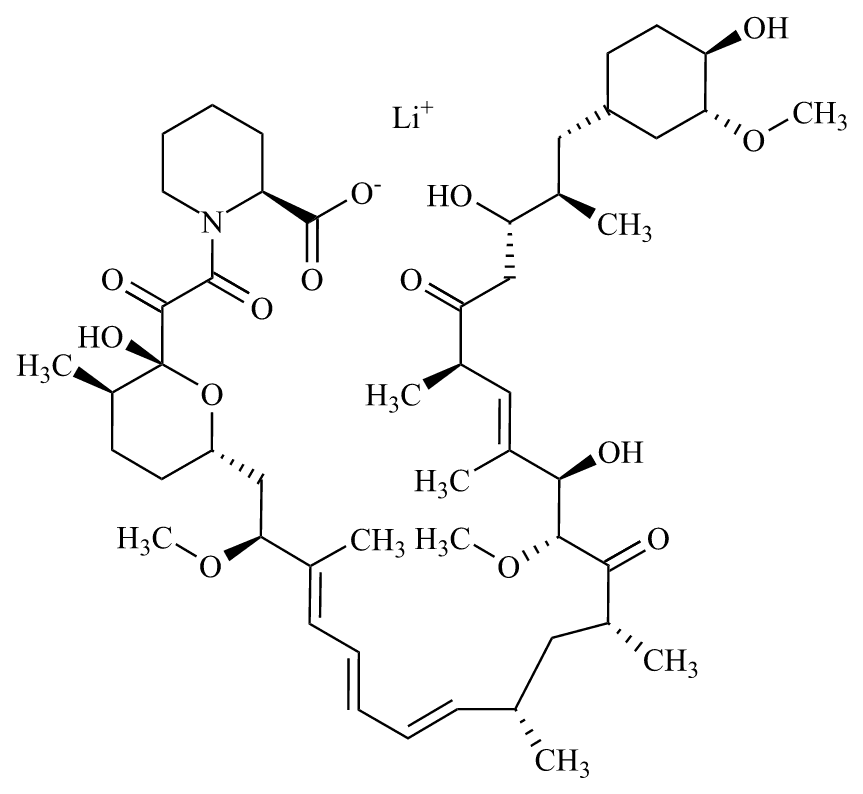
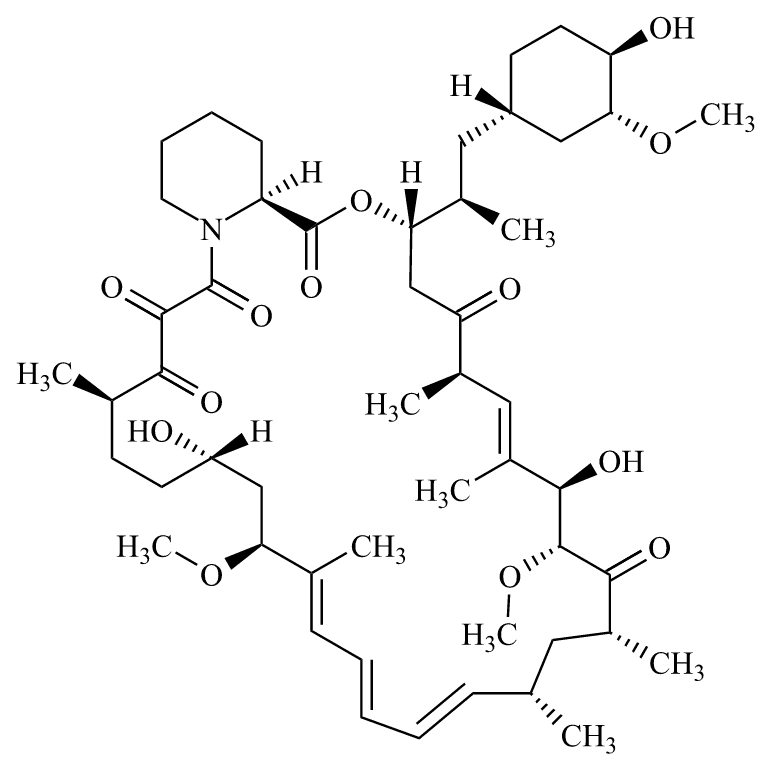
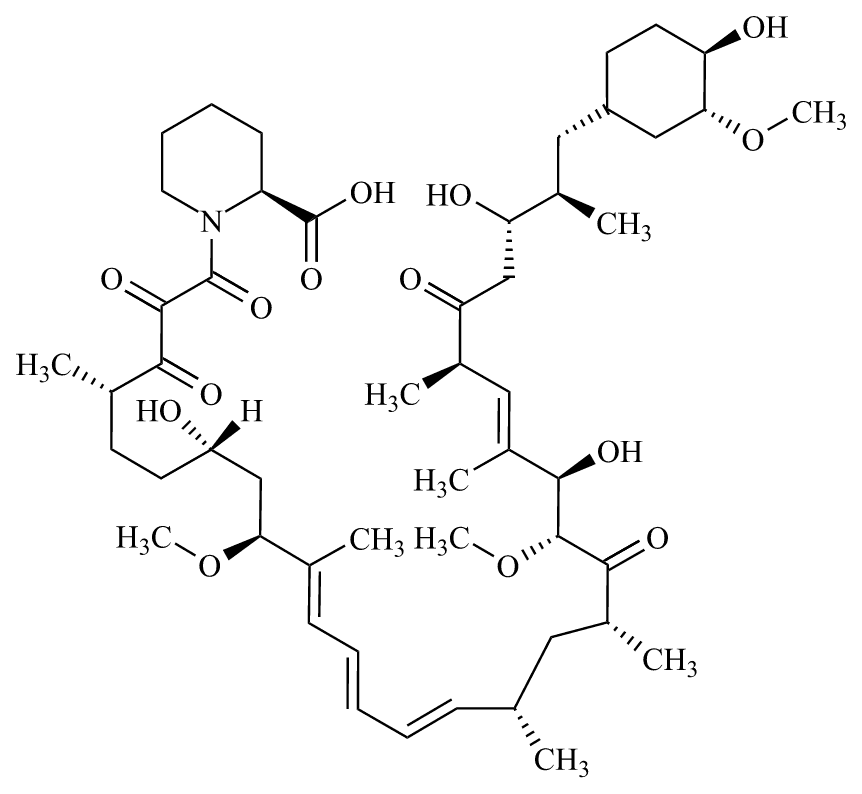
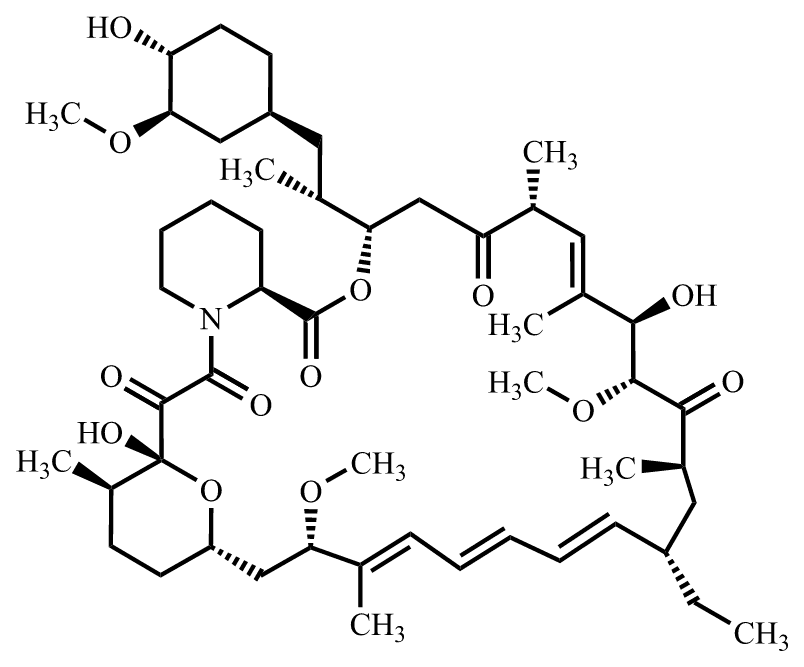

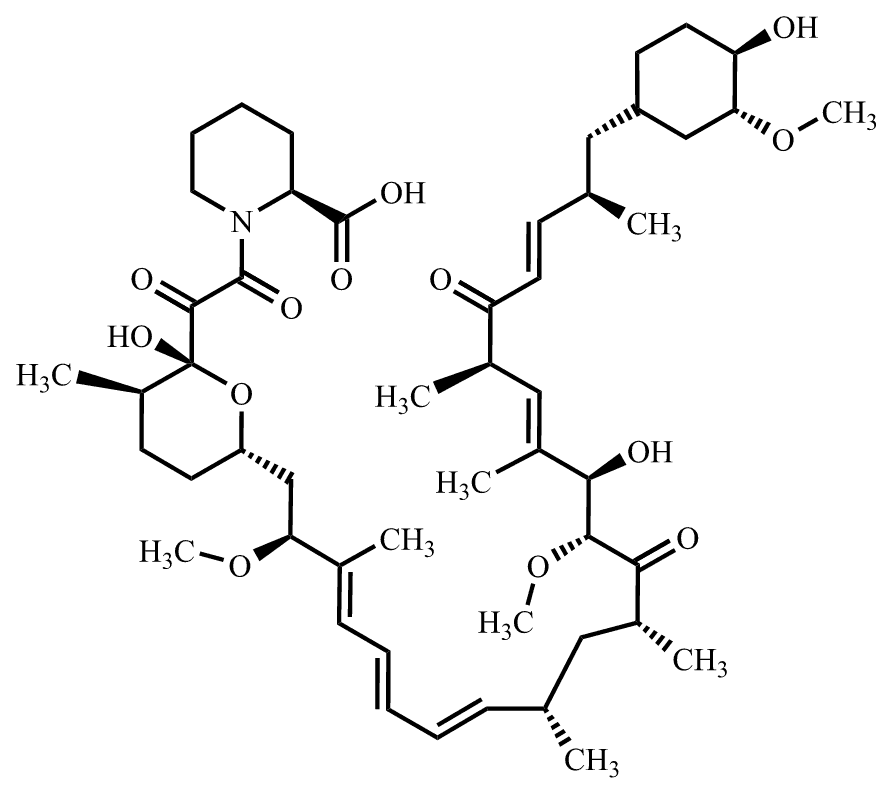
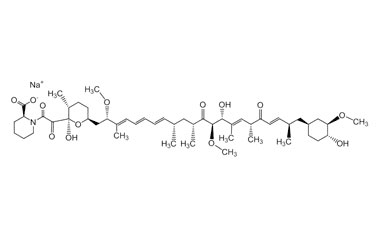
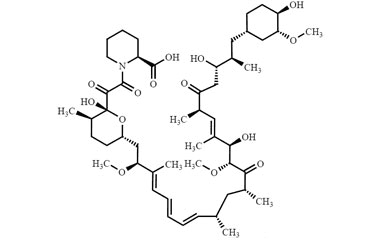
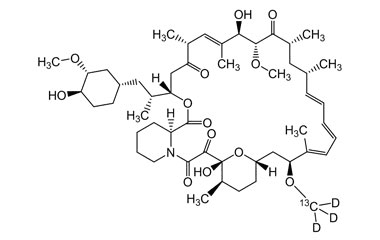
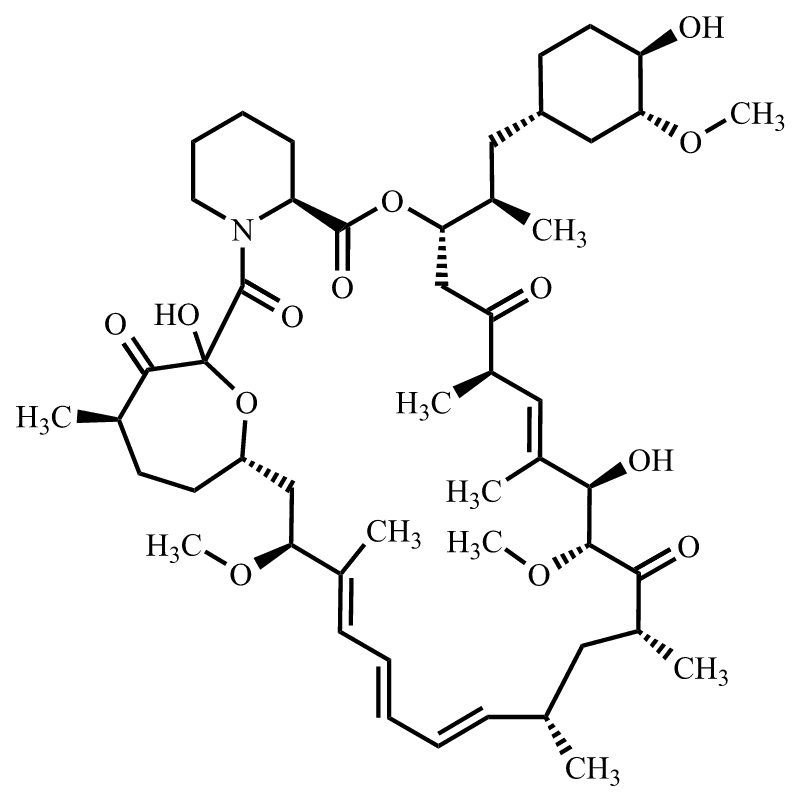
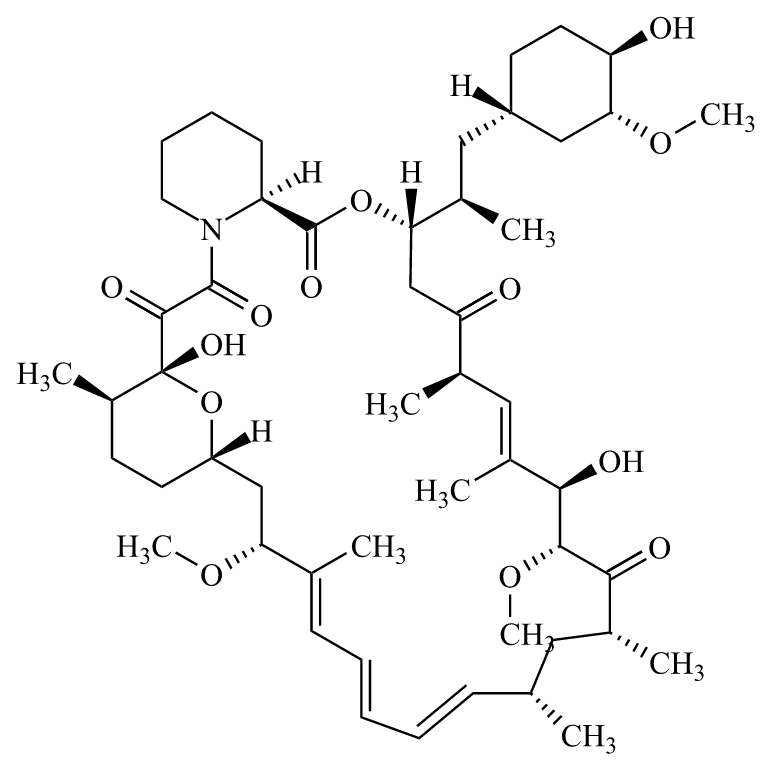
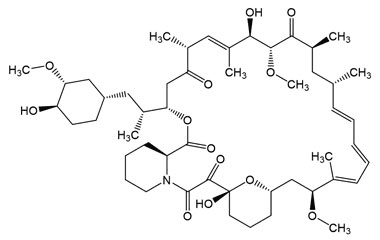
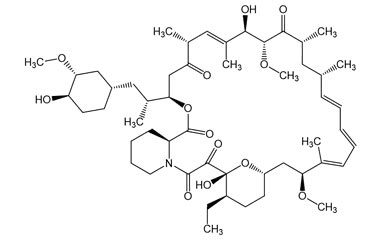
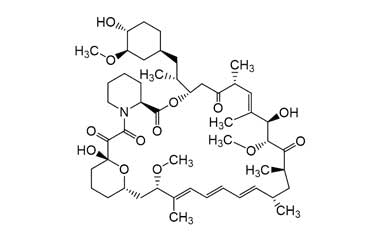
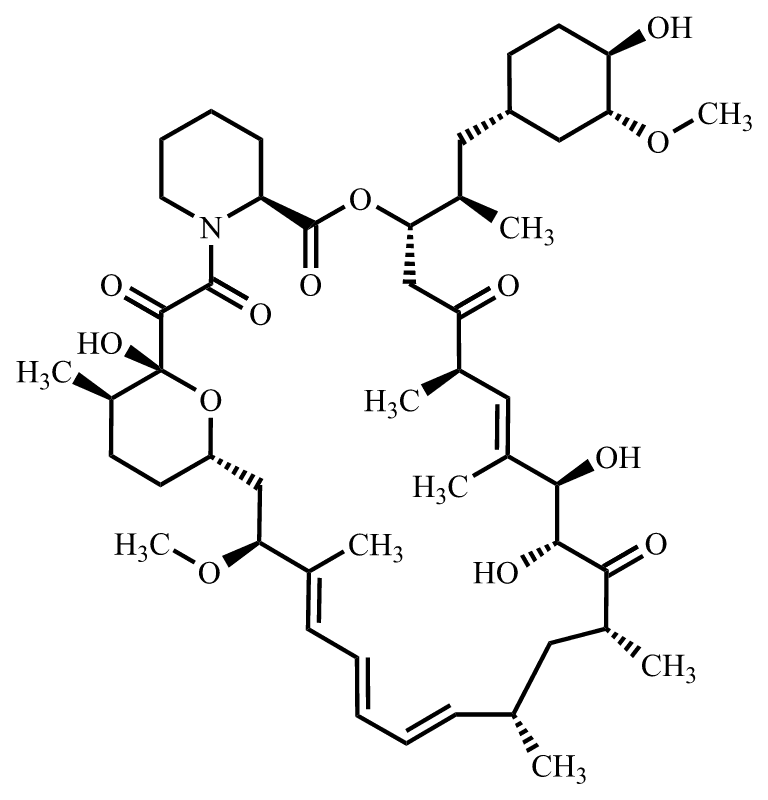
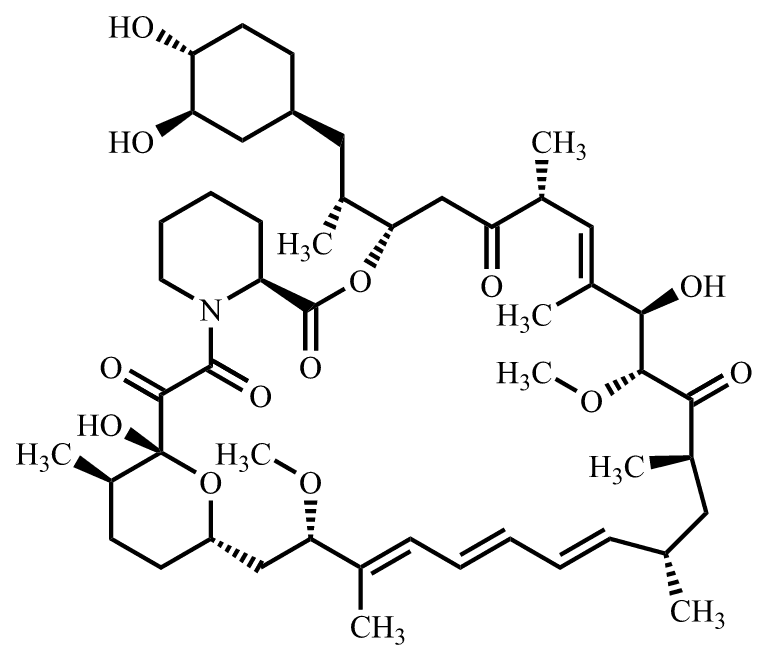
Rapamycin, also known as sirolimus, is a macrocyclic lactone immunosuppressant that functions as an mTOR inhibitor to prevent organ transplant rejection and treat conditions such as lymphangioleiomyomatosis. This category contains a comprehensive selection of rapamycin reference standards, including its related impurities, metabolites, and stable isotope labelled compounds. Pharmaceutical laboratories utilize these high-quality materials for critical analytical processes, such as impurity profiling, quantitative determination, and method validation to ensure the quality, purity, and potency of pharmaceutical formulations. By providing characterized substances for comparative analysis, these reference standards enable researchers and quality control teams to perform accurate identification and stability studies in accordance with regulatory requirements. These tools are essential for maintaining rigorous analytical standards throughout the drug development lifecycle, supporting precise and reproducible testing in both research and commercial environments.

