India +91 94223 00020abhay@splendidlab.comISO 17034:2016 · GLP certified
Rifamycin sodium belongs to the rifamycin class of antibiotics and functions as a hydroquinone derivative, primarily administered as an intravenous antimicrobial agent for the treatment of serious bacterial… Read more
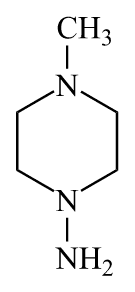

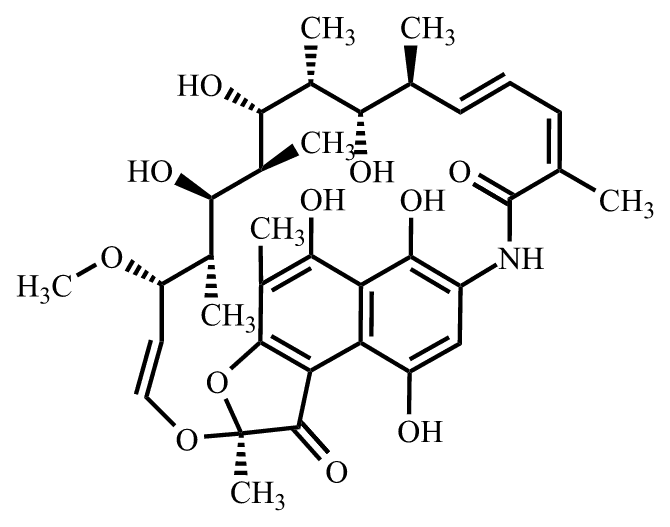
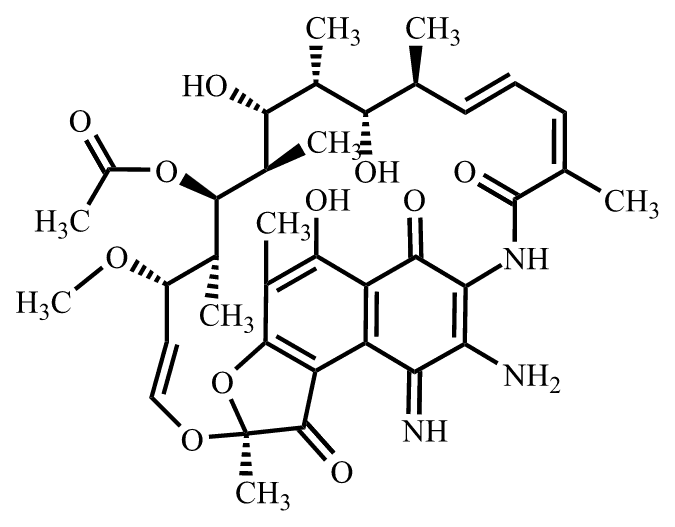
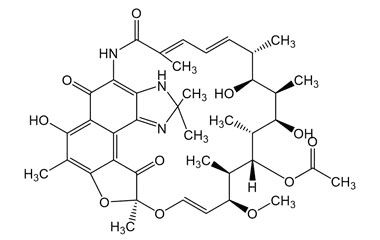
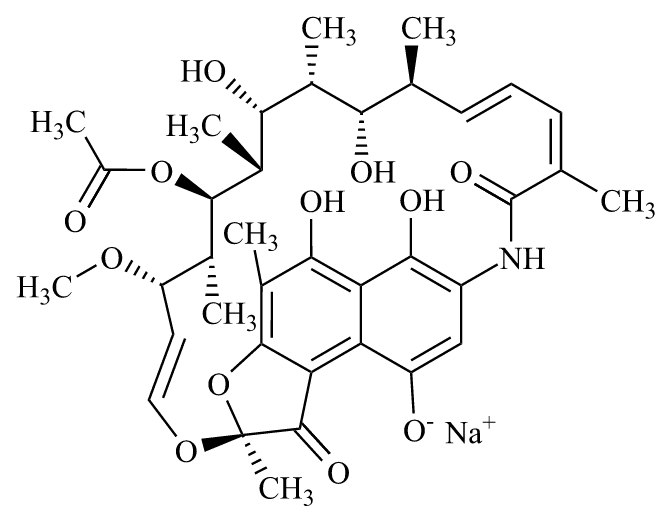


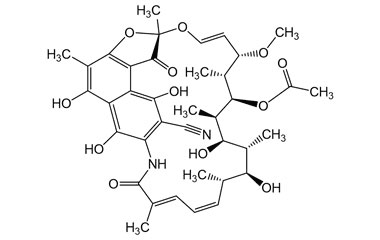
Rifamycin sodium belongs to the rifamycin class of antibiotics and functions as a hydroquinone derivative, primarily administered as an intravenous antimicrobial agent for the treatment of serious bacterial infections. Pharmaceutical laboratories utilize this category of reference standards to ensure rigorous quality control, regulatory compliance, and accurate analytical testing. The collection includes pharmacopeial and non-pharmacopeial impurities, such as 3-cyanorifamycin and 25-O-desacetylrifamycin, which are essential for impurity profiling during drug development and stability studies. Furthermore, stable isotope labelled compounds are available to serve as high-precision internal standards for quantitative analysis, particularly in complex matrices like biological samples. By providing these well-characterized materials, laboratories can validate analytical methods, confirm identification, and monitor degradation pathways effectively throughout the entire lifecycle of rifamycin-based therapeutic products.

