India +91 94223 00020abhay@splendidlab.comISO 17034:2016 · GLP certified
Rosuvastatin acid is a statin-class medication primarily used to treat hyperlipidemia and prevent cardiovascular disease by inhibiting the HMG-CoA reductase enzyme to reduce hepatic cholesterol synthesis.… Read more


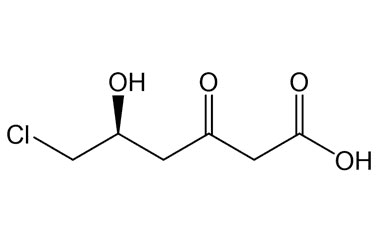
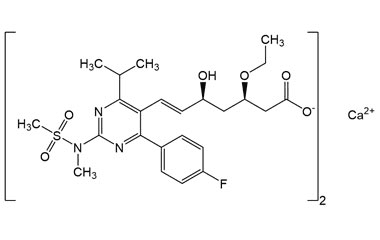
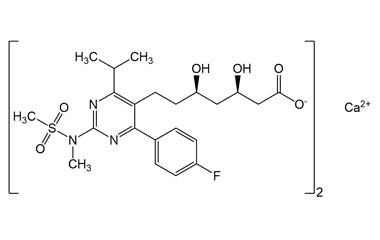
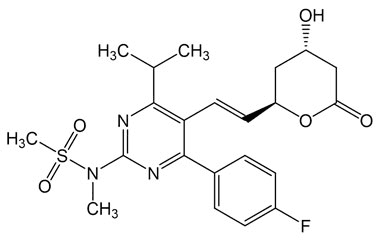
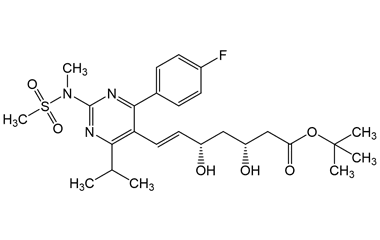
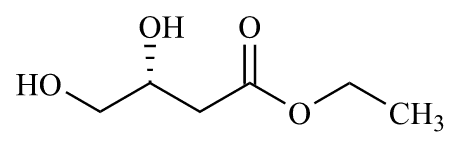
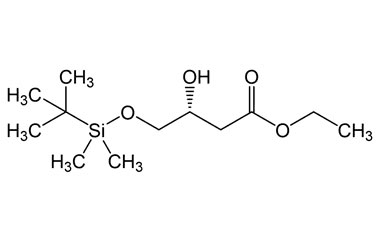

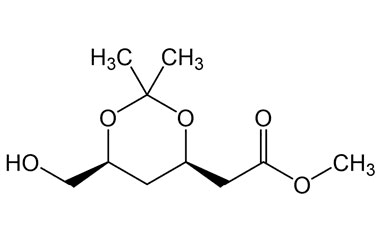

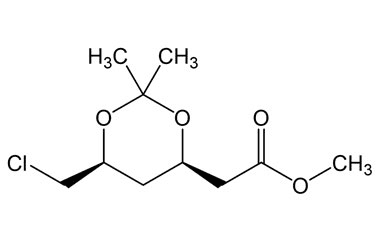
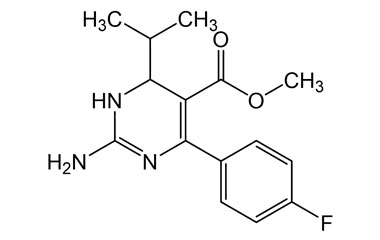
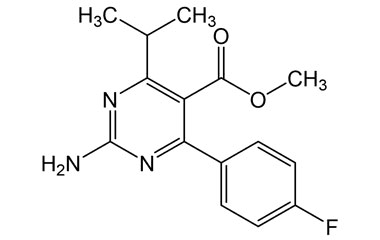
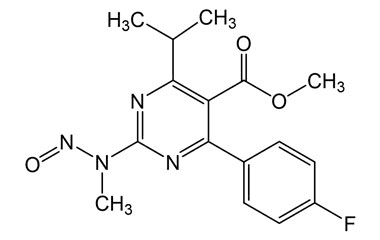

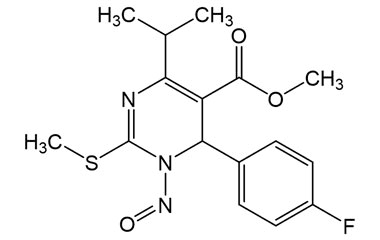


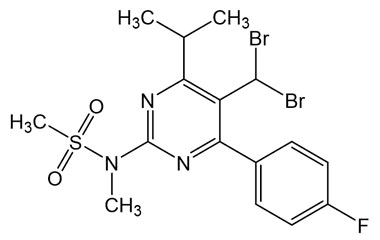


Rosuvastatin acid is a statin-class medication primarily used to treat hyperlipidemia and prevent cardiovascular disease by inhibiting the HMG-CoA reductase enzyme to reduce hepatic cholesterol synthesis. The related compounds in this category, including pharmacopeial and non-pharmacopeial impurities, metabolites, and stable isotope labelled standards, are essential for rigorous analytical testing and quality control. Chemists and researchers rely on these high-quality reference standards for comprehensive impurity profiling, enabling the accurate identification and quantification of process-related impurities and degradation products throughout the product lifecycle. By utilizing these specialized materials, laboratories can ensure the precision of their analytical method validation, support stability studies, and maintain strict compliance with global regulatory guidelines regarding drug safety and therapeutic effectiveness.

