India +91 94223 00020abhay@splendidlab.comISO 17034:2016 · GLP certified
Salicylic acid is a lipophilic monohydroxybenzoic acid belonging to the beta-hydroxy acid class, widely recognized as a potent keratolytic agent used to treat acne, psoriasis, warts, and other dermatological… Read more
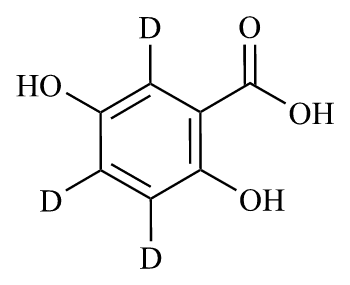

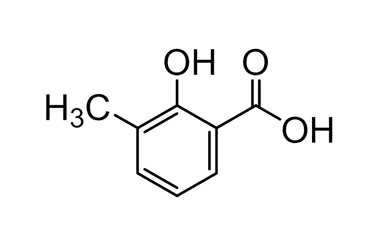
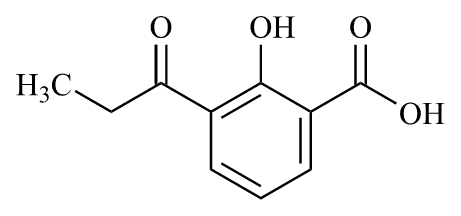
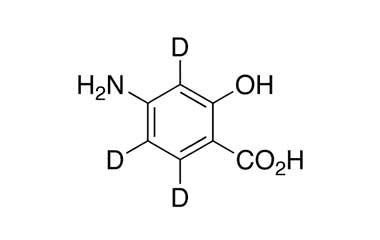
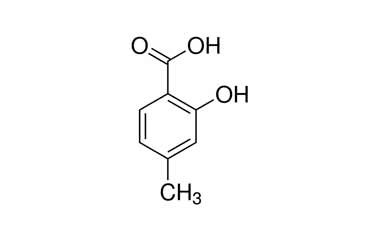

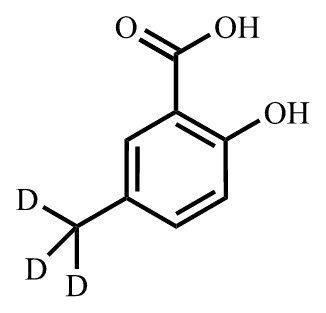
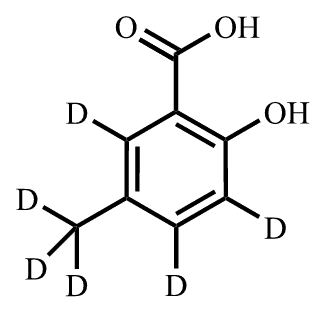


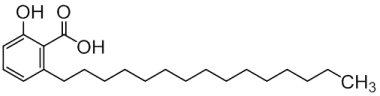
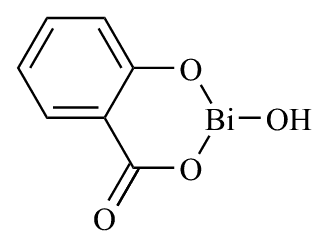
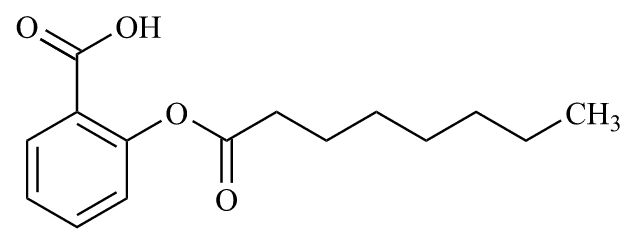
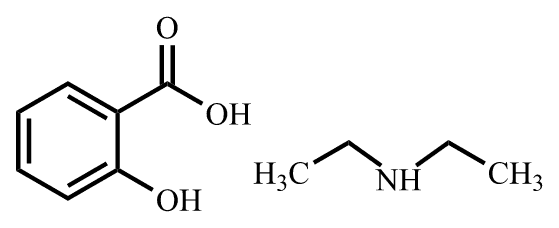
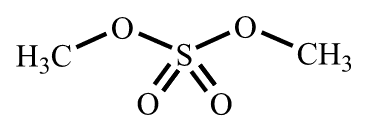
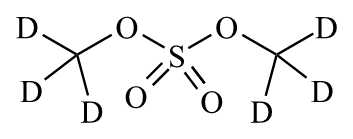
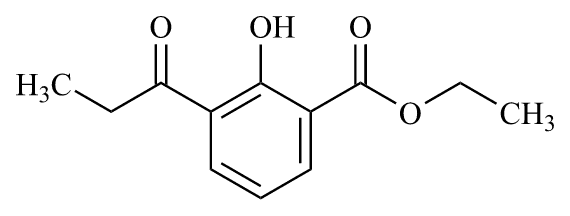
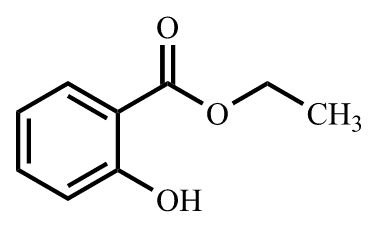

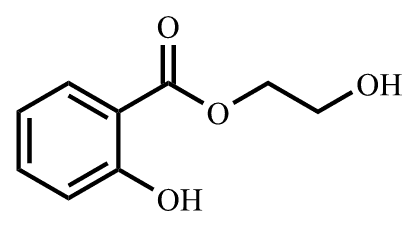
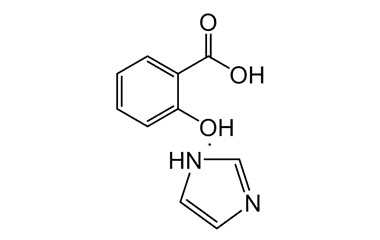
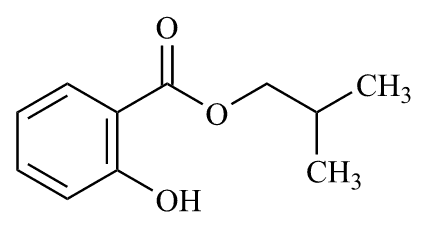
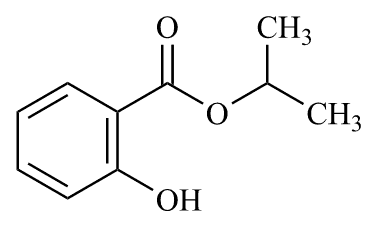
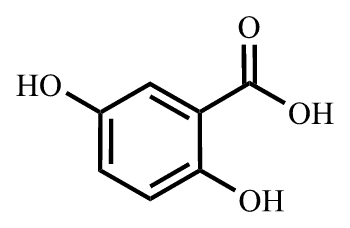
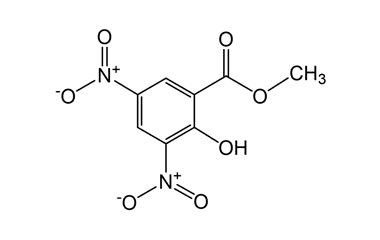
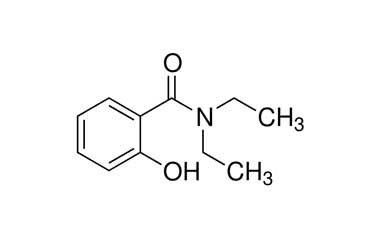
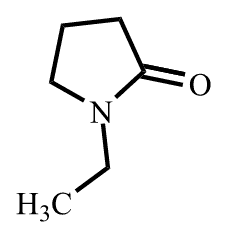
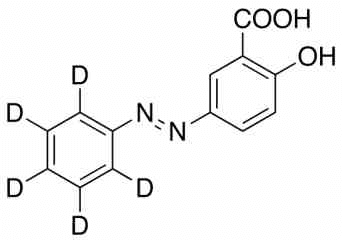
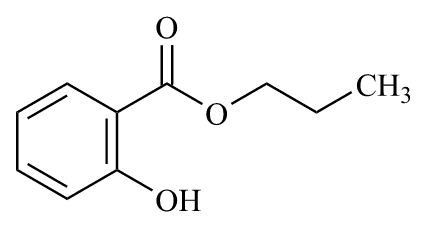
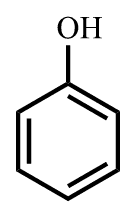


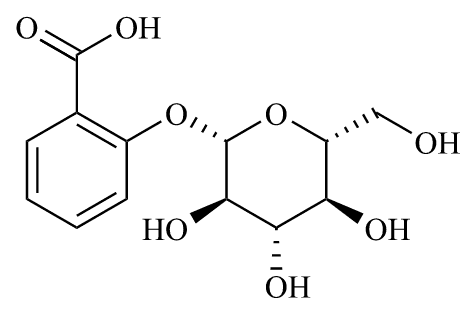
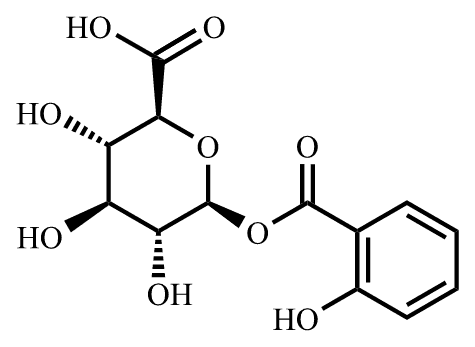
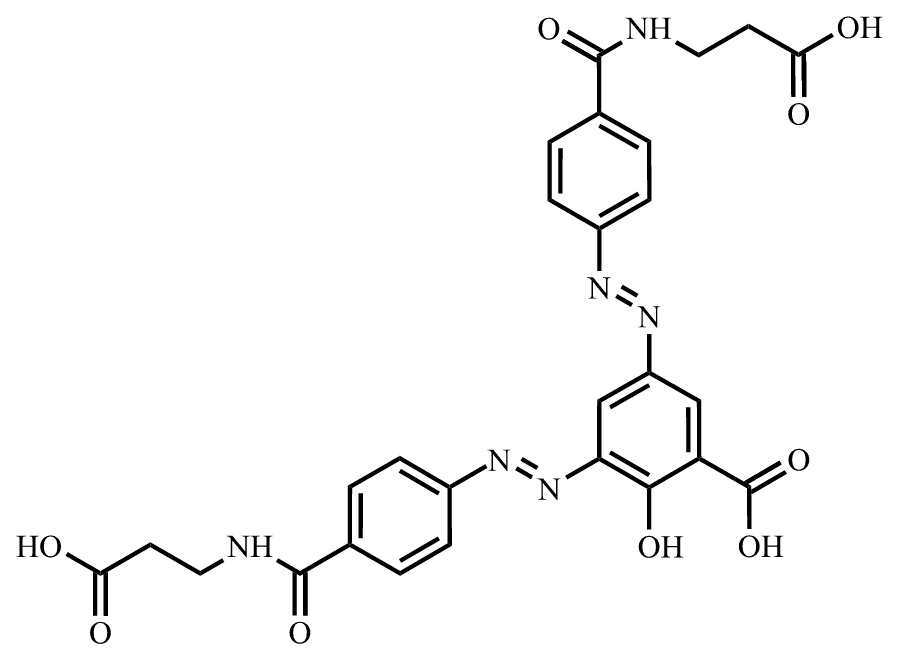
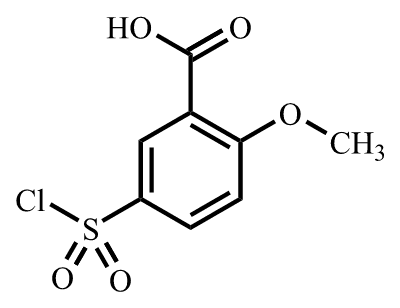
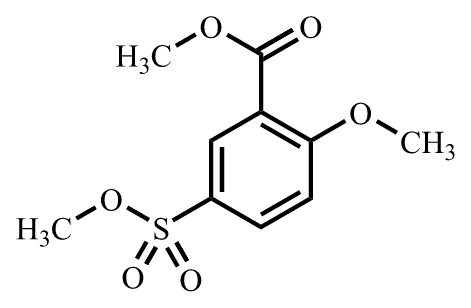
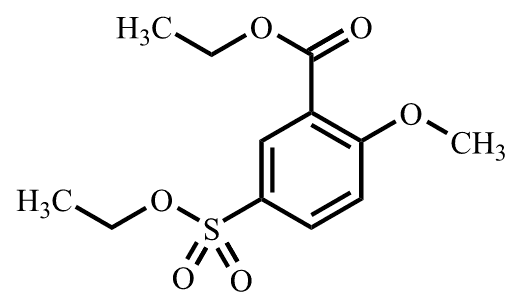
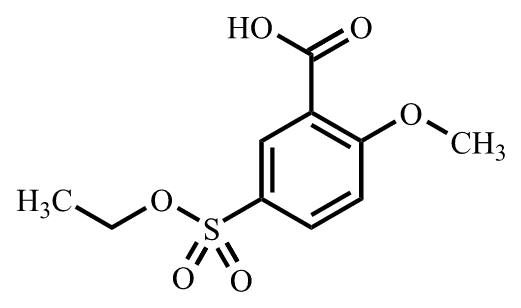
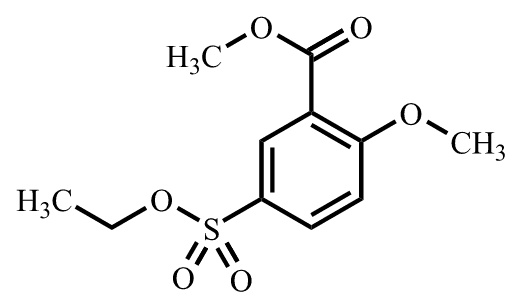
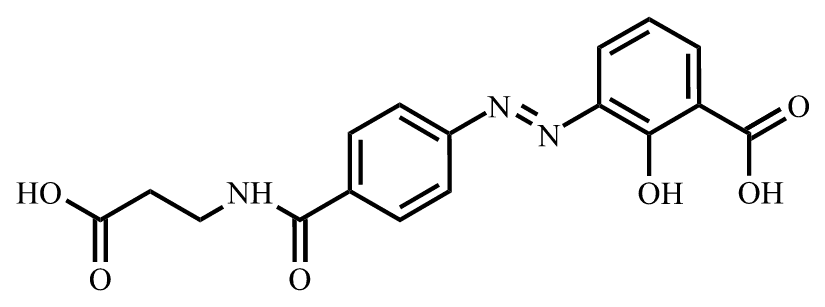
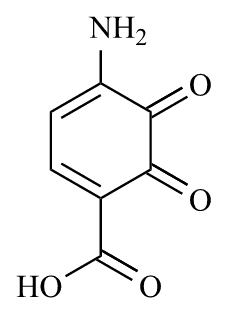
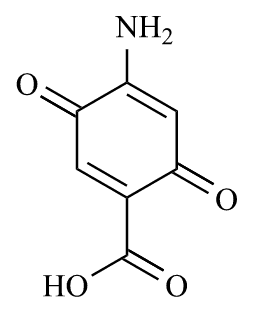

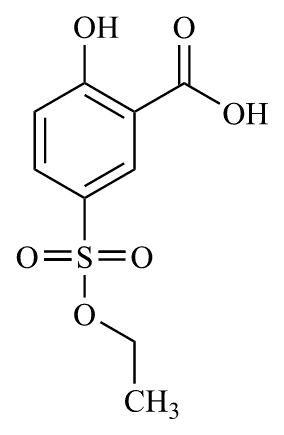
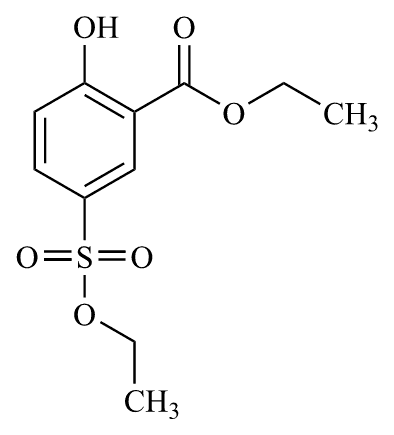
Salicylic acid is a lipophilic monohydroxybenzoic acid belonging to the beta-hydroxy acid class, widely recognized as a potent keratolytic agent used to treat acne, psoriasis, warts, and other dermatological conditions. As an active metabolite of acetylsalicylic acid, this compound also plays a significant role in pharmaceutical research and development. Laboratories rely on a comprehensive range of salicylic acid reference standards—including pharmacopeial and non-pharmacopeial impurities, primary metabolites, and stable isotope labelled compounds—to ensure the accuracy of analytical testing. These high-quality materials are critical for reliable impurity profiling, method validation, and consistent quality control across pharmaceutical manufacturing. By utilizing precisely characterized standards and isotope-labelled analogues, scientists can achieve high-precision quantification in mass spectrometry and chromatographic assays, facilitating robust analytical outcomes during drug synthesis, stability monitoring, and the ongoing investigation of salicylate-based therapeutics in both clinical and research environments.

