India +91 94223 00020abhay@splendidlab.comISO 17034:2016 · GLP certified
Solifenacin is a selective muscarinic M3 receptor antagonist used in the treatment of overactive bladder to alleviate symptoms such as urinary urgency, frequency, and incontinence. The Solifenacin category… Read more

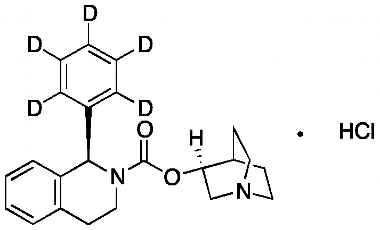
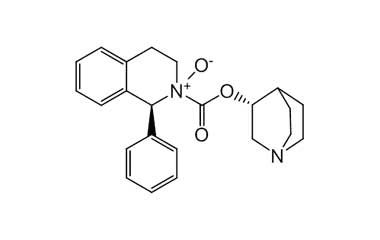


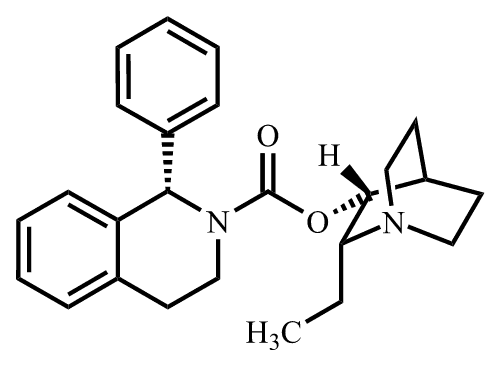





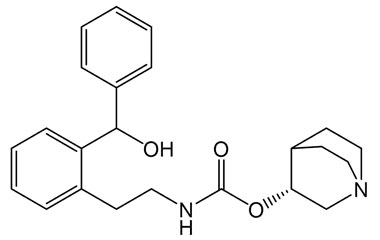
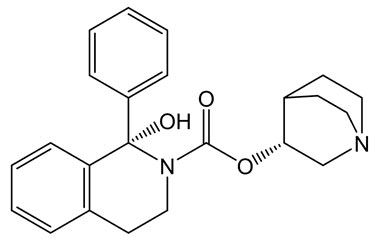




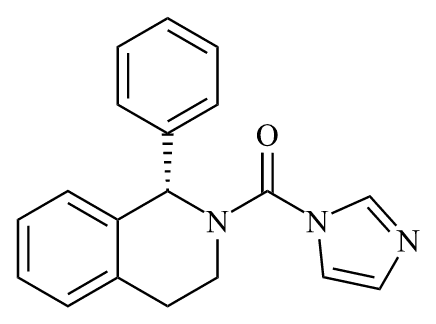
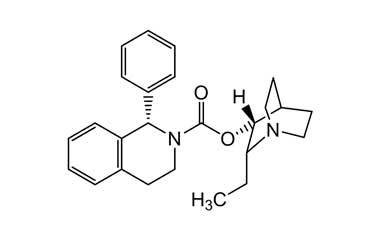
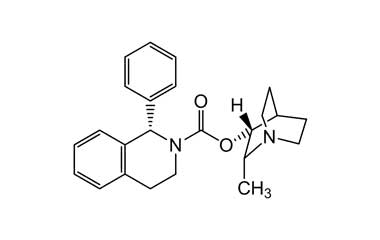


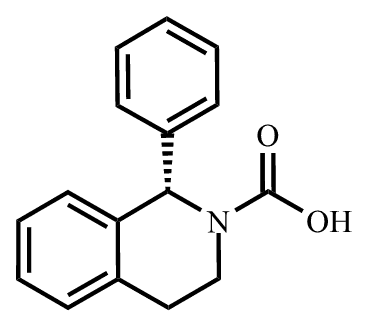


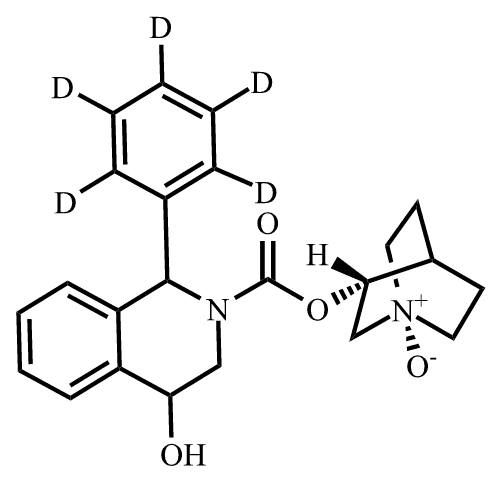

Solifenacin is a selective muscarinic M3 receptor antagonist used in the treatment of overactive bladder to alleviate symptoms such as urinary urgency, frequency, and incontinence. The Solifenacin category includes a comprehensive range of reference standards, including synthetic intermediates, degradation products, metabolites, and stable isotope labelled compounds. These materials are essential for pharmaceutical laboratories to perform accurate impurity profiling, supporting the identification and quantification of process-related impurities and trace contaminants. By utilizing these high-quality standards in analytical method validation and quality control procedures, researchers can ensure compliance with regulatory pharmacopeial guidelines. Stable isotope labelled versions of Solifenacin serve as critical internal standards for mass spectrometry applications, providing improved precision during bioanalytical testing and stability studies. This collection provides the necessary analytical benchmarks to maintain product safety, therapeutic efficacy, and consistent quality throughout the drug development and manufacturing lifecycle.

