India +91 94223 00020abhay@splendidlab.comISO 17034:2016 · GLP certified
Staurosporine is a potent, cell-permeable alkaloid derived from Streptomyces staurosporeus that functions as a kinase inhibitor. By binding to the ATP-binding pocket of protein kinases, particularly protein… Read more

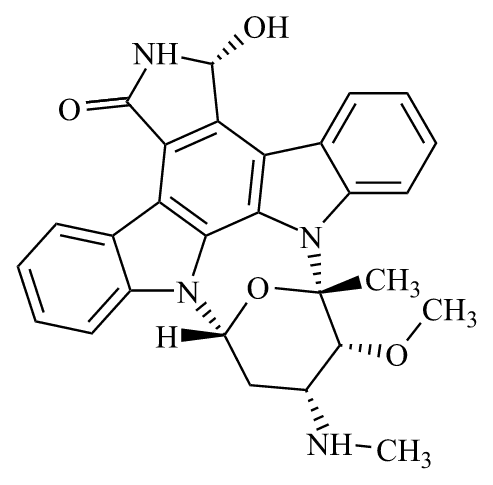


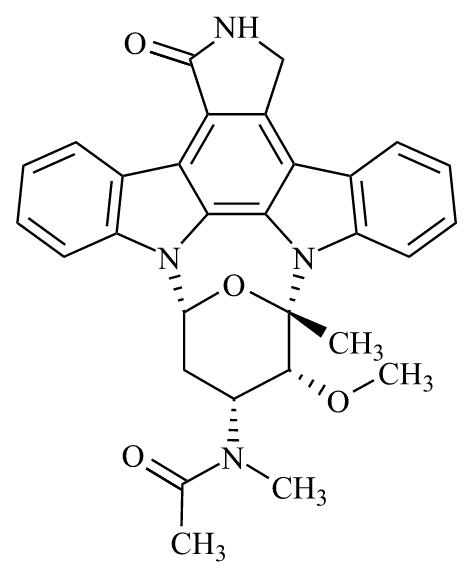


Staurosporine is a potent, cell-permeable alkaloid derived from Streptomyces staurosporeus that functions as a kinase inhibitor. By binding to the ATP-binding pocket of protein kinases, particularly protein kinase C, it serves as a significant research tool in preclinical studies to investigate cancer signaling pathways, cell proliferation, and apoptosis mechanisms. Within pharmaceutical research, the use of high-quality reference standards is critical for reliable data. The related compounds, including synthetic derivatives, specific impurities like 7-hydroxystaurosporine, metabolites such as 3’-O-desmethyl staurosporine, and stable isotope-labelled versions, are essential for rigorous impurity profiling and method validation. These analytical standards support researchers in performing accurate quantitative analysis and quality control, ensuring that the characterization and assessment of staurosporine and its analogs meet the required standards for scientific investigation.

