India +91 94223 00020abhay@splendidlab.comISO 17034:2016 · GLP certified
Streptomycin is a potent aminoglycoside antibiotic that functions by binding to the 30S ribosomal subunit to inhibit bacterial protein synthesis, serving as a critical treatment for severe infections such… Read more
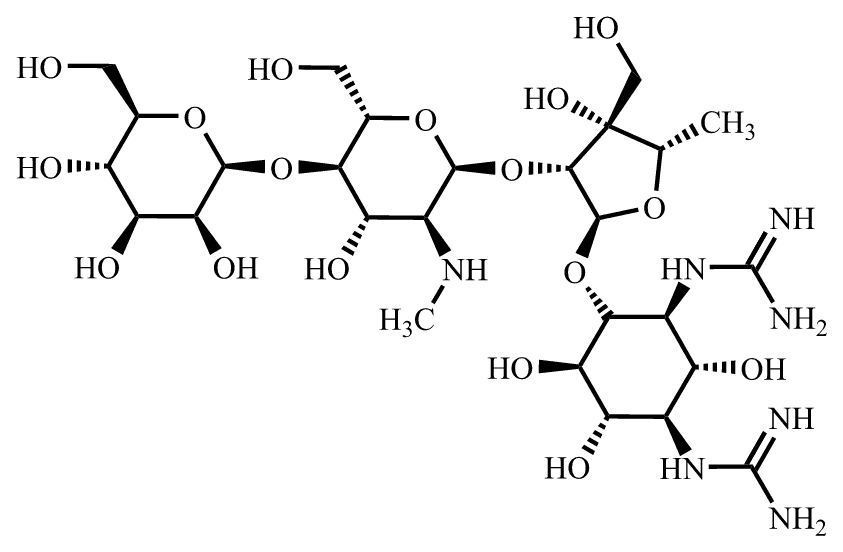


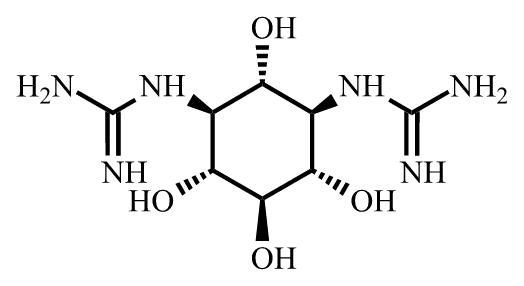
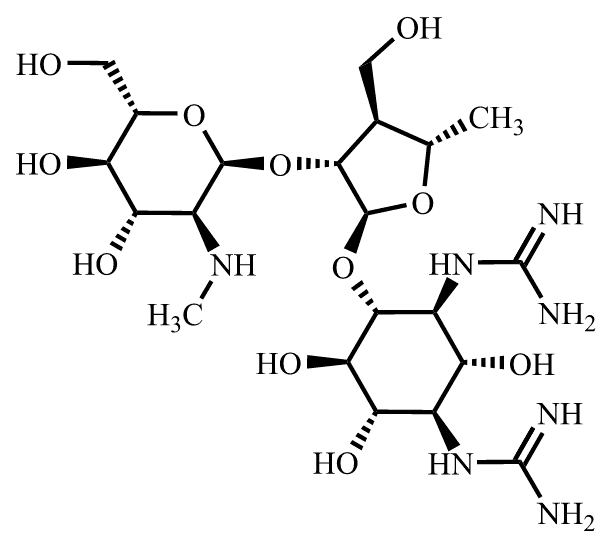
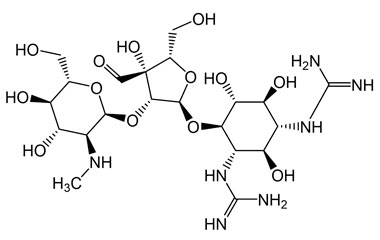
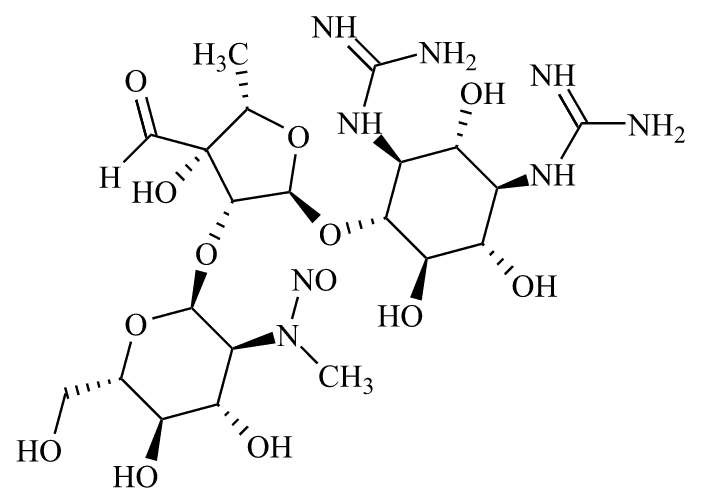
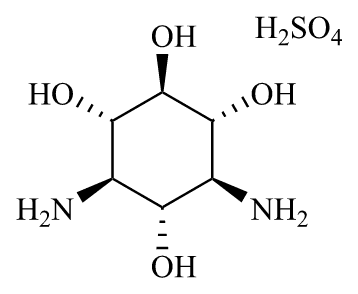

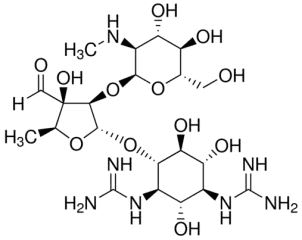
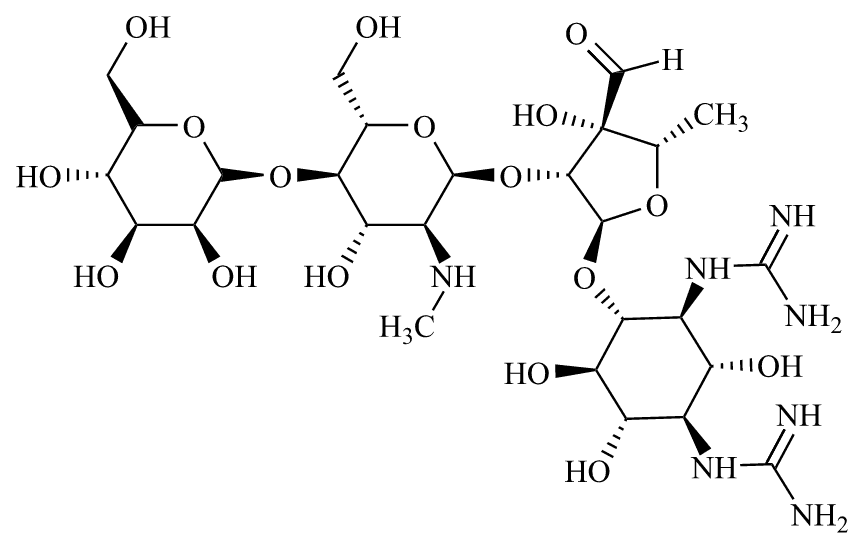
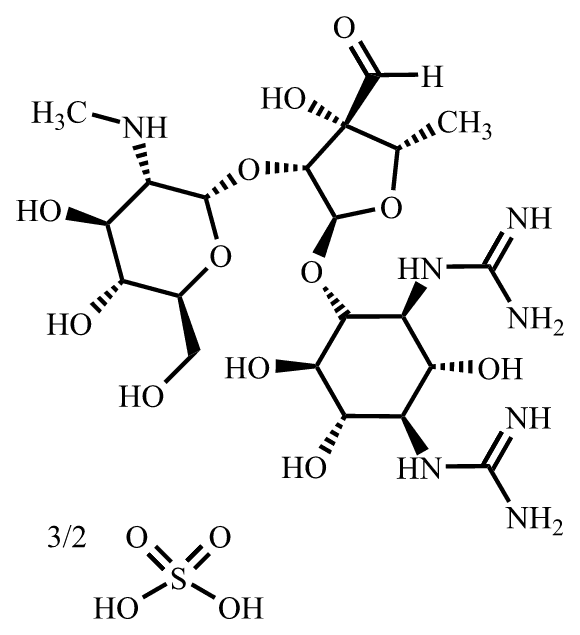


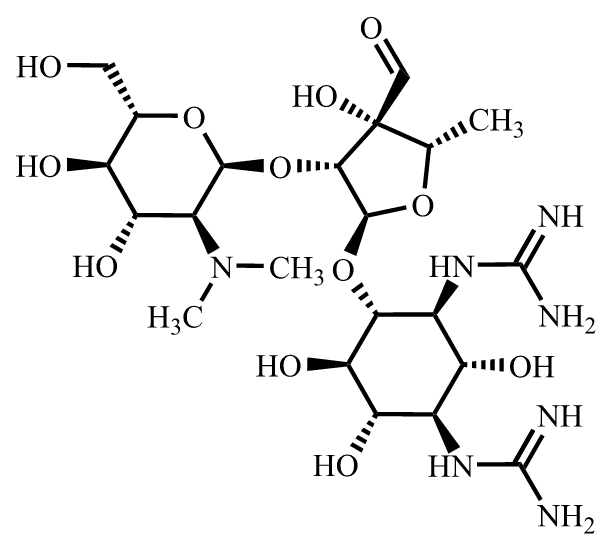
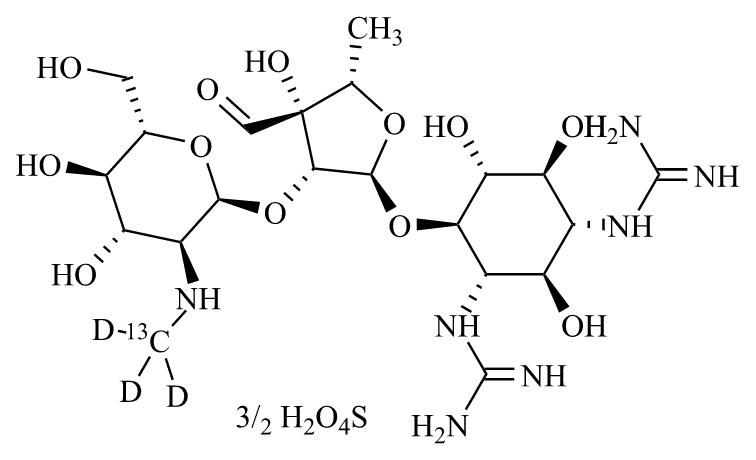
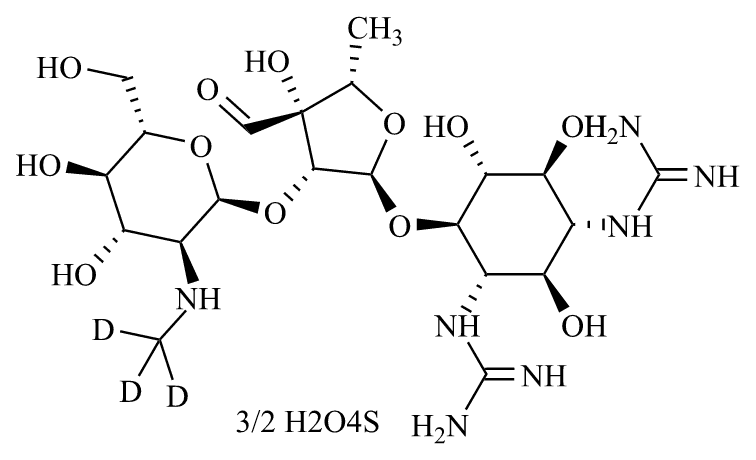
Streptomycin is a potent aminoglycoside antibiotic that functions by binding to the 30S ribosomal subunit to inhibit bacterial protein synthesis, serving as a critical treatment for severe infections such as tuberculosis. Laboratories requiring precise analytical tools for this compound utilize a range of Streptomycin reference standards, including pharmacopeial and non-pharmacopeial impurities, metabolites, and degradation products. These materials are essential for robust impurity profiling and method validation, ensuring accurate detection and quantification within pharmaceutical preparations. For advanced analytical studies, including isotope dilution mass spectrometry, stable isotope labelled Streptomycin compounds are frequently employed as internal standards to correct for matrix effects and recovery losses. Accessing this comprehensive selection of analytical standards supports researchers and quality control laboratories in maintaining rigorous compliance and optimizing bioanalytical methodologies throughout the lifecycle of streptomycin-based therapeutic development and testing.

