India +91 94223 00020abhay@splendidlab.comISO 17034:2016 · GLP certified
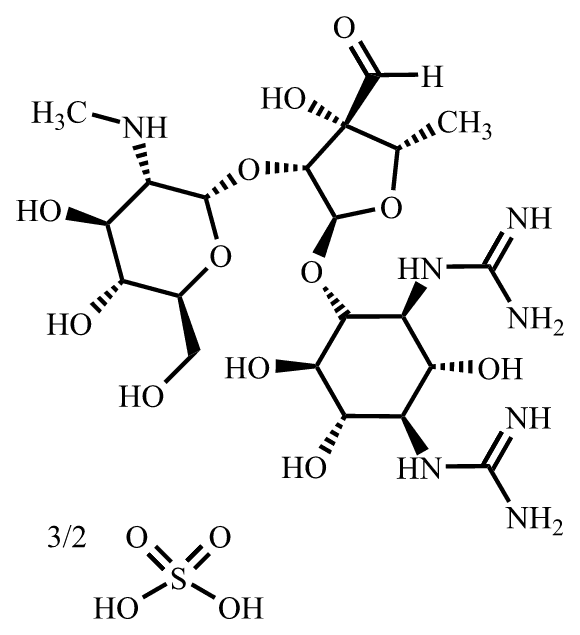
Streptomycin sulfate is an aminoglycoside antibiotic primarily indicated for the treatment of tuberculosis and various serious Gram-negative bacterial infections. This compound functions by irreversibly… Read more
Streptomycin sulfate is an aminoglycoside antibiotic primarily indicated for the treatment of tuberculosis and various serious Gram-negative bacterial infections. This compound functions by irreversibly binding to the 30S ribosomal subunit, which effectively inhibits bacterial protein synthesis and halts microbial growth. The range of reference standards listed here, including pharmaceutical impurities and stable isotope labelled compounds, is essential for rigorous analytical testing and quality control protocols. Laboratories utilize these high-quality materials for impurity profiling, method validation, and as internal standards in quantitative assays. By incorporating materials such as the degradation impurity dihydrostreptomycin sesquisulfate, analysts can ensure the accuracy and specificity of their testing procedures during the development and manufacturing of antibiotic formulations. These standards play a critical role in confirming the identity and purity of the active pharmaceutical ingredient in compliance with regulatory requirements.