India +91 94223 00020abhay@splendidlab.comISO 17034:2016 · GLP certified
Tazobactam is a potent beta-lactamase inhibitor, categorized as an antibiotic adjuvant, which is clinically administered in combination with beta-lactam antibiotics like piperacillin to treat serious bacterial… Read more
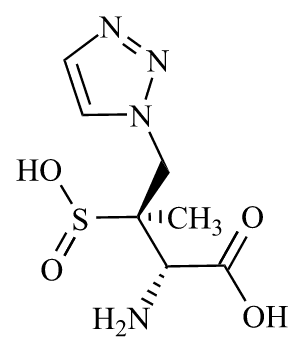


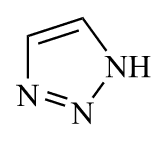
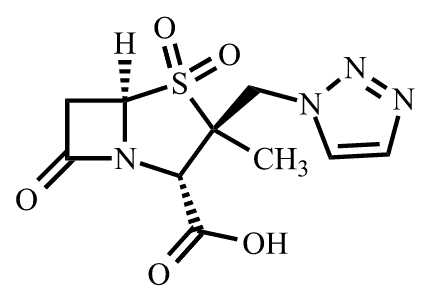
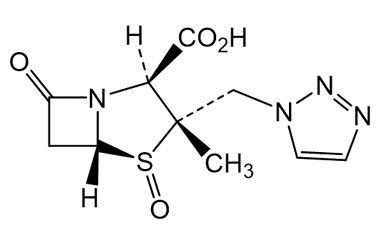
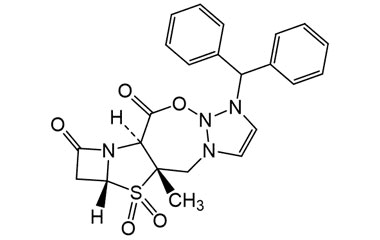
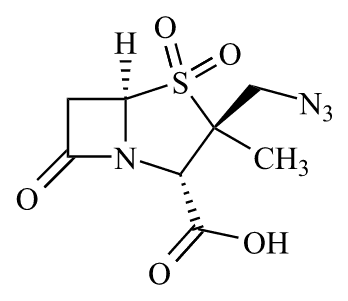
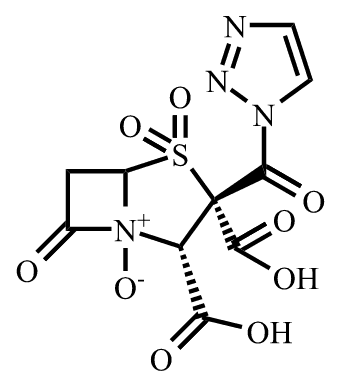
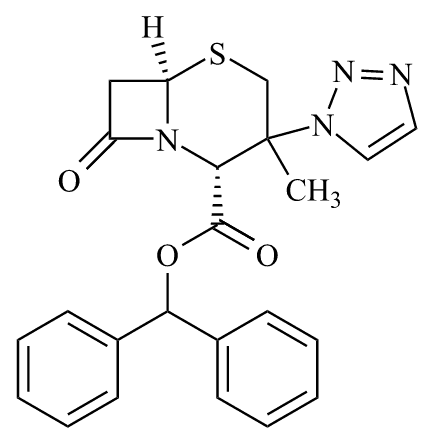
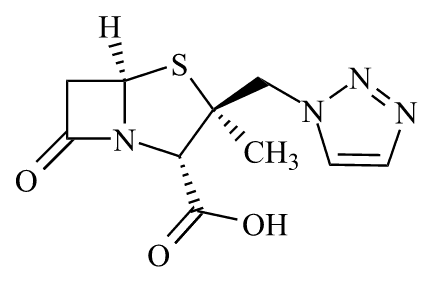
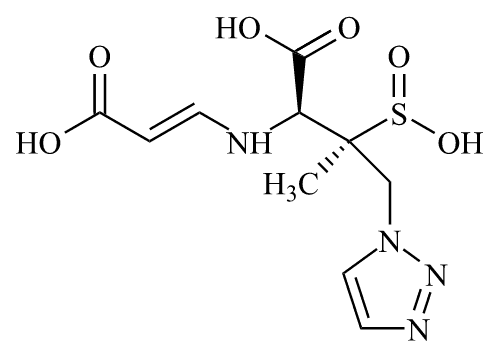
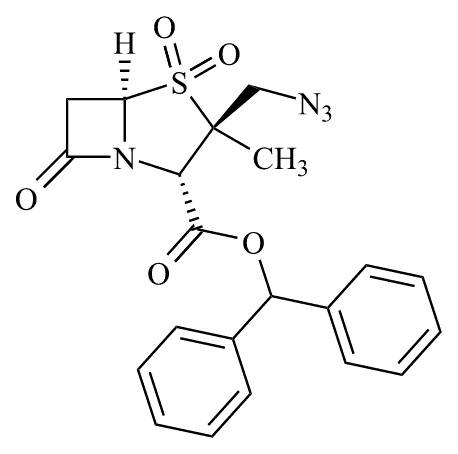
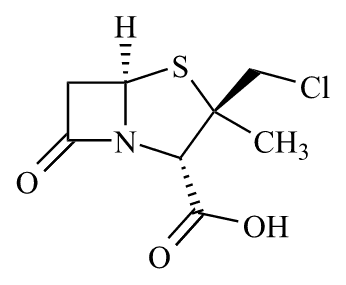
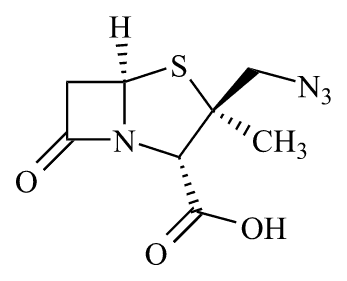
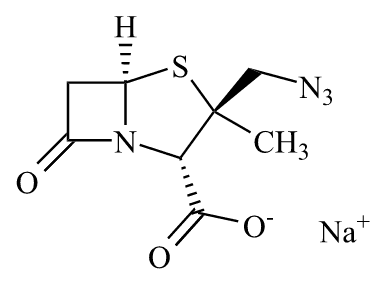
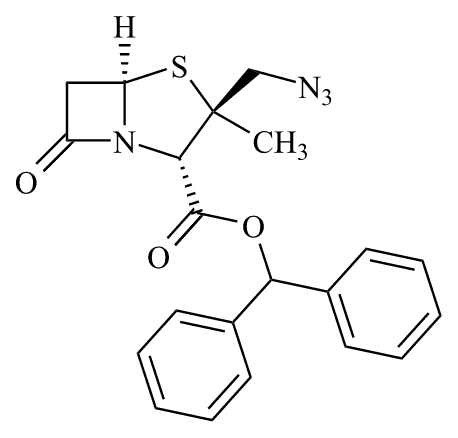
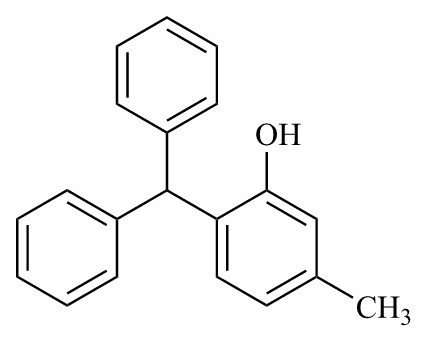
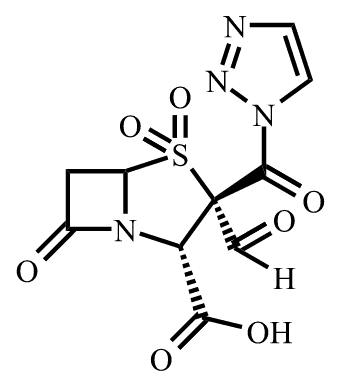
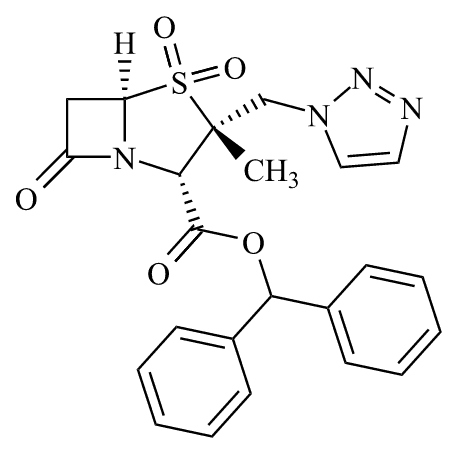
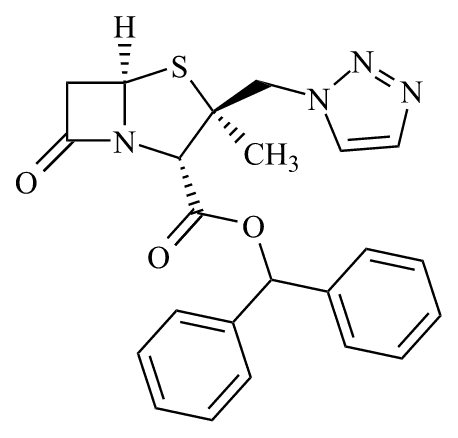
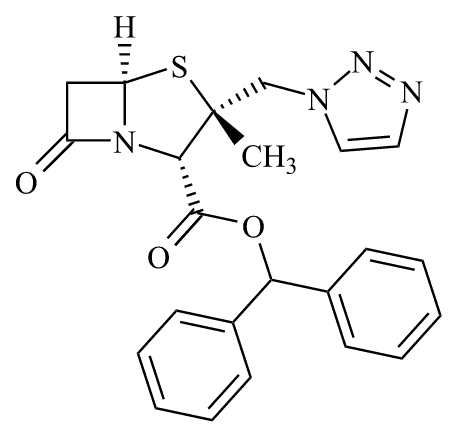
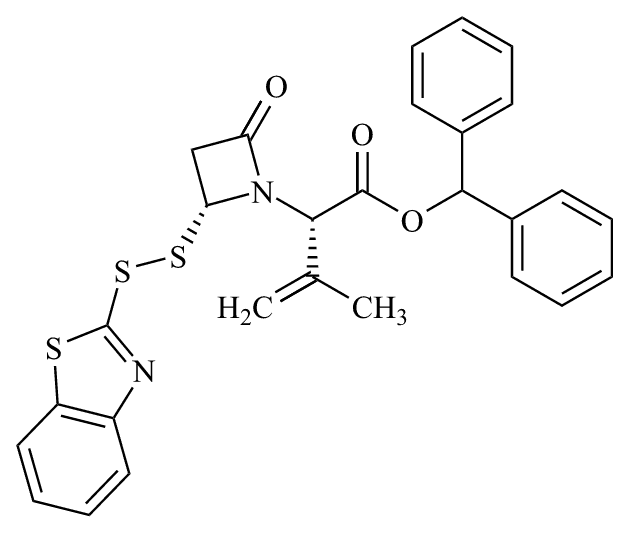
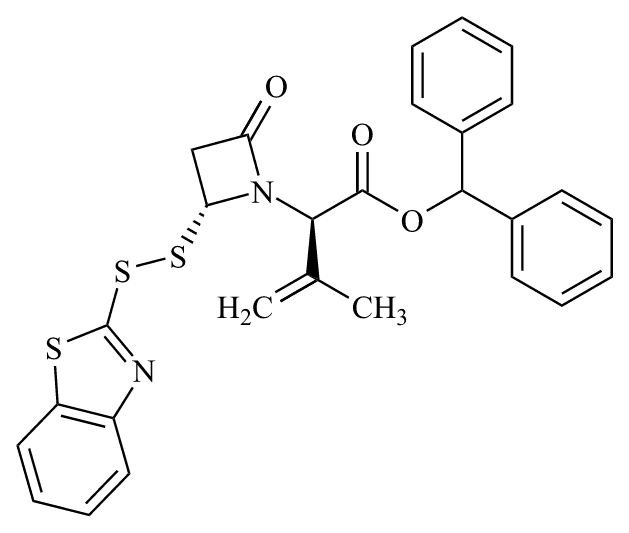
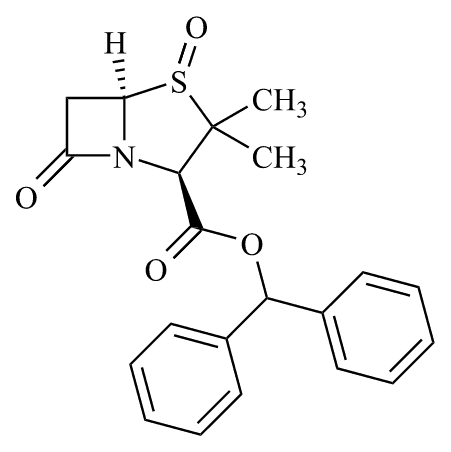
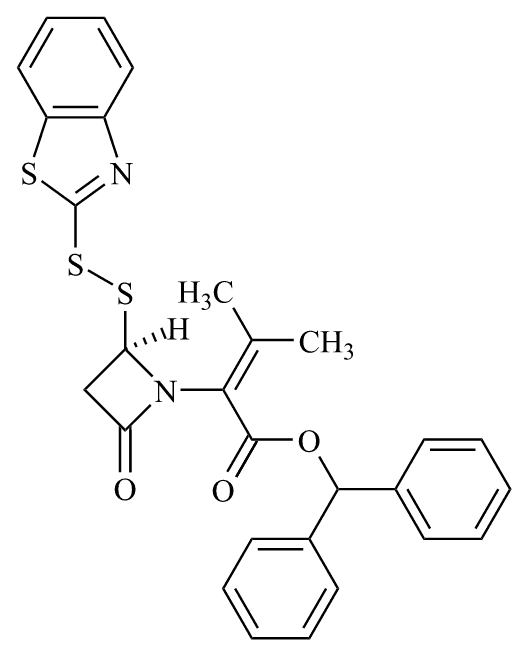
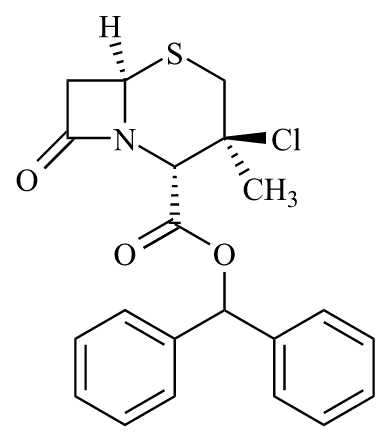
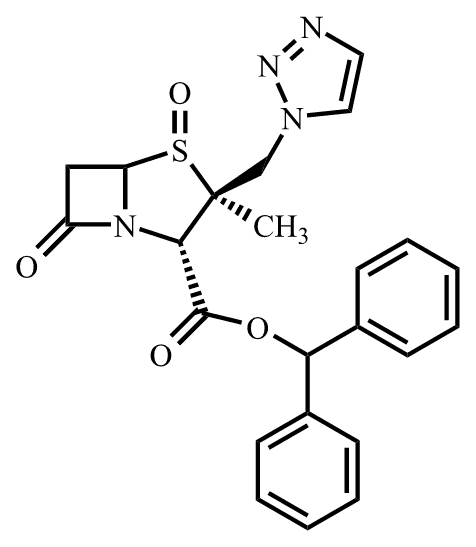
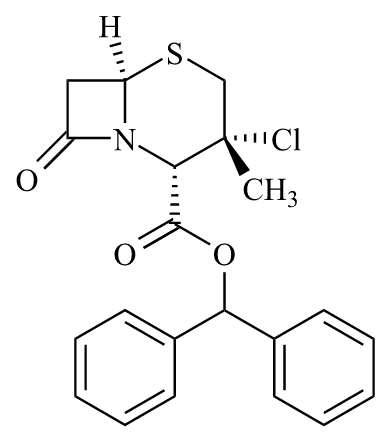


Tazobactam is a potent beta-lactamase inhibitor, categorized as an antibiotic adjuvant, which is clinically administered in combination with beta-lactam antibiotics like piperacillin to treat serious bacterial infections by preventing the enzymatic degradation of the antibiotic. Within this category, laboratories utilize high-quality reference standards, including pharmaceutical impurities, metabolites, and stable isotope labelled compounds, to support rigorous analytical testing, method validation, and quality control of the active pharmaceutical ingredient. These materials are essential for accurate impurity profiling and quantitative analysis, enabling researchers to identify process-related contaminants and degradation products throughout the product lifecycle. Stable isotope labelled versions of the drug and its related compounds serve as critical internal standards for mass spectrometry-based assays, ensuring data integrity and regulatory compliance. By using these well-characterized reference materials, pharmaceutical laboratories can maintain high standards of precision during stability studies and routine batch release testing.

