India +91 94223 00020abhay@splendidlab.comISO 17034:2016 · GLP certified
Terbinafine is an antifungal medication belonging to the allylamine class, widely prescribed to treat fungal infections of the skin and nails by inhibiting squalene epoxidase and disrupting fungal sterol… Read more
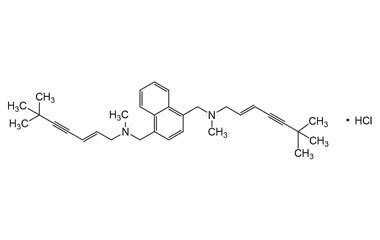
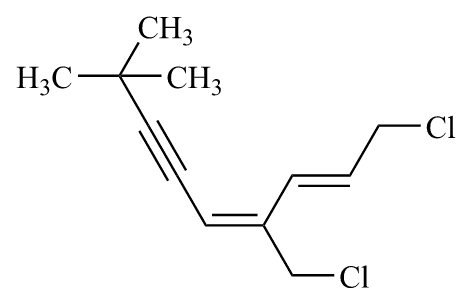

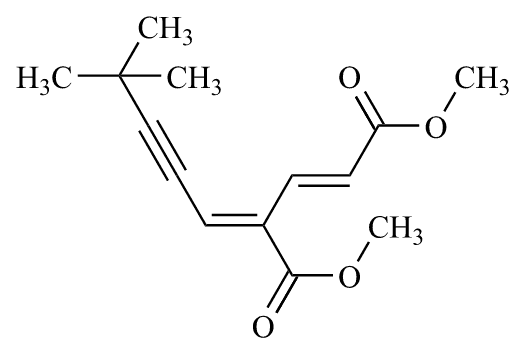


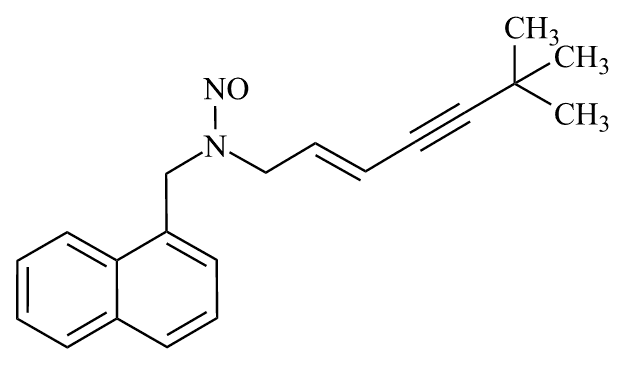



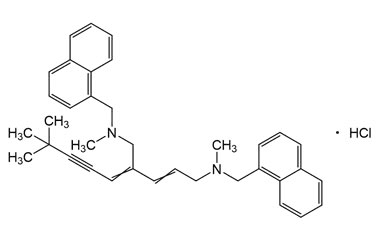




Terbinafine is an antifungal medication belonging to the allylamine class, widely prescribed to treat fungal infections of the skin and nails by inhibiting squalene epoxidase and disrupting fungal sterol synthesis. To ensure accurate pharmaceutical quality control, this category provides a comprehensive selection of Terbinafine reference standards, including the active pharmaceutical ingredient (API), pharmacopeial and non-pharmacopeial impurities, synthetic intermediates, and stable isotope-labelled compounds. Laboratories rely on these high-quality materials for precise impurity profiling, enabling the identification and quantification of degradation products or process-related contaminants. Furthermore, these compounds are essential for method development, validation of analytical techniques, and system suitability testing. By utilizing these characterized reference standards, researchers and quality assurance teams can maintain consistent drug efficacy and demonstrate regulatory compliance throughout the lifecycle of the product.

