India +91 94223 00020abhay@splendidlab.comISO 17034:2016 · GLP certified
Teriparatide is a recombinant form of parathyroid hormone (1–34) classified as an anabolic agent used to treat osteoporosis in patients at high risk of fractures. To support rigorous quality control and… Read more
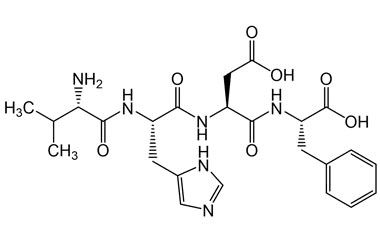


Teriparatide is a recombinant form of parathyroid hormone (1–34) classified as an anabolic agent used to treat osteoporosis in patients at high risk of fractures. To support rigorous quality control and regulatory compliance, pharmaceutical laboratories utilize a specialized range of reference standards, including synthetic impurities, related metabolites, and stable isotope labelled compounds. These high-quality materials are essential for conducting precise impurity profiling, method validation, and stability testing throughout the drug development lifecycle. By incorporating these analytical standards, scientists can effectively identify and quantify degradation products such as succinimide or oxidized variants, ensuring the safety and efficacy of the drug substance. Whether performing routine batch release or complex method development, accessing these well-characterized reference materials allows for accurate assessments of teriparatide formulation integrity.

