India +91 94223 00020abhay@splendidlab.comISO 17034:2016 · GLP certified
Thalidomide is an immunomodulatory agent belonging to the phthalimide class, utilized primarily in the treatment of multiple myeloma and the cutaneous manifestations of erythema nodosum leprosum. Because… Read more







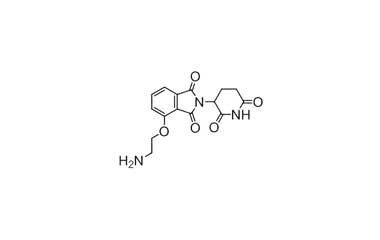












Thalidomide is an immunomodulatory agent belonging to the phthalimide class, utilized primarily in the treatment of multiple myeloma and the cutaneous manifestations of erythema nodosum leprosum. Because precise analytical quantification is essential in pharmaceutical research, this category provides a comprehensive selection of high-quality reference standards designed to support rigorous laboratory workflows. These materials include identified impurities and metabolites that are critical for accurate impurity profiling, ensuring that manufacturers can detect and monitor degradation products throughout the drug lifecycle. Furthermore, the availability of stable isotope labelled compounds facilitates advanced bioanalytical method validation and quantitative mass spectrometry studies. By utilizing these precisely characterized substances, laboratories can maintain high standards of quality control and regulatory compliance in their analytical testing, ensuring the safety and efficacy of pharmaceutical formulations while supporting the development of novel therapeutic applications for this bioactive molecule.

