India +91 94223 00020abhay@splendidlab.comISO 17034:2016 · GLP certified
Thiazole derivatives and their associated compounds represent a critical class of five-membered heterocyclic structures characterized by a ring containing both sulfur and nitrogen atoms. These molecules… Read more
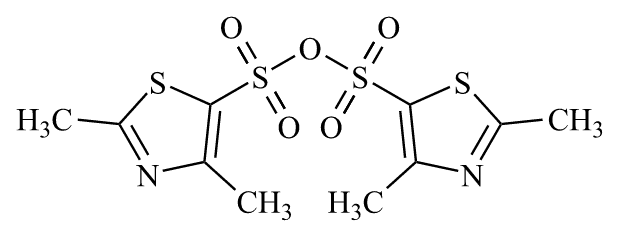

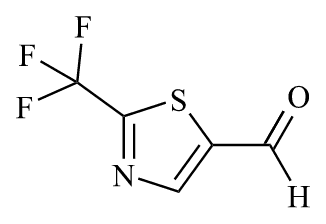
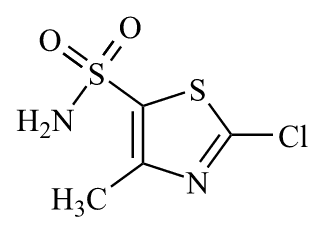
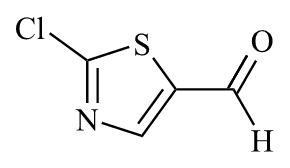
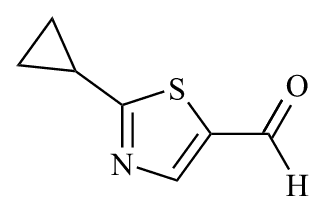
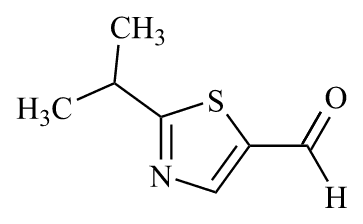
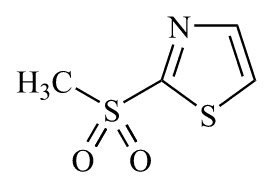
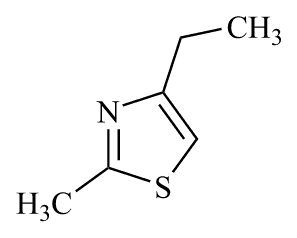
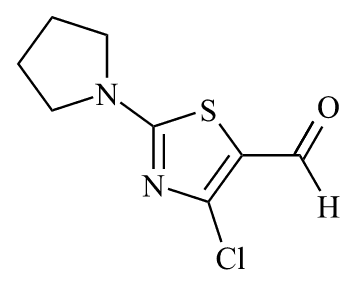
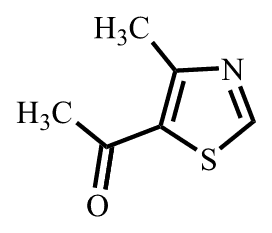
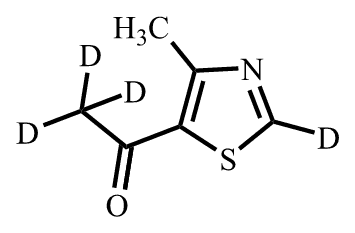
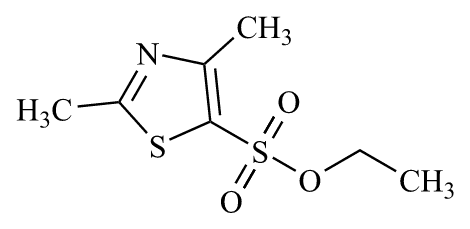
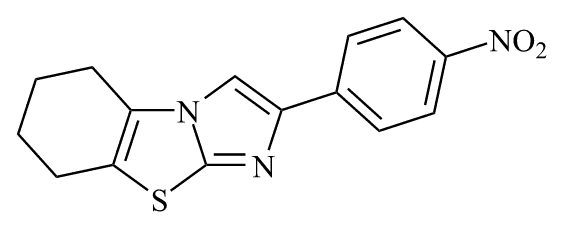
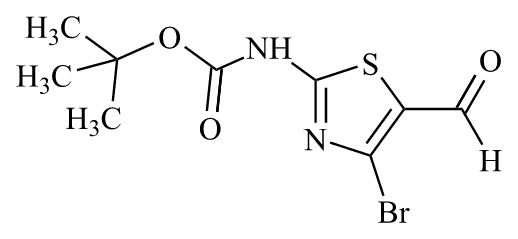

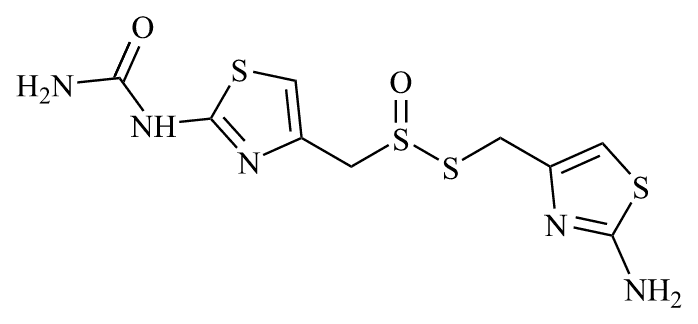
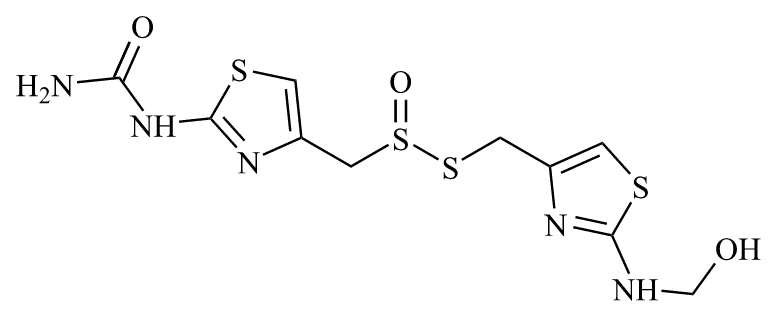
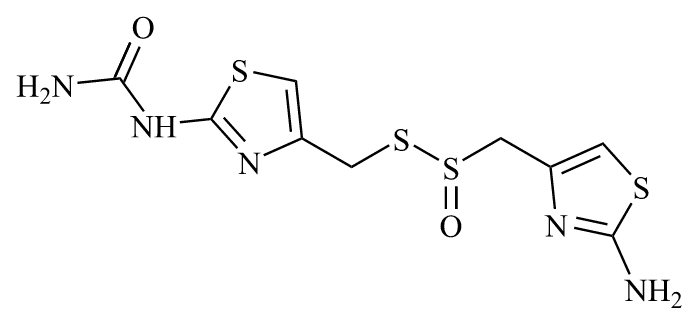
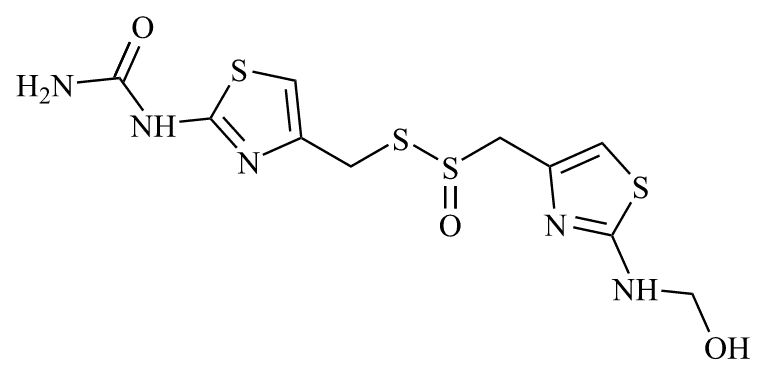
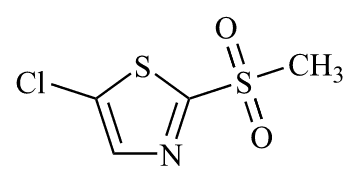
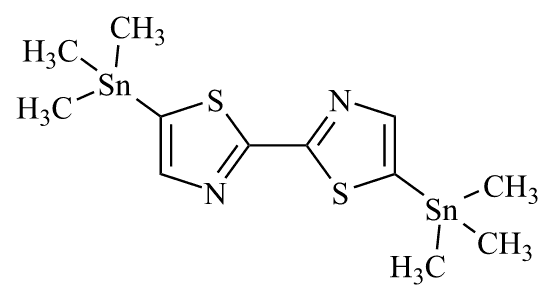
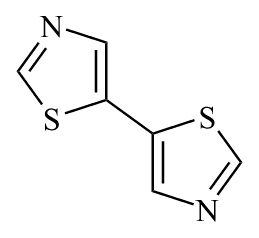
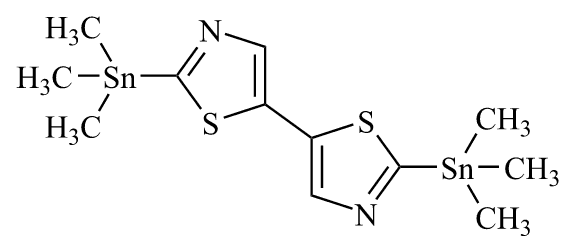
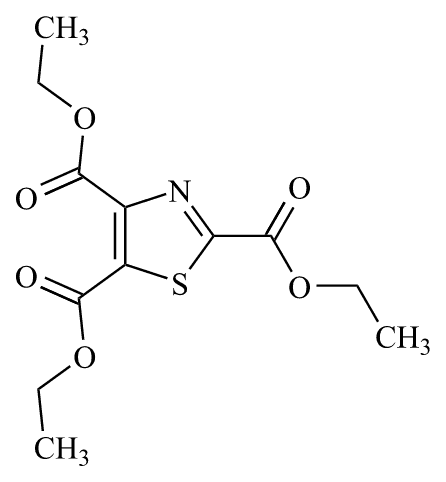
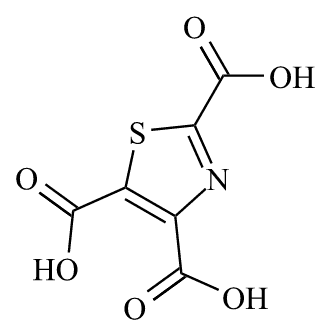

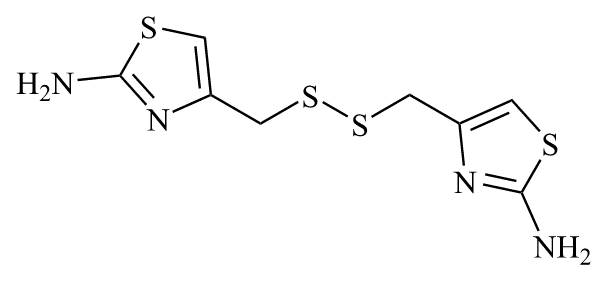

Thiazole derivatives and their associated compounds represent a critical class of five-membered heterocyclic structures characterized by a ring containing both sulfur and nitrogen atoms. These molecules serve as essential structural motifs in drug design, appearing frequently in a wide array of medicinal agents including antihypertensives, antivirals, and anticancer therapeutics. Laboratories rely on these high-quality reference standards, including synthetic derivatives, process-related impurities, and stable isotope-labelled compounds, to perform rigorous analytical testing and method validation. By utilizing these materials, researchers can accurately conduct impurity profiling and ensure strict quality control during the development and manufacturing of thiazole-containing drug candidates. These compounds provide the necessary analytical foundation for identifying degradation products, monitoring stability, and characterizing metabolic pathways, supporting precise chemical analysis throughout the pharmaceutical life cycle.

