India +91 94223 00020abhay@splendidlab.comISO 17034:2016 · GLP certified
Thioctic acid, also known as alpha-lipoic acid, is an organosulfur compound derived from octanoic acid that functions as a potent antioxidant, playing a key role in mitochondrial energy metabolism and… Read more


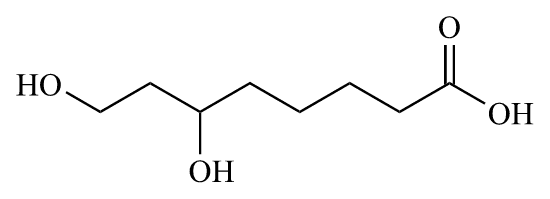


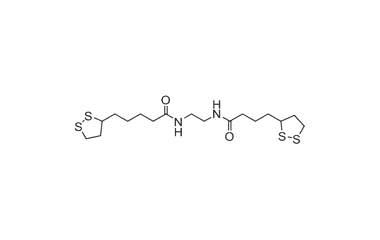


Thioctic acid, also known as alpha-lipoic acid, is an organosulfur compound derived from octanoic acid that functions as a potent antioxidant, playing a key role in mitochondrial energy metabolism and the treatment of diabetic neuropathy. In pharmaceutical laboratories, accurate analysis of this drug is essential for ensuring product safety and efficacy. This category includes comprehensive reference standards for thioctic acid, alongside a wide range of pharmacopeial and non-pharmacopeial impurities and metabolites. These materials are vital for robust impurity profiling and method validation, allowing researchers to identify and quantify degradation products and process-related impurities with precision. Additionally, stable isotope labelled compounds are available to serve as high-quality internal standards in mass spectrometry and other analytical techniques, supporting reliable quantification in complex matrices. These reference materials are fundamental for maintaining rigorous quality control and meeting regulatory requirements throughout the drug development lifecycle.

