India +91 94223 00020abhay@splendidlab.comISO 17034:2016 · GLP certified
Thioridazine is a phenothiazine-class typical antipsychotic drug historically indicated for the treatment of schizophrenia and severe behavioral disorders. It acts primarily as an antagonist at dopamine… Read more
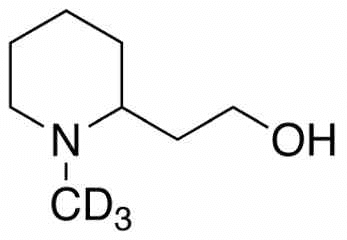
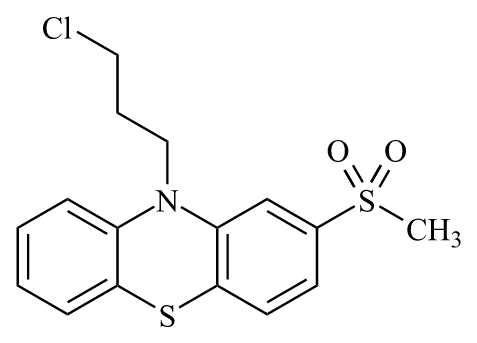
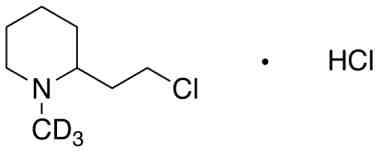
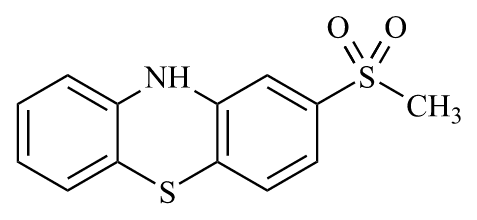
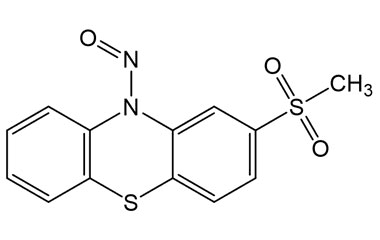
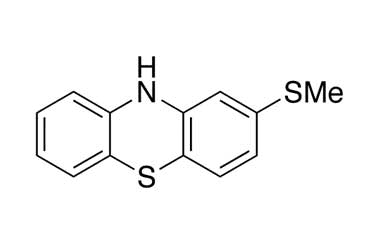
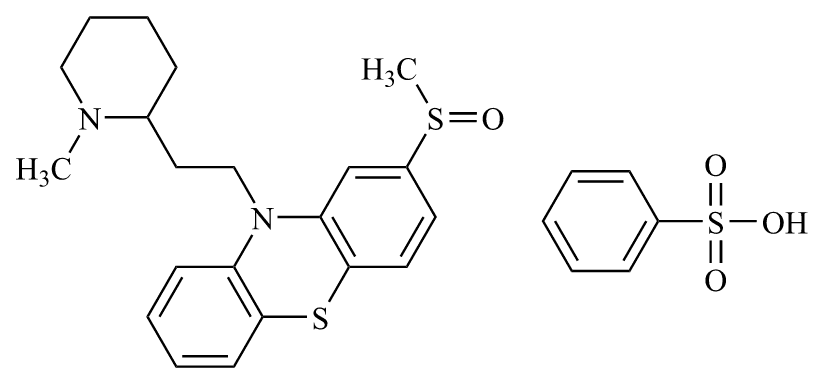

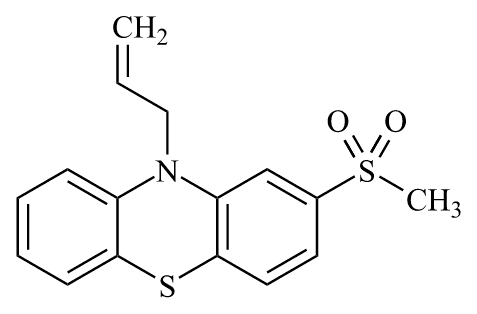


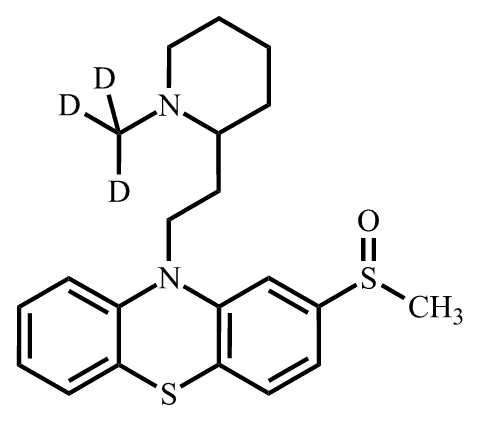

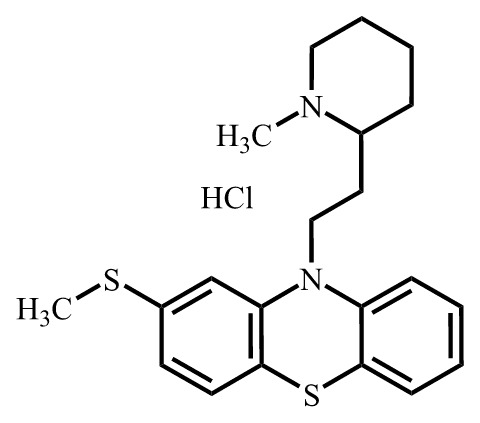

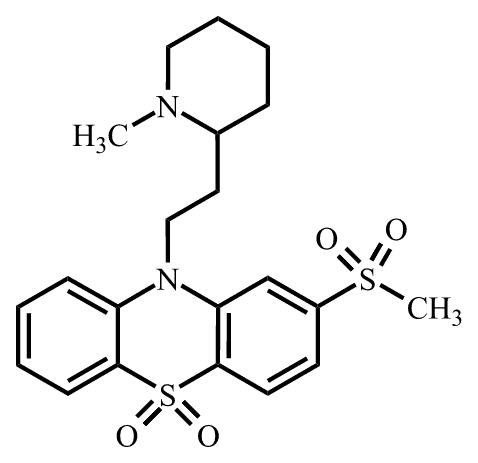
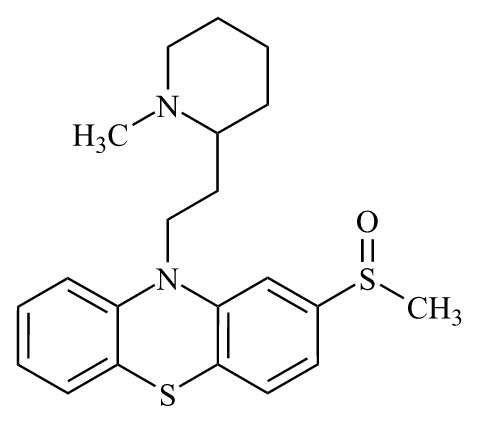
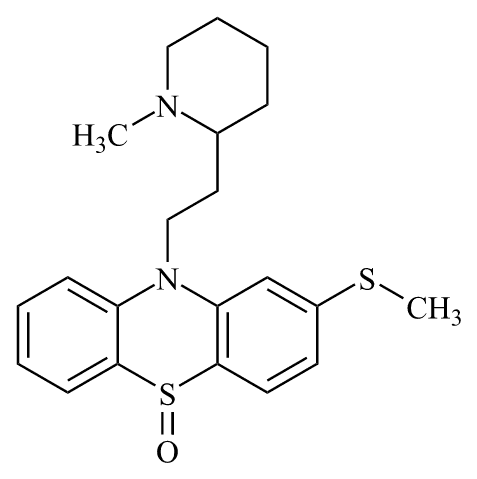
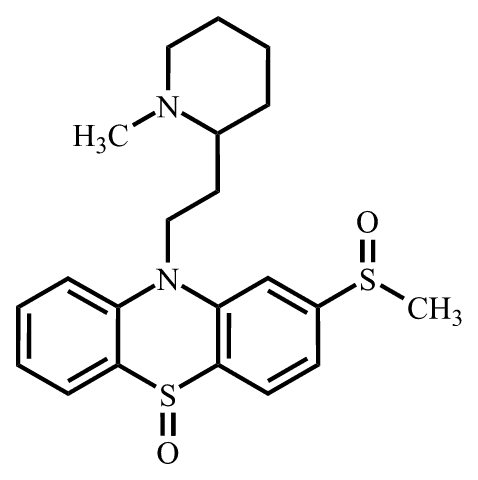
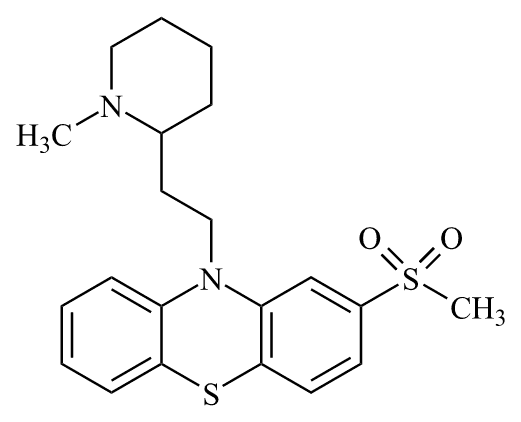
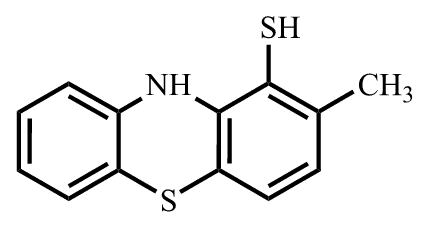

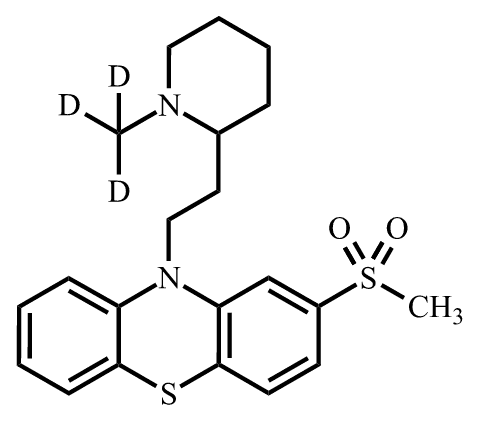
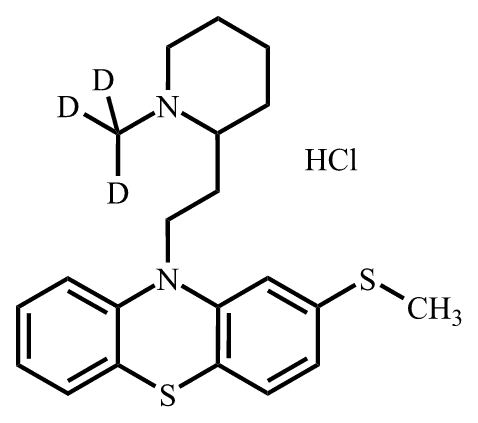
Thioridazine is a phenothiazine-class typical antipsychotic drug historically indicated for the treatment of schizophrenia and severe behavioral disorders. It acts primarily as an antagonist at dopamine D2 and serotonin 5-HT2A receptors to regulate neurotransmitter activity within the central nervous system. To support comprehensive quality control and regulatory compliance, pharmaceutical laboratories require high-quality reference standards of the active pharmaceutical ingredient, along with a broad range of its related compounds. These include pharmacopeial and non-pharmacopeial impurities, such as oxidative degradation products like sulfoxides and sulfones, which are essential for rigorous impurity profiling and stability studies. Furthermore, stable isotope labelled compounds are available to assist in method validation and sensitive analytical testing, ensuring accurate identification and quantification of the drug and its metabolites across complex matrices.

