India +91 94223 00020abhay@splendidlab.comISO 17034:2016 · GLP certified
Tigecycline is a glycylcycline antibiotic derived from the tetracycline class, indicated for the treatment of serious bacterial infections caused by multidrug-resistant gram-positive and gram-negative… Read more


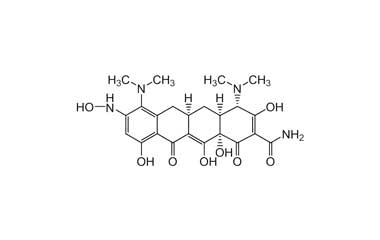


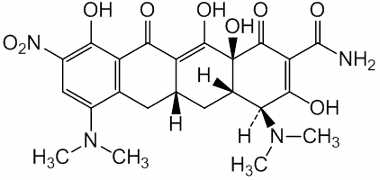
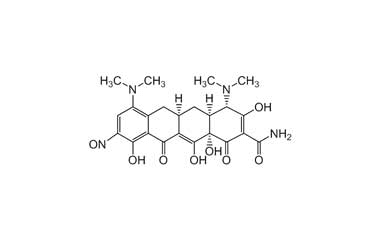


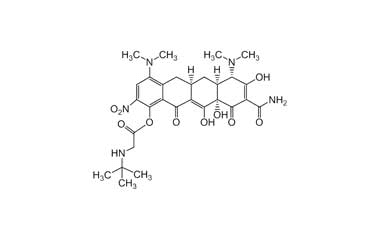

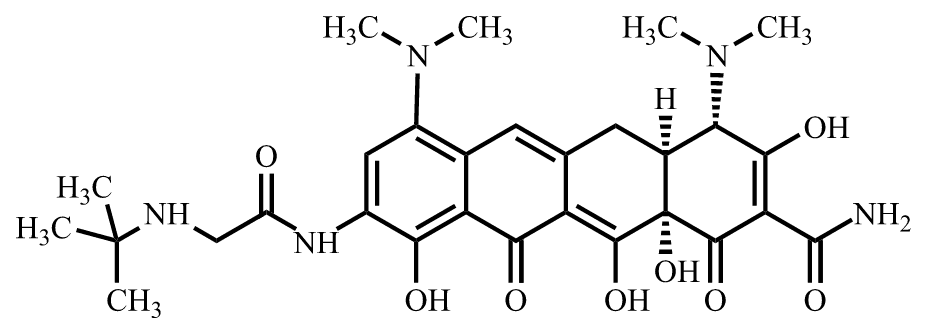
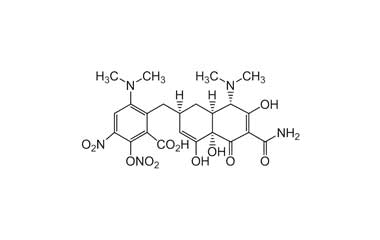

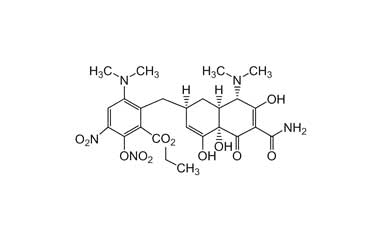


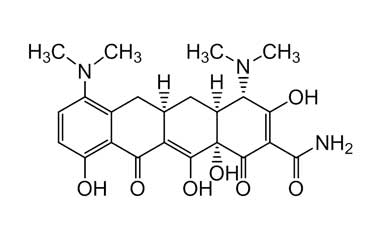
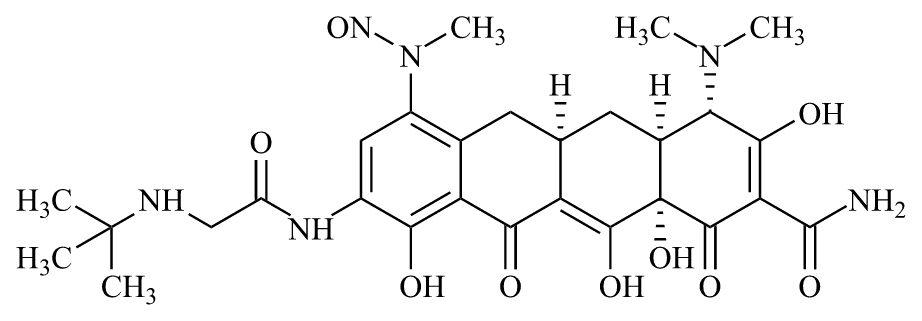
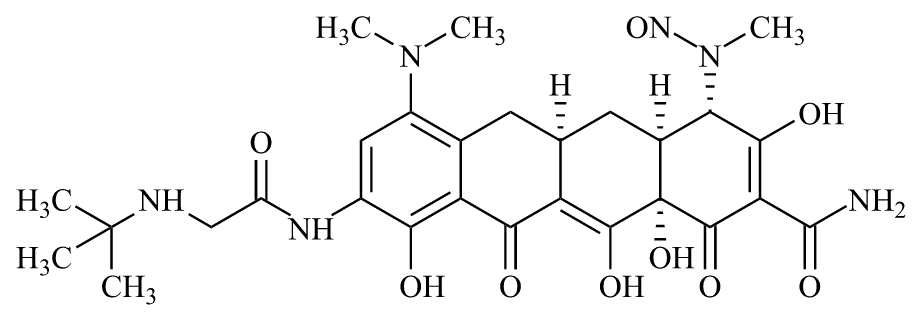
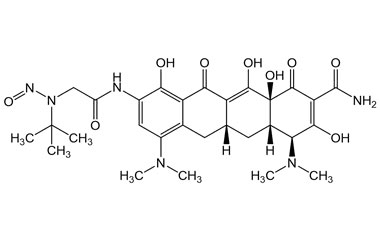
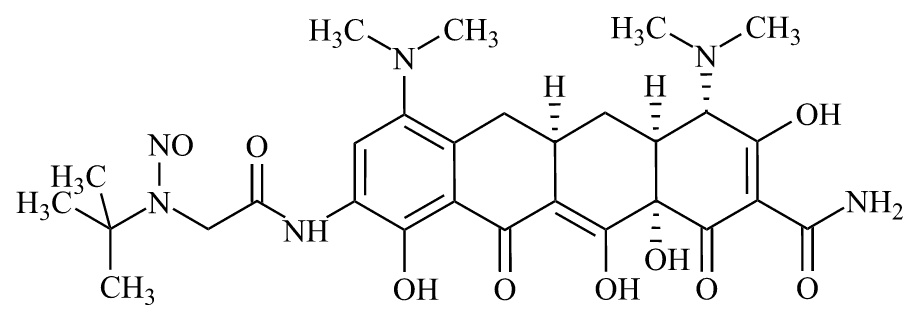
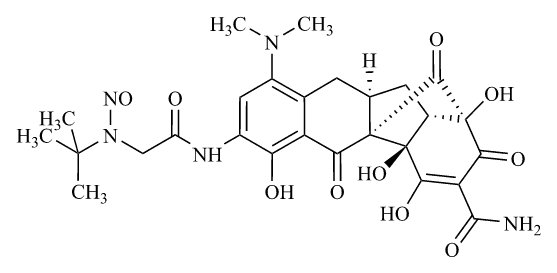
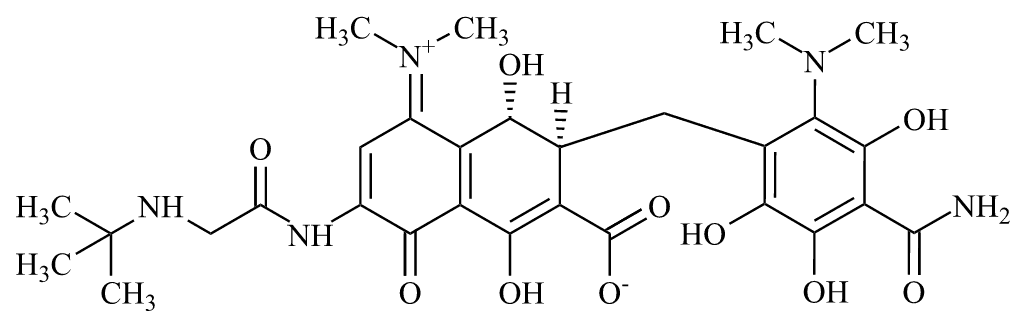
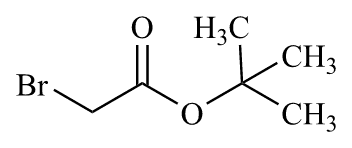
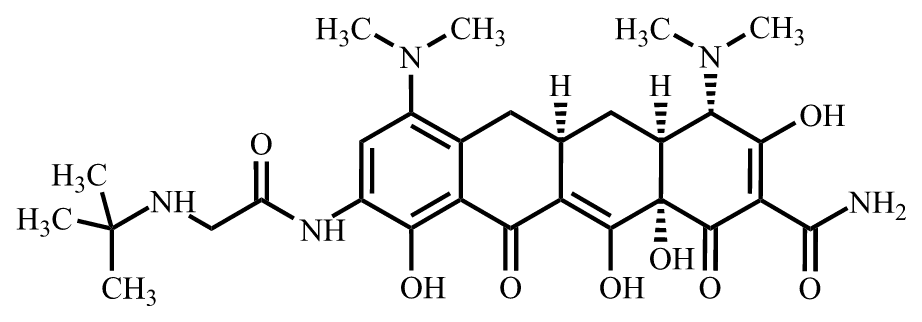


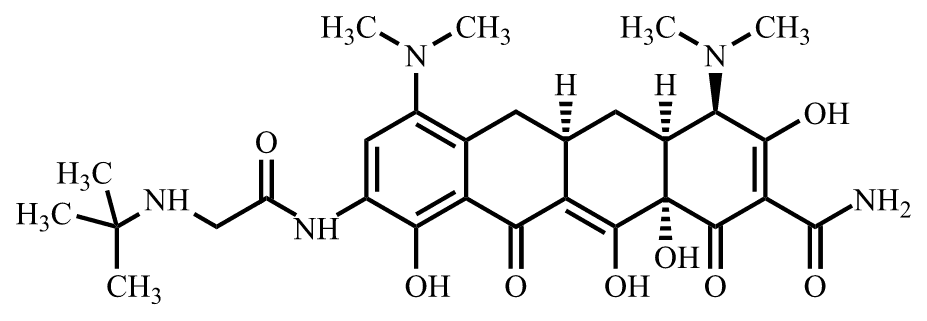

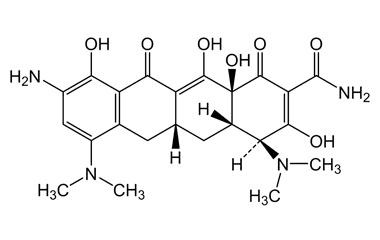
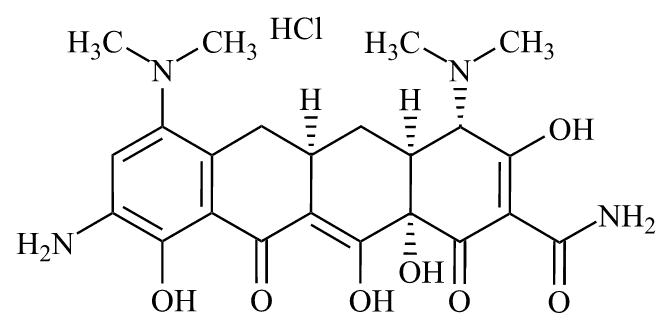
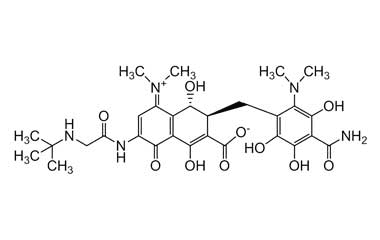

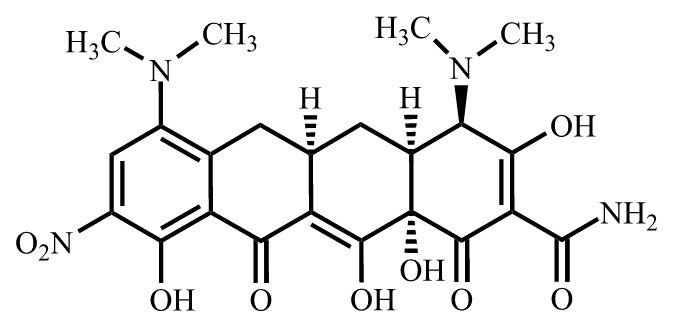
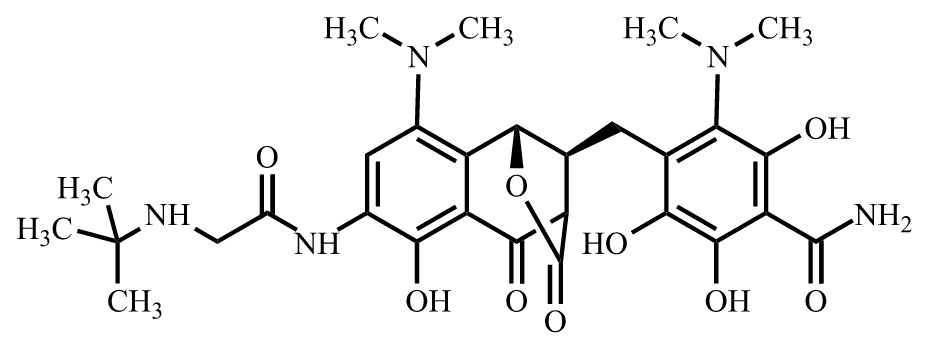
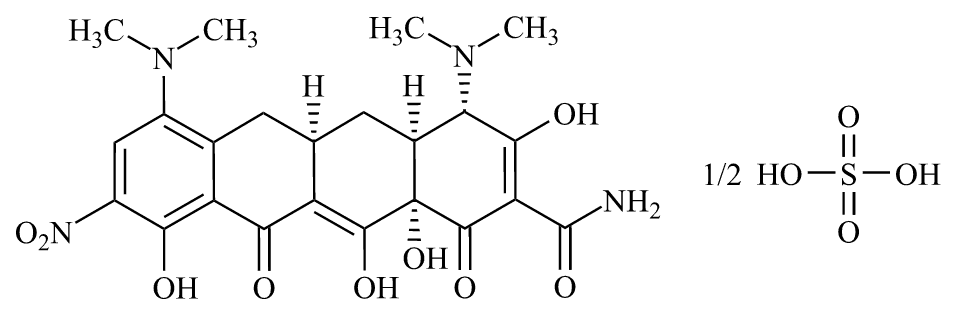
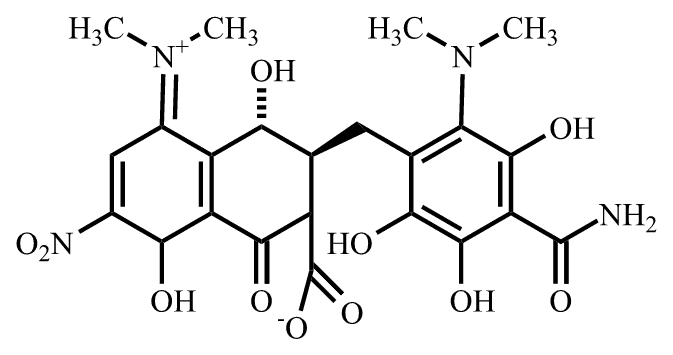
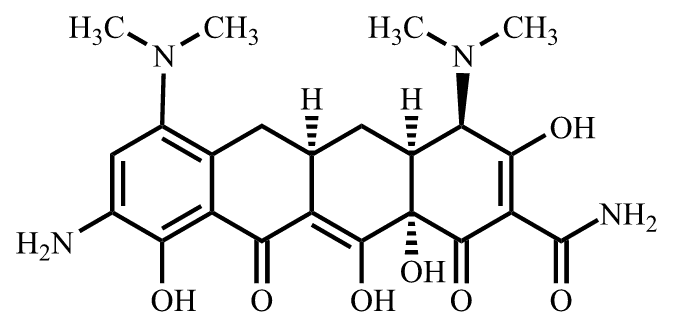
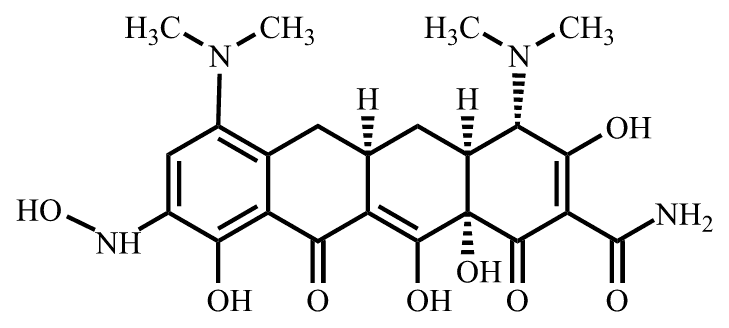
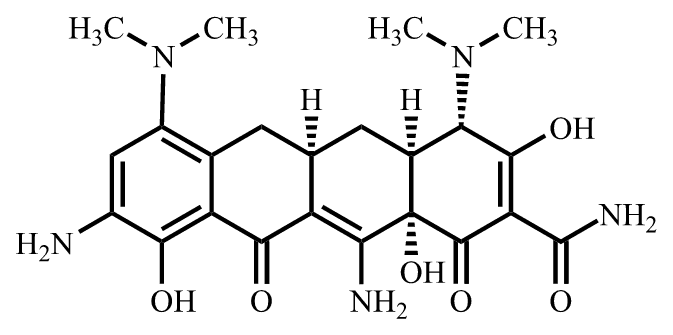
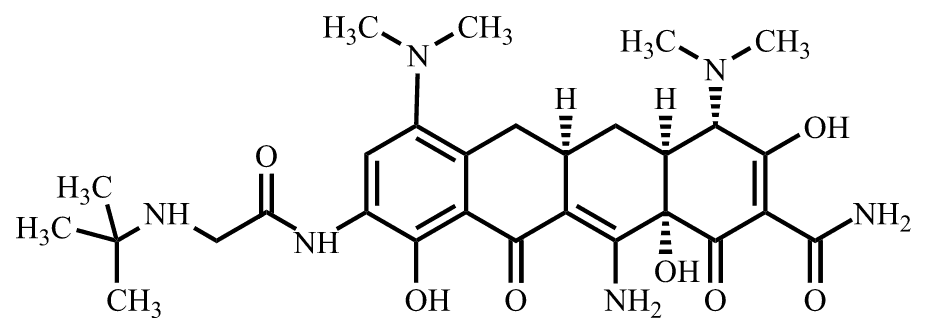
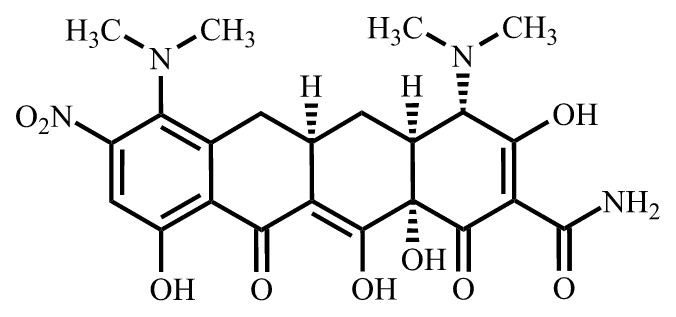
Tigecycline is a glycylcycline antibiotic derived from the tetracycline class, indicated for the treatment of serious bacterial infections caused by multidrug-resistant gram-positive and gram-negative pathogens by inhibiting bacterial protein synthesis via binding to the 30S ribosomal subunit. To support precise analytical testing, pharmaceutical laboratories utilize a wide range of Tigecycline reference standards, including synthetic impurities, process-related degradation products, and metabolites. Stable isotope labelled compounds are also essential for accurate quantification and recovery assessments during mass spectrometry-based analysis. These standards are critical for comprehensive impurity profiling, method validation, and rigorous quality control, ensuring that drug substances meet established regulatory requirements and safety standards throughout the manufacturing and stability testing processes. By facilitating the identification and monitoring of both pharmacopeial and non-pharmacopeial impurities, these tools assist researchers in maintaining the therapeutic consistency and high chemical standards necessary for modern pharmaceutical development.

