India +91 94223 00020abhay@splendidlab.comISO 17034:2016 · GLP certified
Timolol is a non-selective beta-adrenergic antagonist primarily used in the management of ocular hypertension and open-angle glaucoma by reducing intraocular pressure, as well as in the treatment of hypertension,… Read more

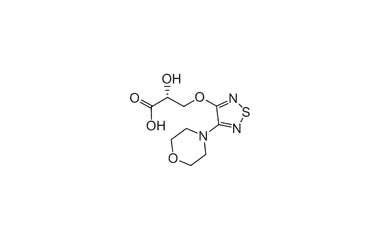
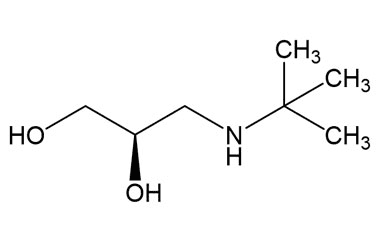

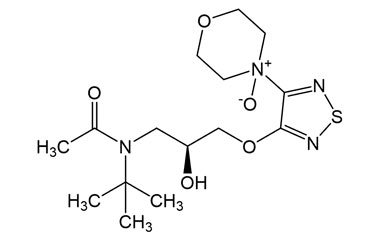
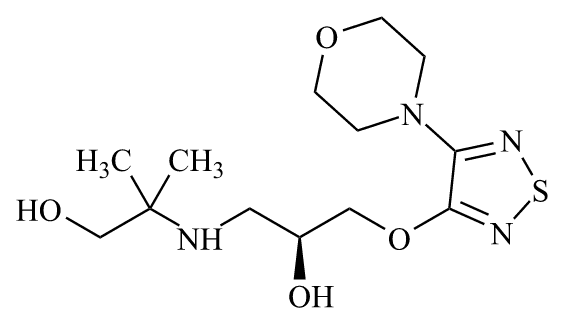
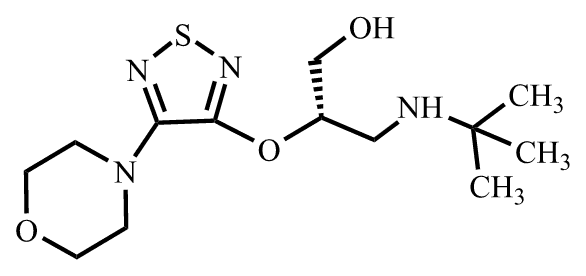
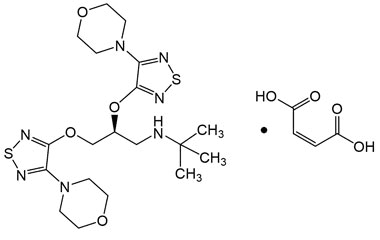
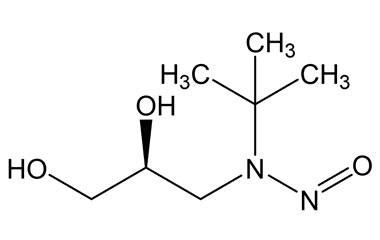


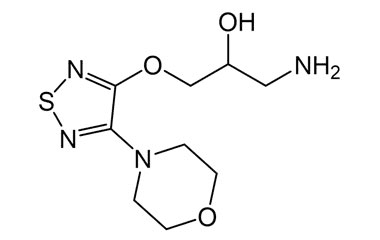
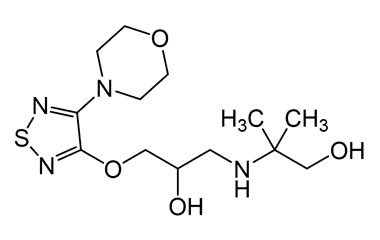
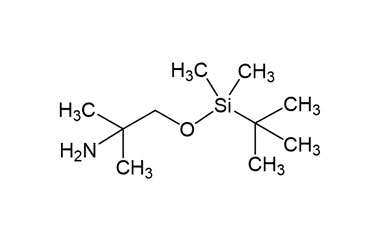
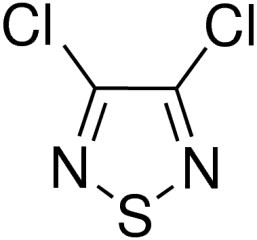
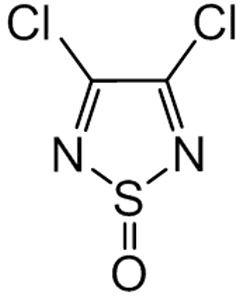
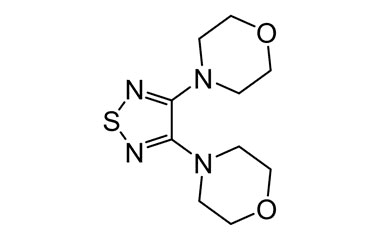
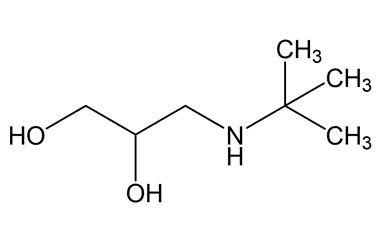
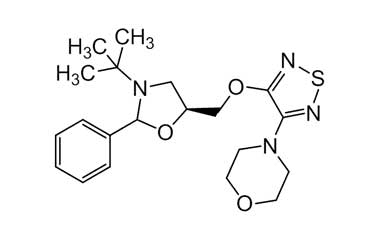
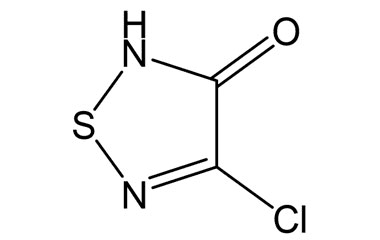

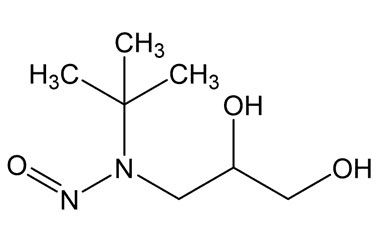
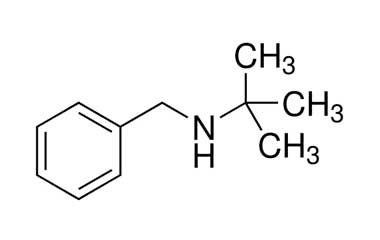

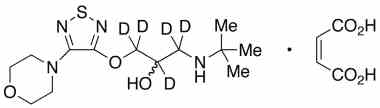
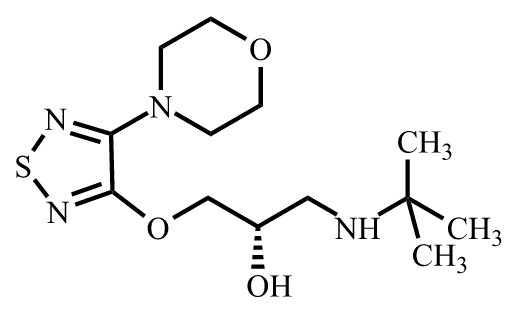
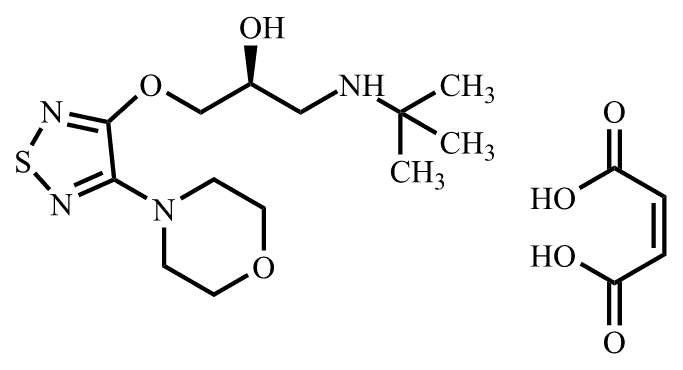

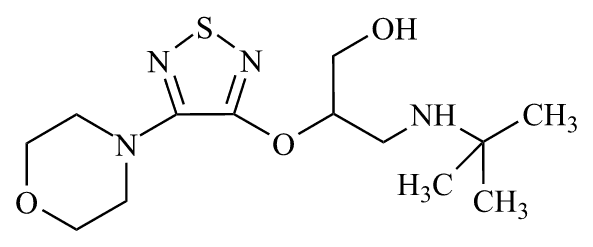
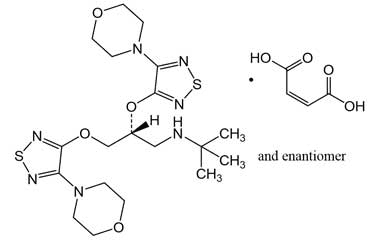
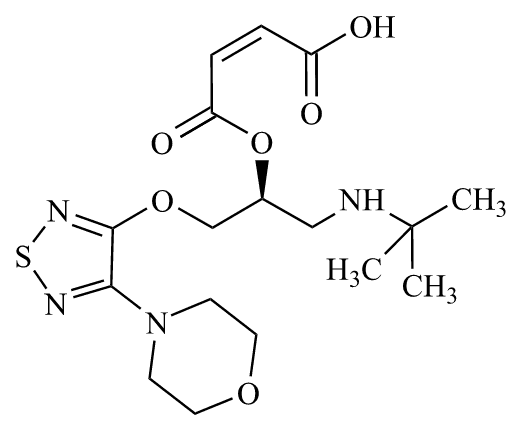
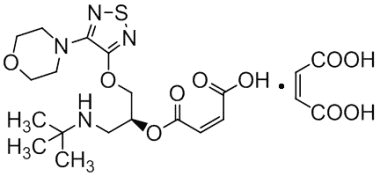

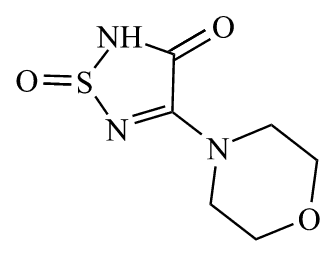
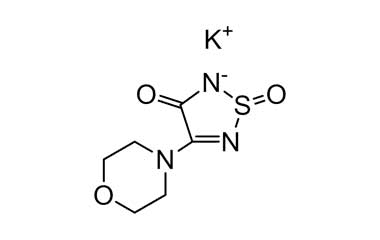
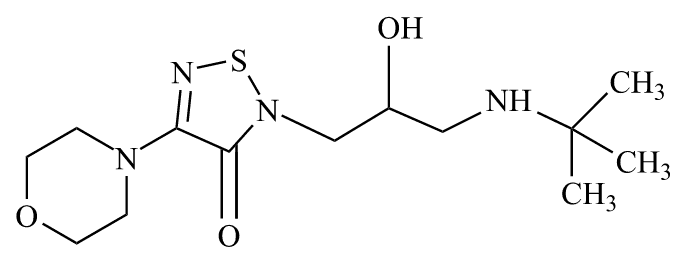


Timolol is a non-selective beta-adrenergic antagonist primarily used in the management of ocular hypertension and open-angle glaucoma by reducing intraocular pressure, as well as in the treatment of hypertension, angina, and the prevention of migraines. To ensure the safety and efficacy of pharmaceutical formulations, laboratories rely on a comprehensive range of Timolol reference standards, including pharmacopeial and non-pharmacopeial impurities, degradation products, and synthetic intermediates. These compounds are essential for rigorous impurity profiling, analytical method development, and quality control testing, allowing for the precise identification and quantification of related substances. Furthermore, stable isotope labelled versions of the drug and its derivatives are critical for advanced method validation and accurate tracking in complex biological matrices. By utilizing these characterized reference materials, researchers can maintain compliance with global regulatory frameworks during batch release and stability studies, ensuring the consistent quality of the therapeutic agent.

