India +91 94223 00020abhay@splendidlab.comISO 17034:2016 · GLP certified
Tinidazole is a nitroimidazole anti-parasitic agent used to treat protozoan infections such as giardiasis and amebiasis, as well as various anaerobic bacterial conditions. This therapeutic efficacy relies… Read more
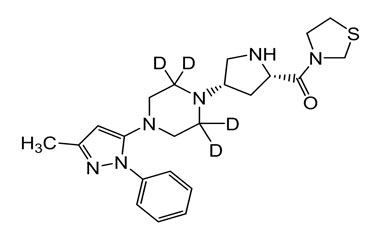
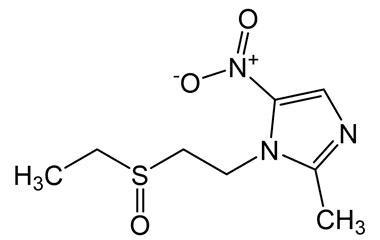


Tinidazole is a nitroimidazole anti-parasitic agent used to treat protozoan infections such as giardiasis and amebiasis, as well as various anaerobic bacterial conditions. This therapeutic efficacy relies on the drug's ability to undergo nitroreduction within anaerobic environments, which causes DNA strand breaks that inhibit microbial replication. To ensure therapeutic safety and strict quality control, pharmaceutical laboratories utilize high-quality reference standards for Tinidazole and its associated compounds. This collection includes pharmacopeial and non-pharmacopeial impurities, degradation products, and metabolites, which are essential for impurity profiling and method validation. Additionally, stable isotope labelled compounds are available to support precise analytical testing, including liquid chromatography-mass spectrometry (LC-MS) applications. By providing these well-characterized materials, laboratories can accurately monitor potential by-products formed during synthesis or storage, ensuring compliance with international regulatory standards throughout the drug development and manufacturing lifecycle.

