India +91 94223 00020abhay@splendidlab.comISO 17034:2016 · GLP certified
Trandolapril is an angiotensin-converting enzyme (ACE) inhibitor widely used to treat hypertension and improve survival outcomes following a myocardial infarction. Its primary mechanism involves blocking… Read more


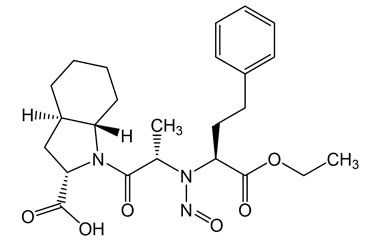
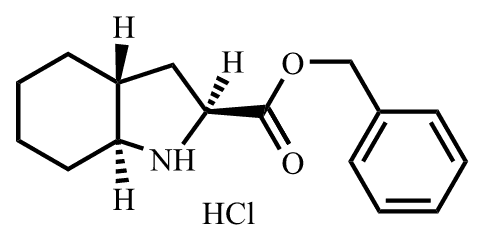
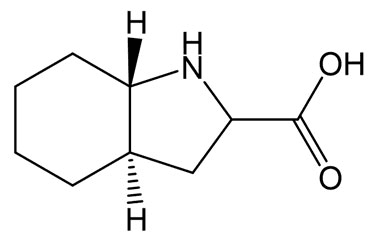
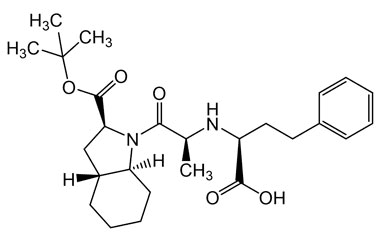
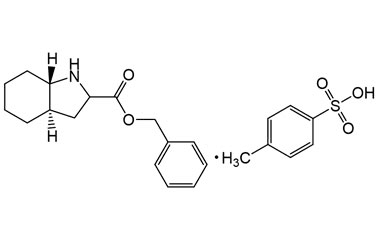
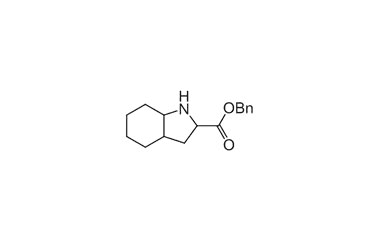
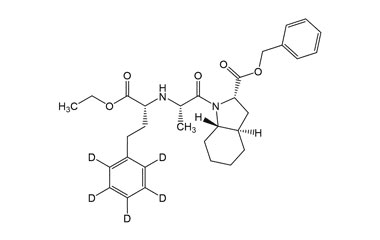
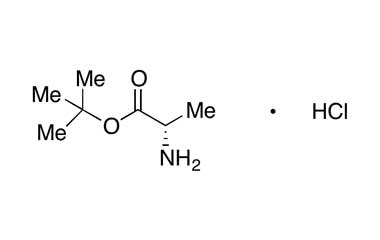
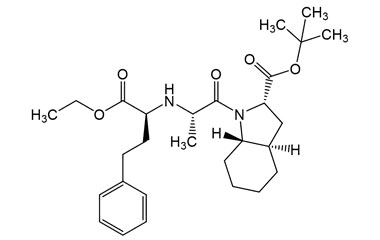
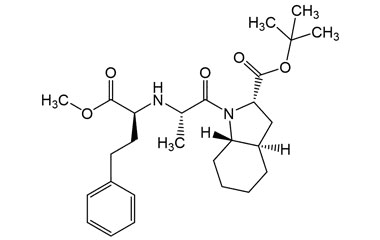
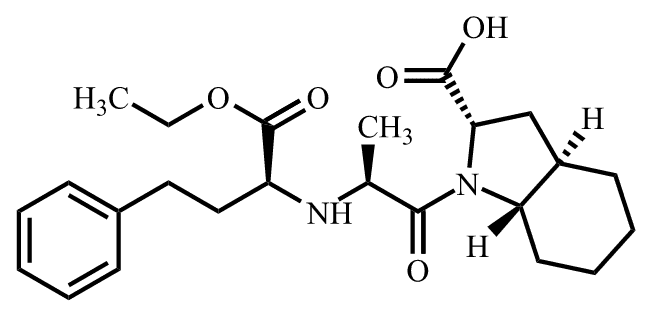


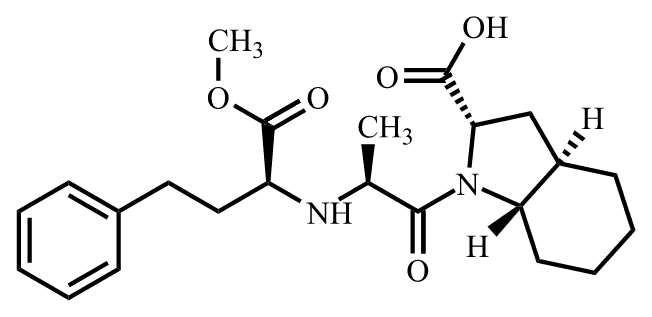
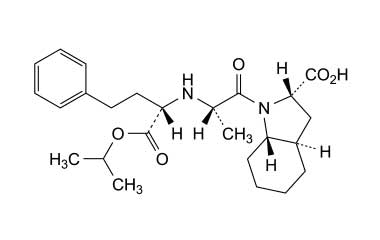
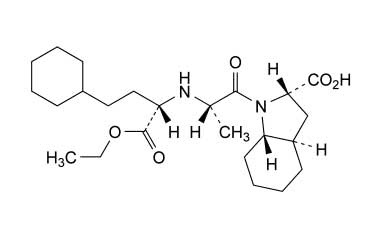
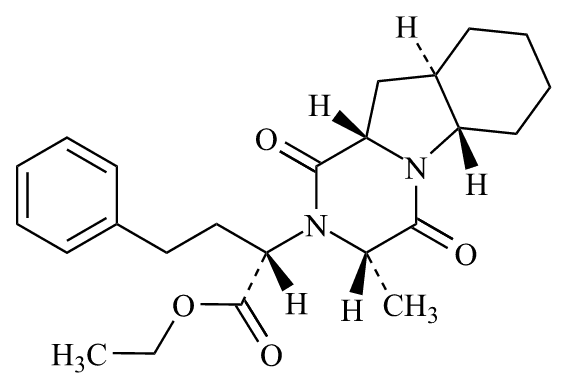
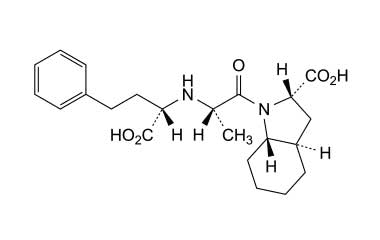
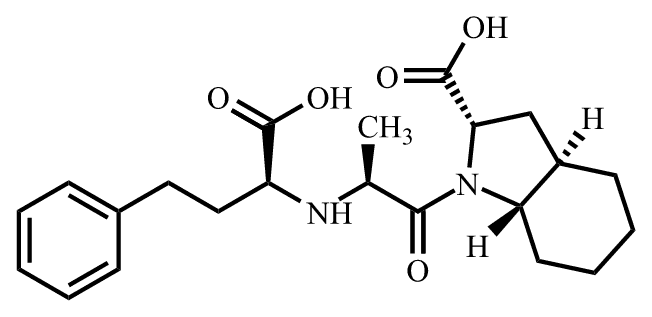
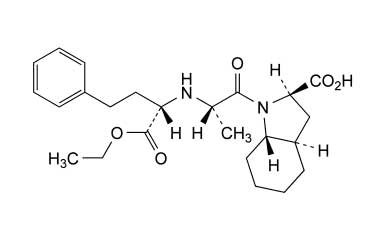
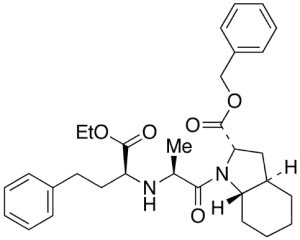
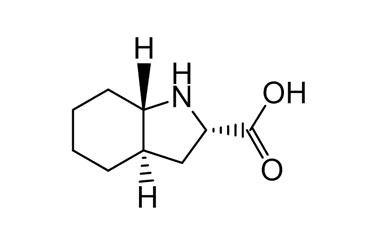
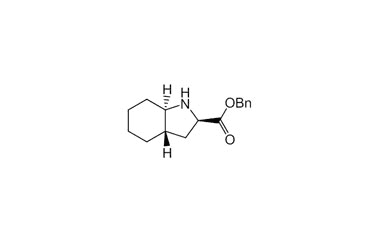


Trandolapril is an angiotensin-converting enzyme (ACE) inhibitor widely used to treat hypertension and improve survival outcomes following a myocardial infarction. Its primary mechanism involves blocking the conversion of angiotensin I to angiotensin II, effectively lowering blood pressure and reducing cardiac workload. To support the rigorous demands of pharmaceutical quality control, this category provides a comprehensive selection of reference standards, including the active pharmaceutical ingredient, pharmacopeial and non-pharmacopeial impurities, and stable isotope labelled compounds. These materials are essential for pharmaceutical laboratories during analytical method validation, stability testing, and routine impurity profiling. By providing access to synthetic intermediates, degradation products, and process-related impurities, these reference standards enable accurate identification and quantification, ensuring that drug formulations meet strict regulatory requirements for safety and therapeutic efficacy throughout the development and manufacturing lifecycle.

