India +91 94223 00020abhay@splendidlab.comISO 17034:2016 · GLP certified
Tricyclazole is a systemic fungicide belonging to the triazole chemical class, widely utilized in agriculture to manage rice blast disease caused by the pathogen Magnaporthe grisea. By inhibiting melanin… Read more


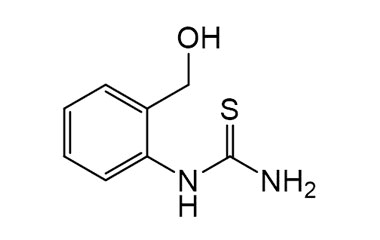
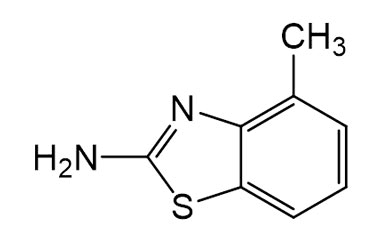


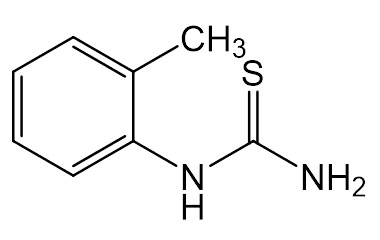
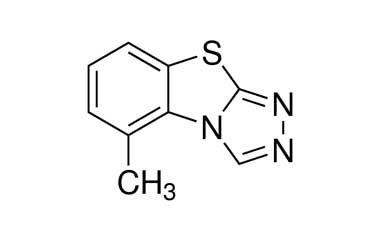
Tricyclazole is a systemic fungicide belonging to the triazole chemical class, widely utilized in agriculture to manage rice blast disease caused by the pathogen Magnaporthe grisea. By inhibiting melanin biosynthesis within the fungal cells, it prevents the development of appressoria, effectively stopping the infection. This category features high-quality reference standards for Tricyclazole, including its pharmacopeial and non-pharmacopeial impurities, metabolites, and stable isotope-labelled compounds. These reference materials are critical for laboratories performing rigorous analytical testing, impurity profiling, and method validation to ensure the quality, purity, and consistency of the active ingredient during manufacturing and regulatory compliance. Researchers rely on these well-characterized standards to accurately identify and quantify degradants and synthesis by-products, supporting the essential quality control processes required for standardized agrochemical analysis.

