India +91 94223 00020abhay@splendidlab.comISO 17034:2016 · GLP certified
Trimebutine is a gastrointestinal antispasmodic agent that acts as a peripheral opioid receptor agonist, commonly indicated for the treatment of irritable bowel syndrome and various motility disorders.… Read more


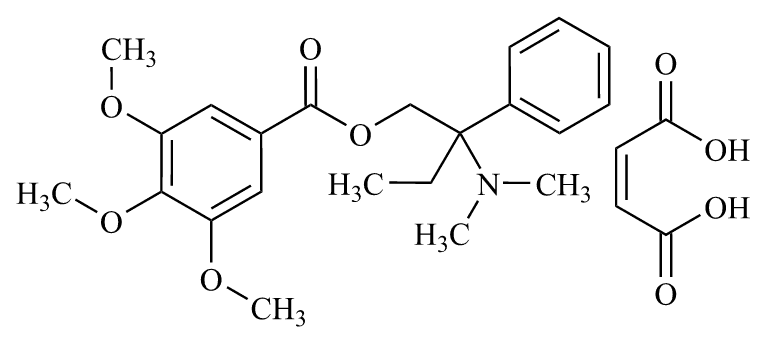


Trimebutine is a gastrointestinal antispasmodic agent that acts as a peripheral opioid receptor agonist, commonly indicated for the treatment of irritable bowel syndrome and various motility disorders. Laboratories rely on high-quality reference standards of the active pharmaceutical ingredient, alongside its related impurities and metabolites, to ensure rigorous quality control and regulatory compliance. This category includes pharmacopeial and non-pharmacopeial impurities, such as N-desmethyl and N-nitroso derivatives, which are essential for precise impurity profiling and the validation of analytical methods. Furthermore, stable isotope labelled compounds are available to serve as reliable internal standards in quantitative mass spectrometry, facilitating accurate pharmacokinetic studies and metabolic analysis. By utilizing these characterized reference materials, researchers can effectively monitor product stability and detect degradants formed through pathways like ester hydrolysis or oxidation during drug development and manufacturing.

