India +91 94223 00020abhay@splendidlab.comISO 17034:2016 · GLP certified
Tripelennamine hydrochloride is a first-generation antihistamine that functions as a histamine H1 receptor antagonist to alleviate pruritus and symptoms of allergic reactions, including hay fever and urticaria.… Read more
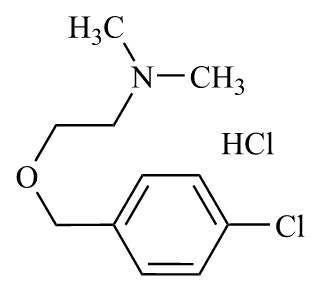


Tripelennamine hydrochloride is a first-generation antihistamine that functions as a histamine H1 receptor antagonist to alleviate pruritus and symptoms of allergic reactions, including hay fever and urticaria. This category provides essential reference standards for the active drug, along with related impurities, metabolites, and stable isotope labelled compounds required for comprehensive pharmaceutical analysis. Laboratories utilize these materials for rigorous method validation, quality control, and impurity profiling during development and stability testing. Stable isotope labelled standards are especially useful as internal references in liquid chromatography-mass spectrometry assays, where they help ensure high precision and sensitivity in analytical results. By maintaining access to accurately characterized standards, researchers can meet regulatory expectations for drug purity and consistency throughout the product lifecycle.

