India +91 94223 00020abhay@splendidlab.comISO 17034:2016 · GLP certified
Vancomycin hydrochloride is a glycopeptide antibiotic primarily used to treat serious bacterial infections, including those caused by methicillin-resistant Staphylococcus aureus. As a critical pharmaceutical… Read more


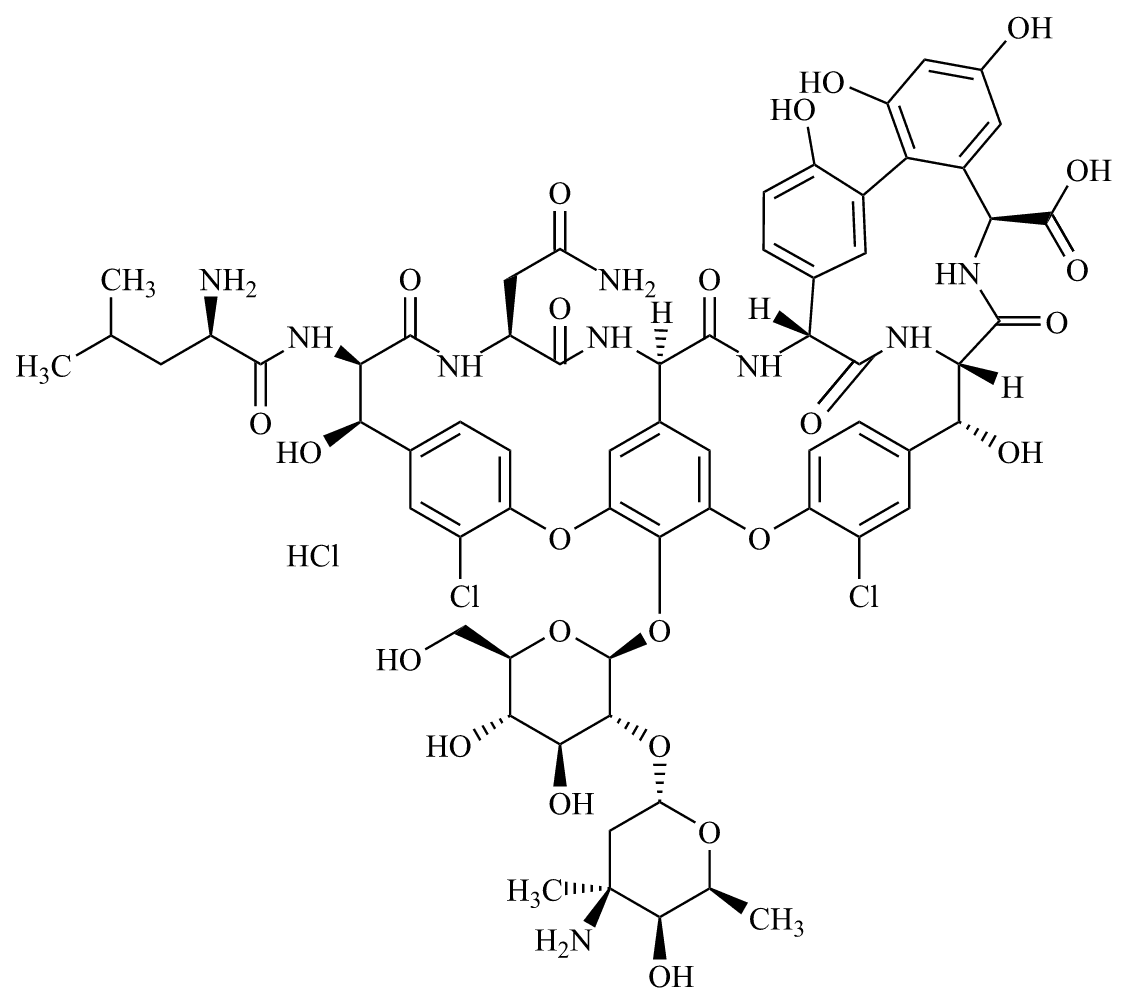


Vancomycin hydrochloride is a glycopeptide antibiotic primarily used to treat serious bacterial infections, including those caused by methicillin-resistant Staphylococcus aureus. As a critical pharmaceutical agent, ensuring its efficacy and safety profile requires rigorous analytical monitoring throughout the drug development and manufacturing process. This category features high-quality reference standards, including the active pharmaceutical ingredient, pharmacopeial and non-pharmacopeial impurities, and relevant metabolites. Pharmaceutical laboratories utilize these materials for impurity profiling, method validation, and routine quality control testing. By incorporating these well-characterized standards, as well as stable isotope labelled compounds for precise quantitative analysis, researchers can accurately monitor for potential degradation products and process-related impurities. These analytical tools are essential for meeting regulatory requirements and ensuring the consistent purity and stability of vancomycin hydrochloride formulations in clinical and research settings.

