India +91 94223 00020abhay@splendidlab.comISO 17034:2016 · GLP certified
Vitamin B12, also known as cobalamin, is a vital water-soluble B-complex vitamin that acts as an essential cofactor for red blood cell formation, DNA synthesis, and neurological health. It is commonly… Read more

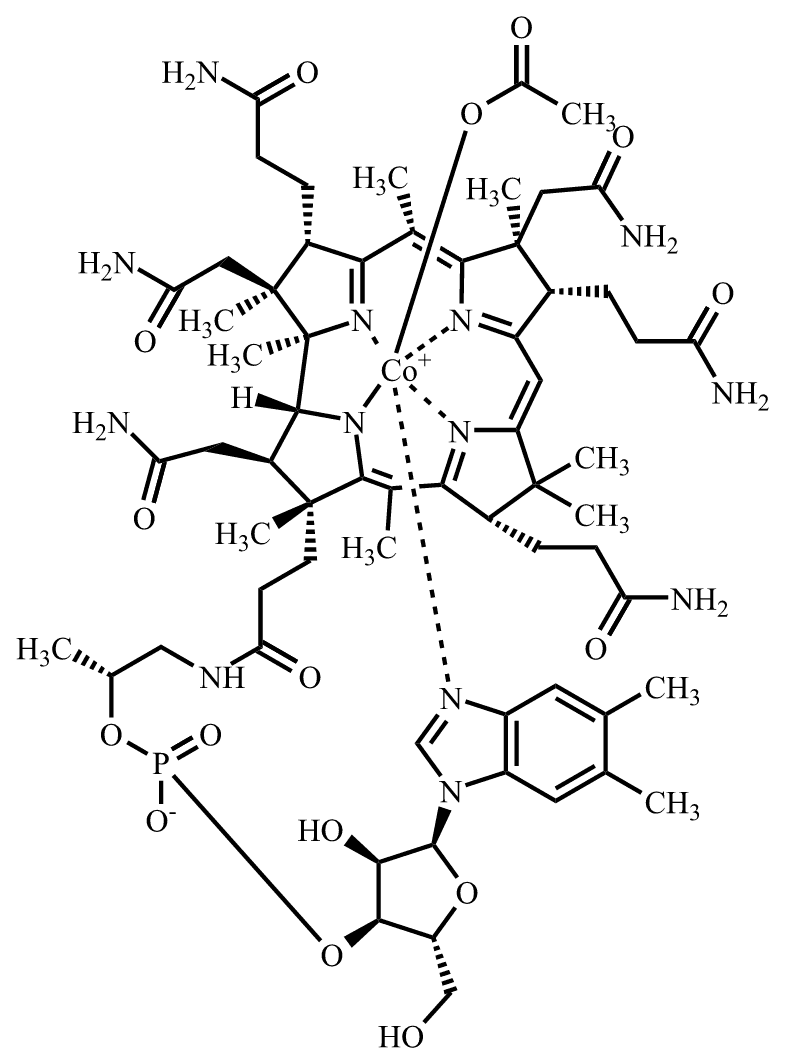
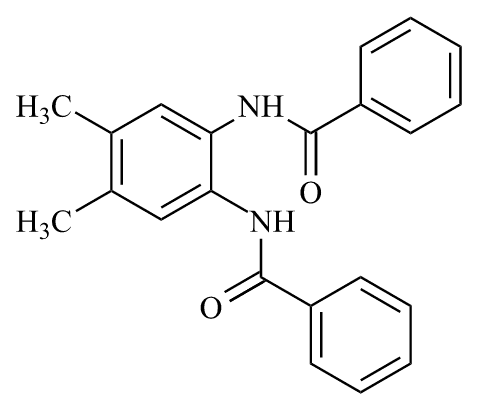
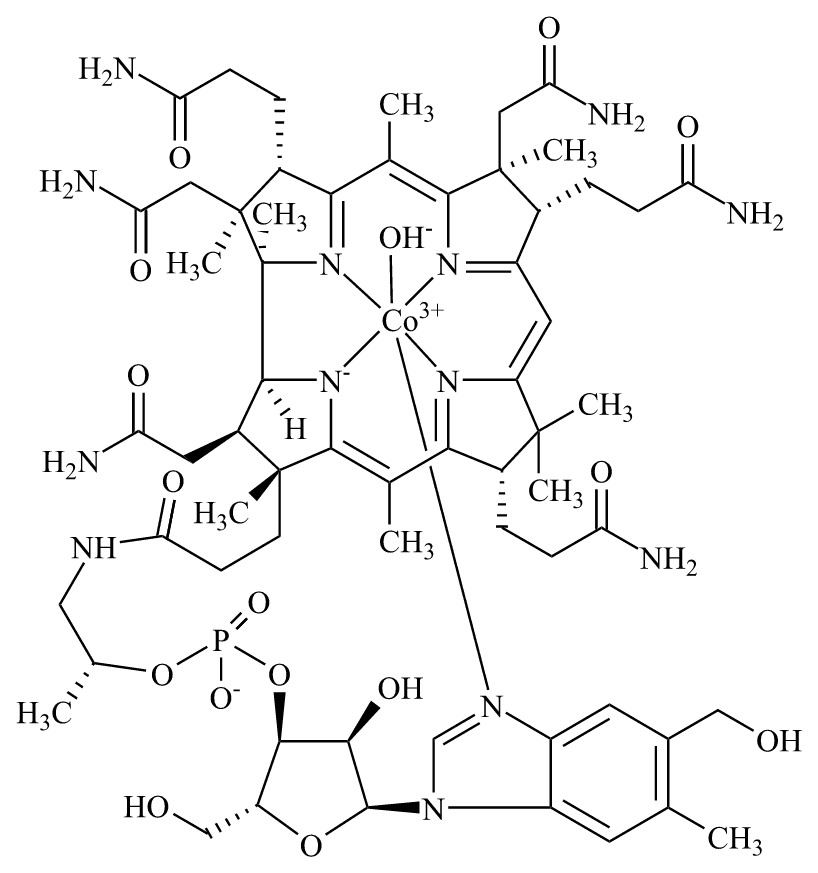
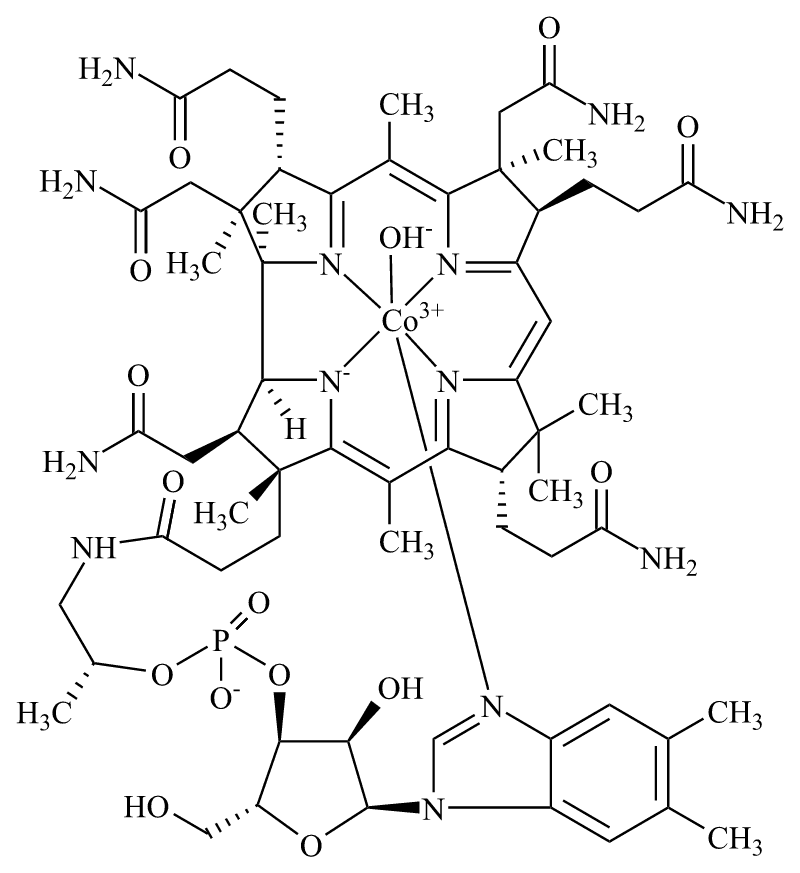
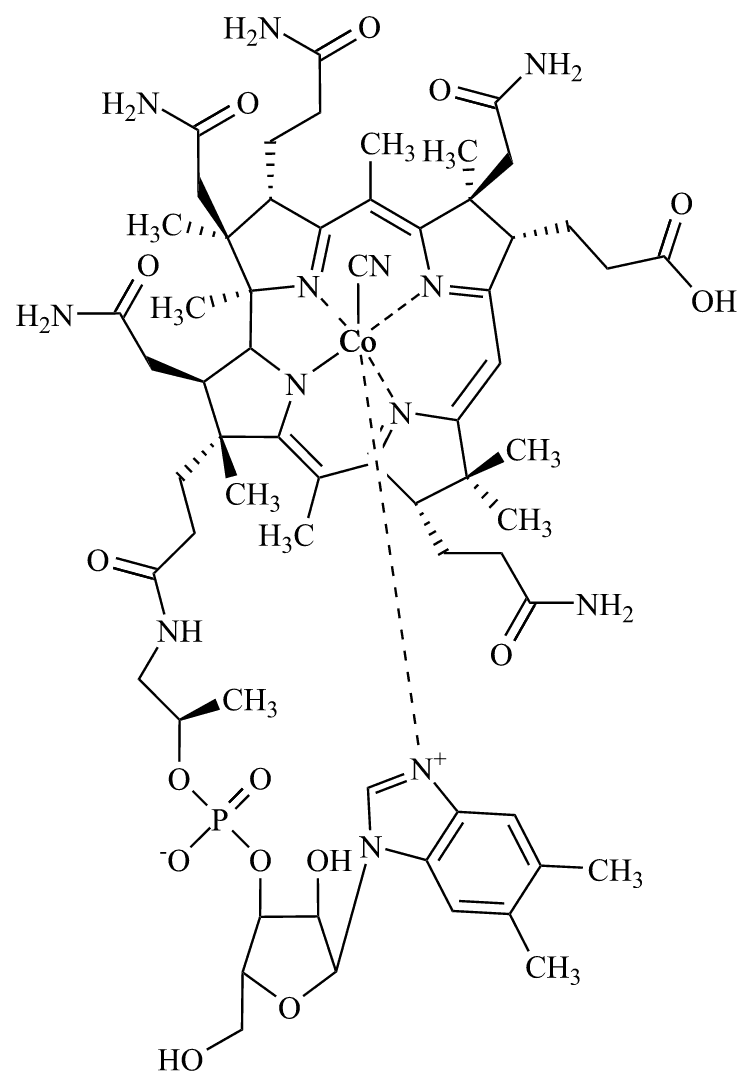
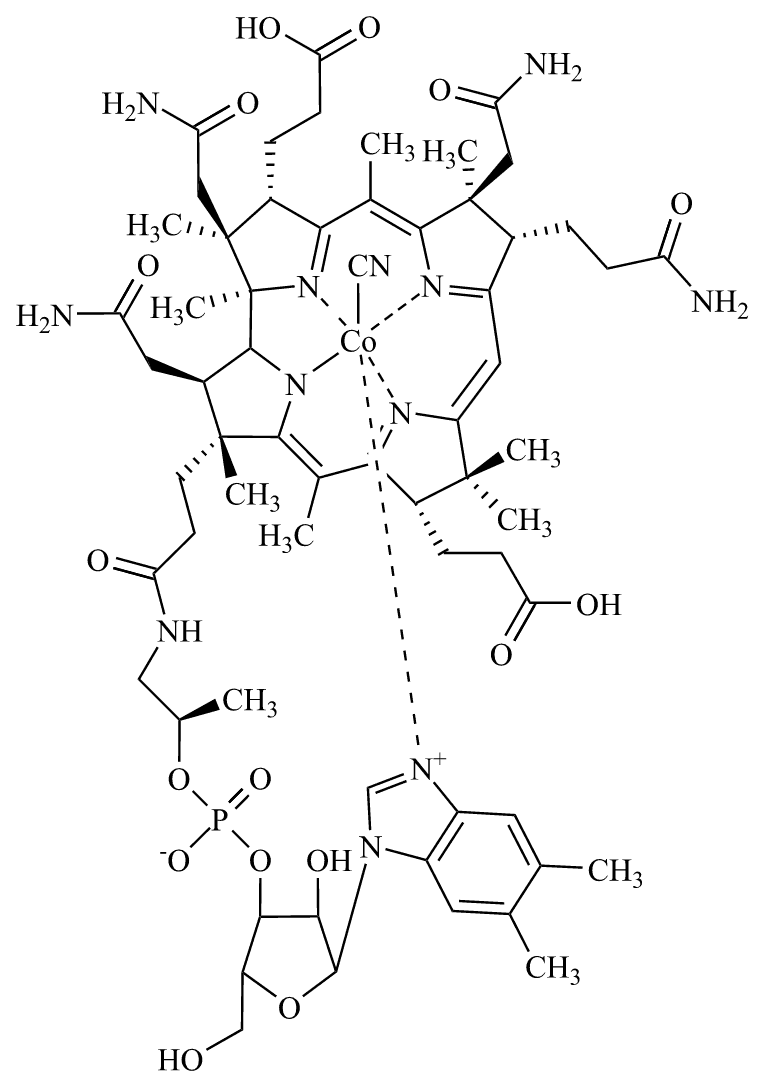
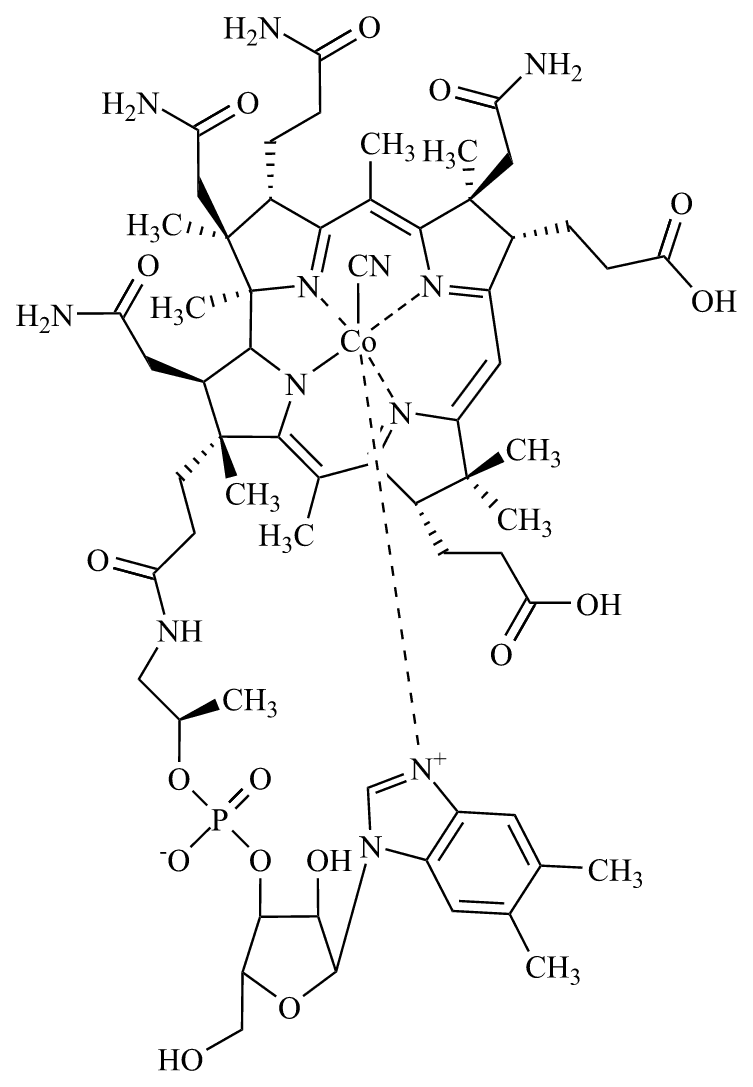
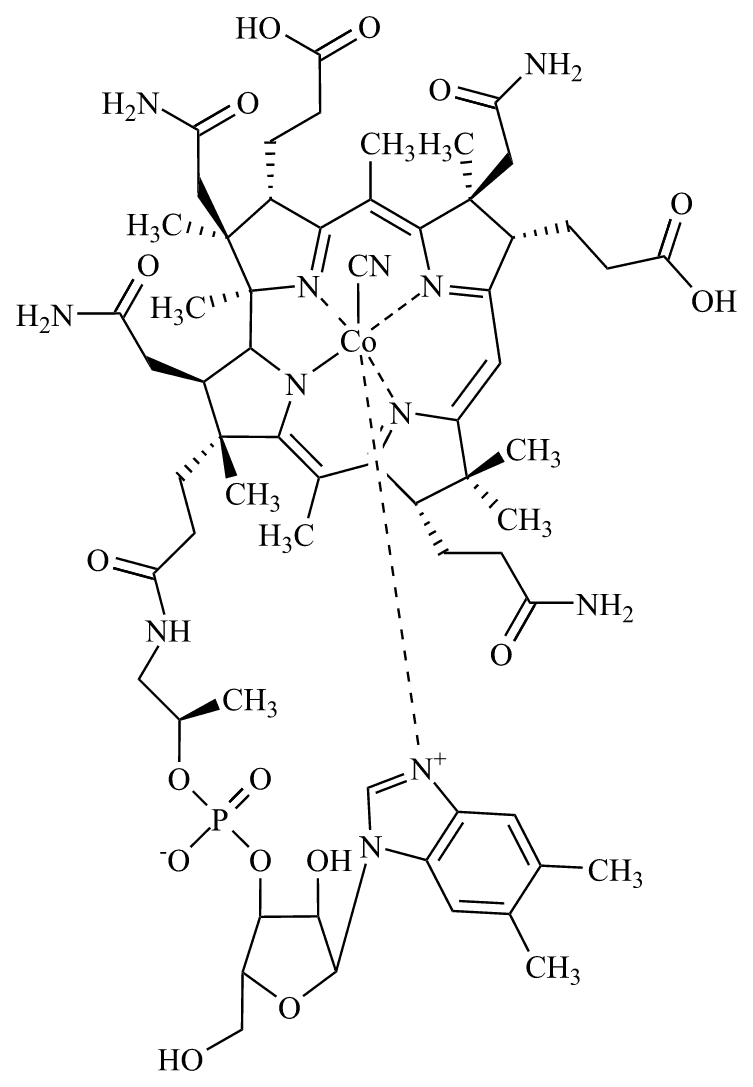
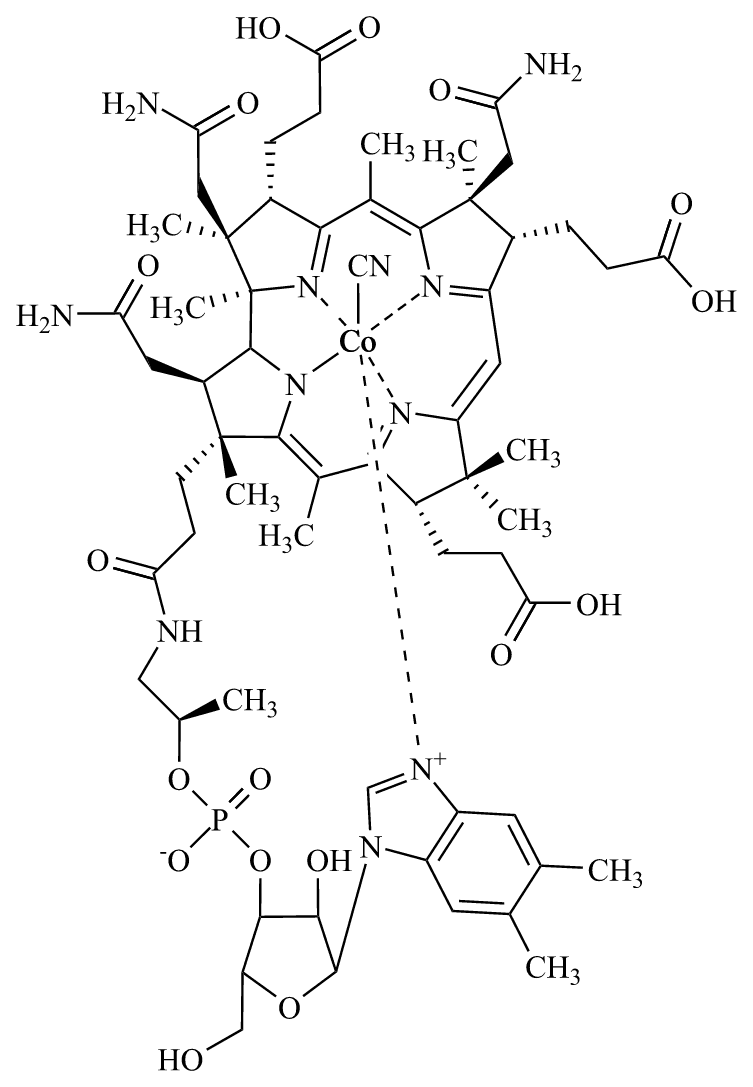
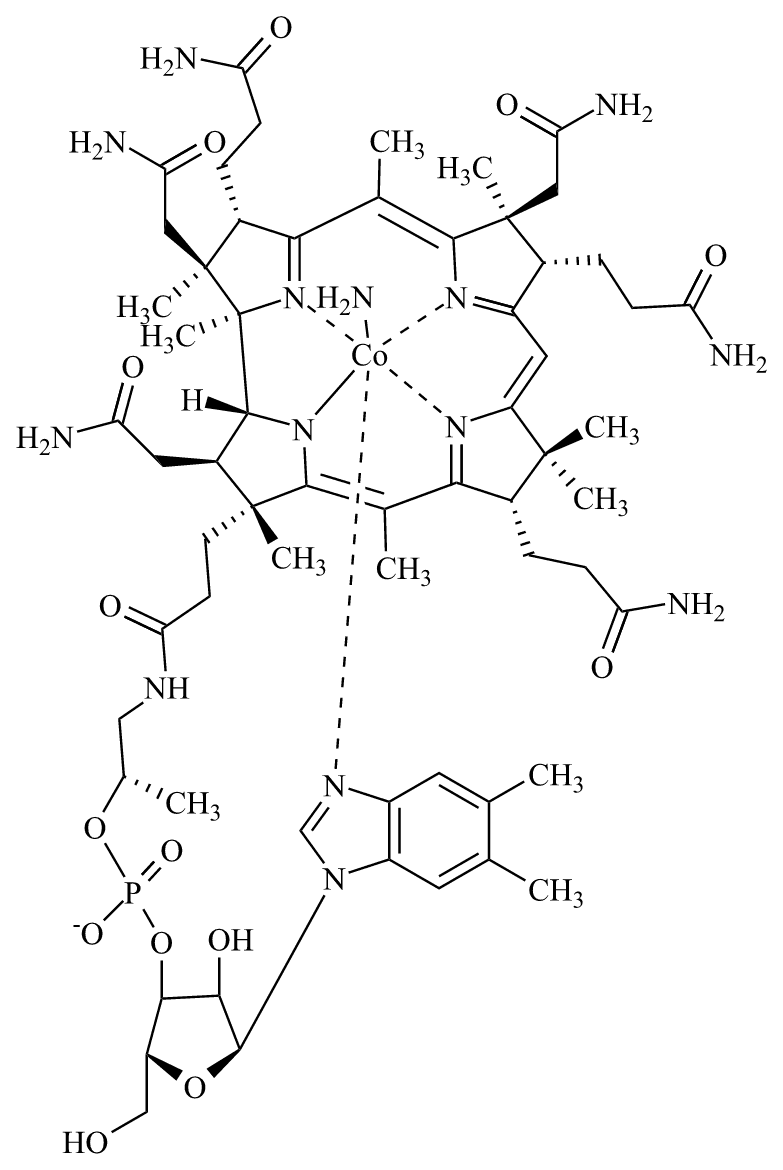
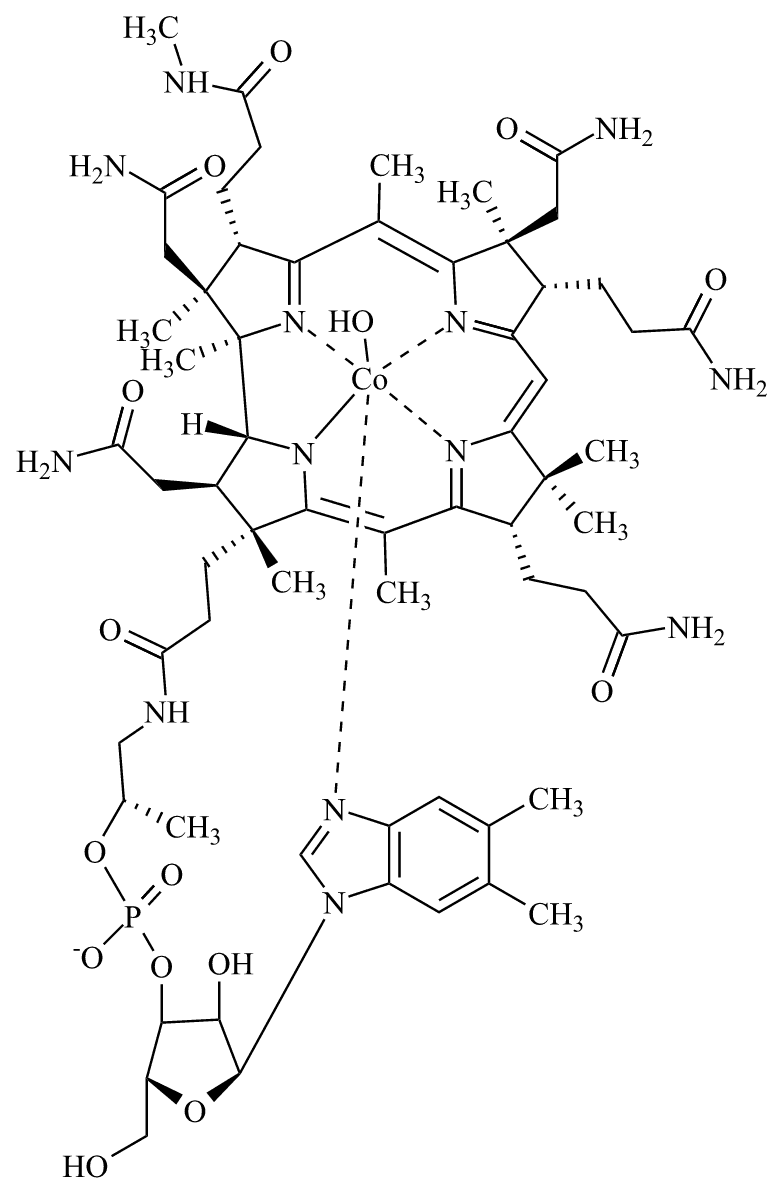
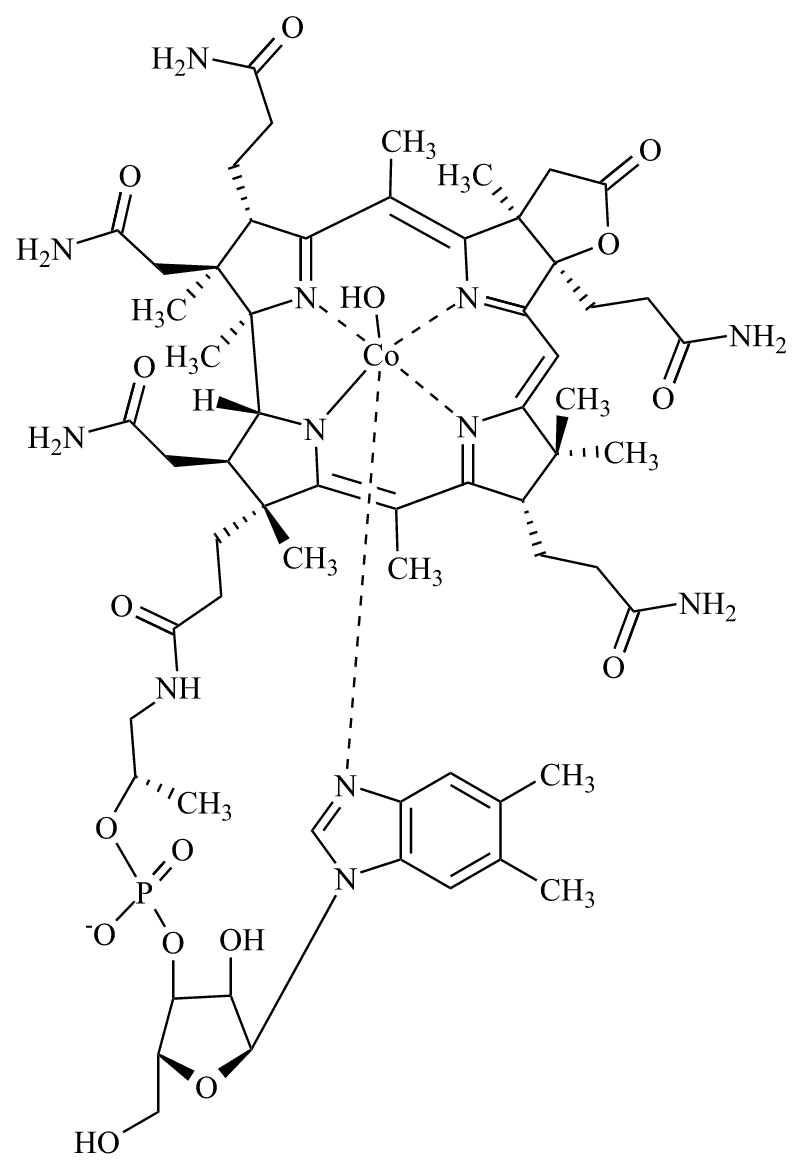
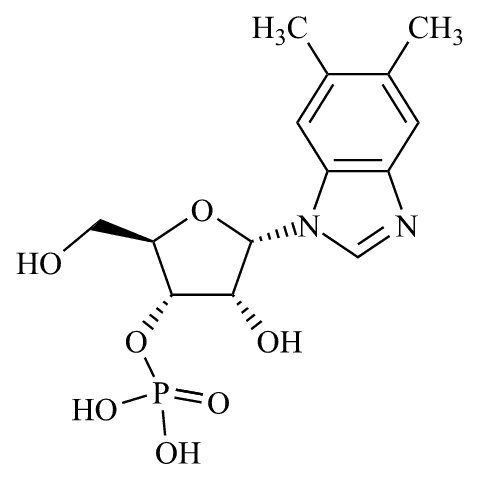
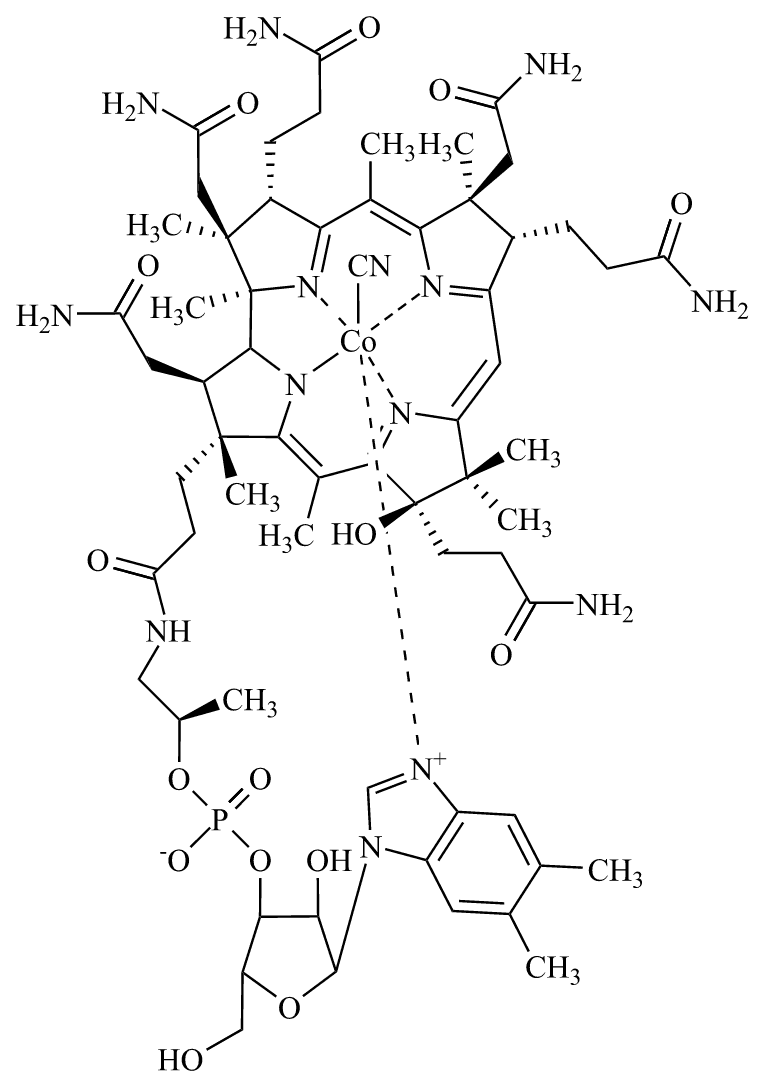
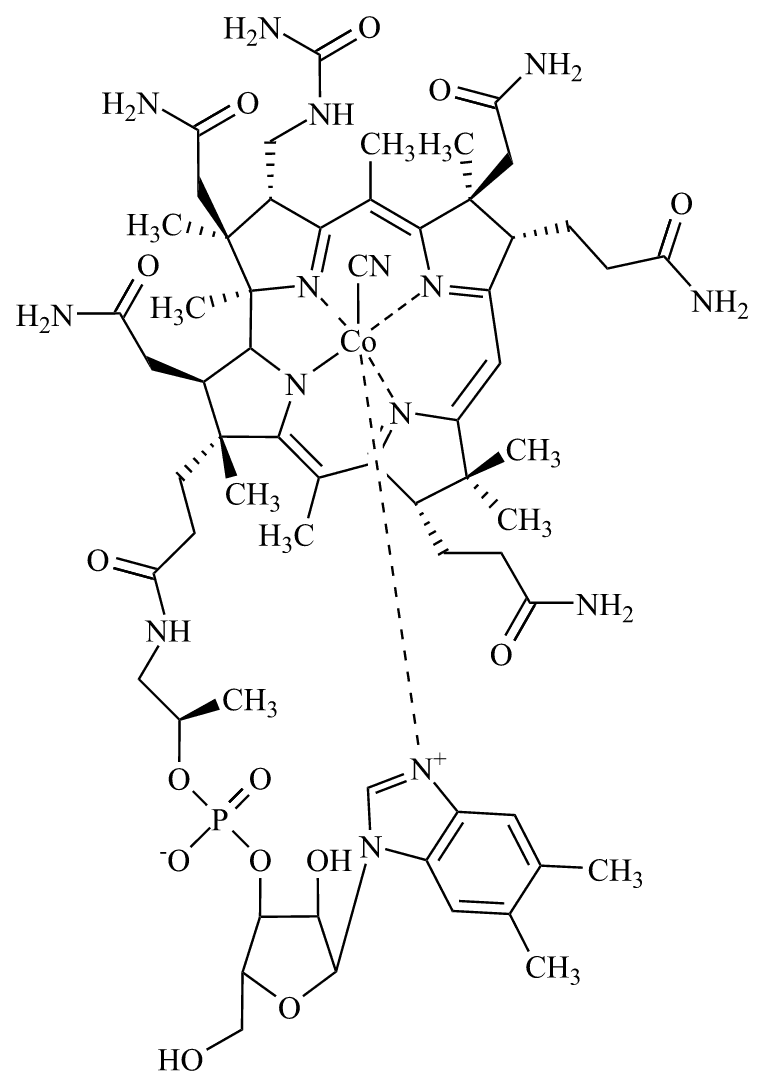
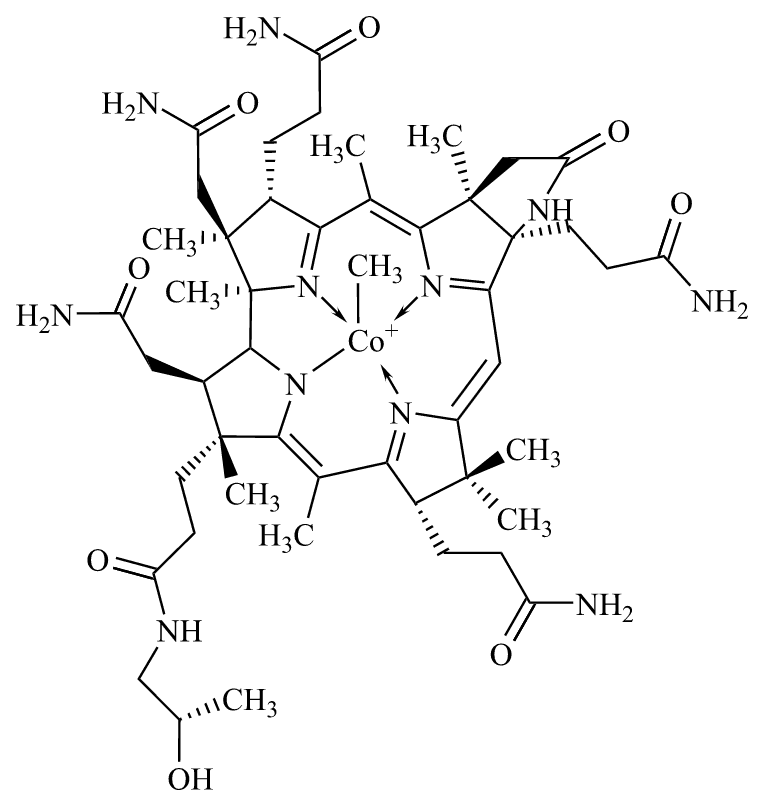
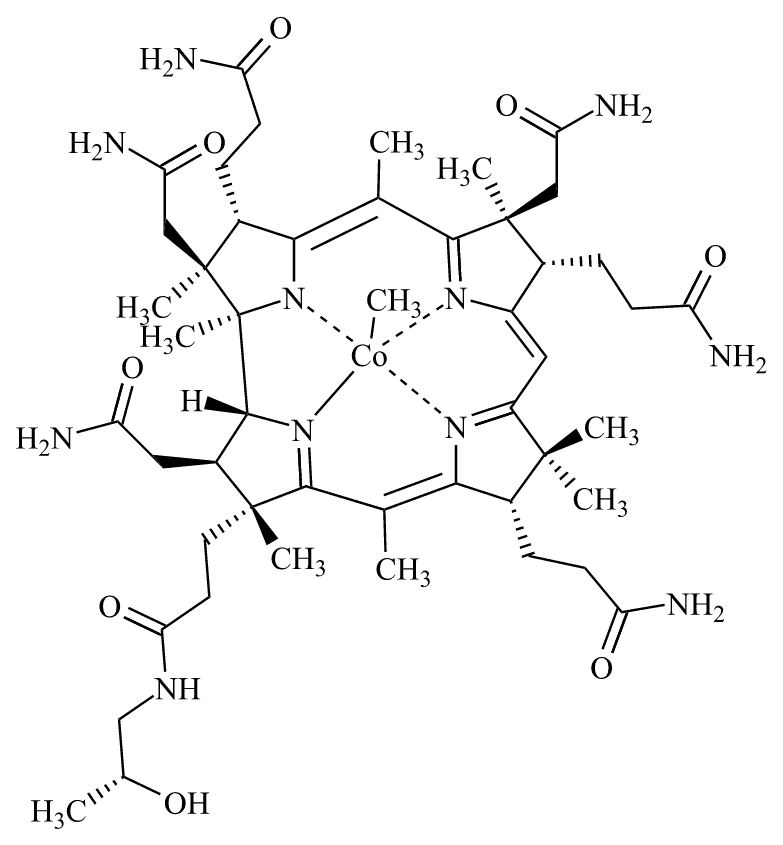
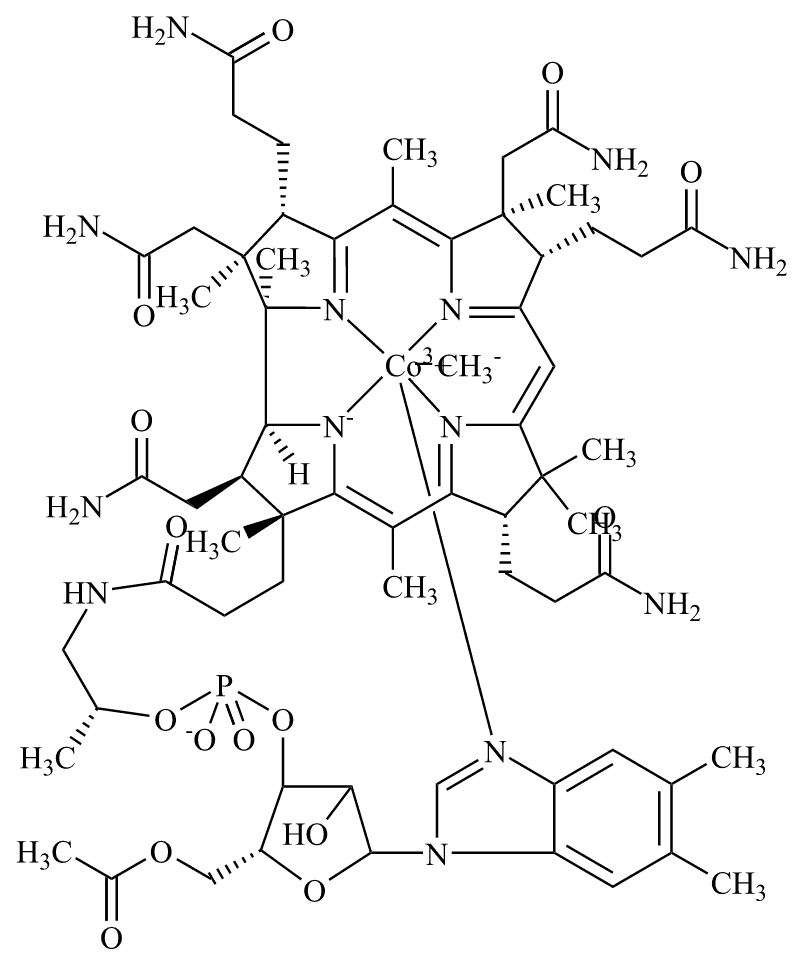
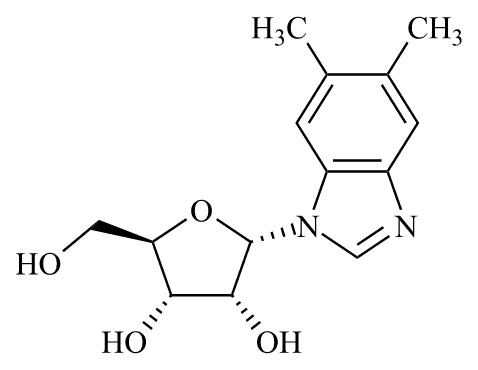
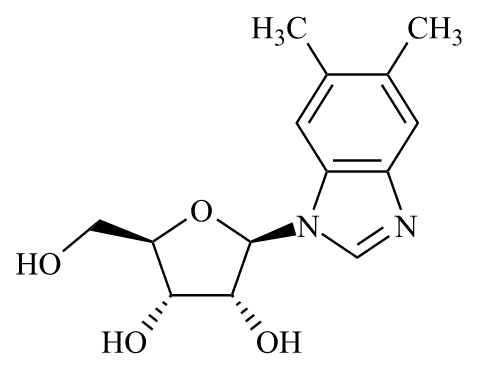
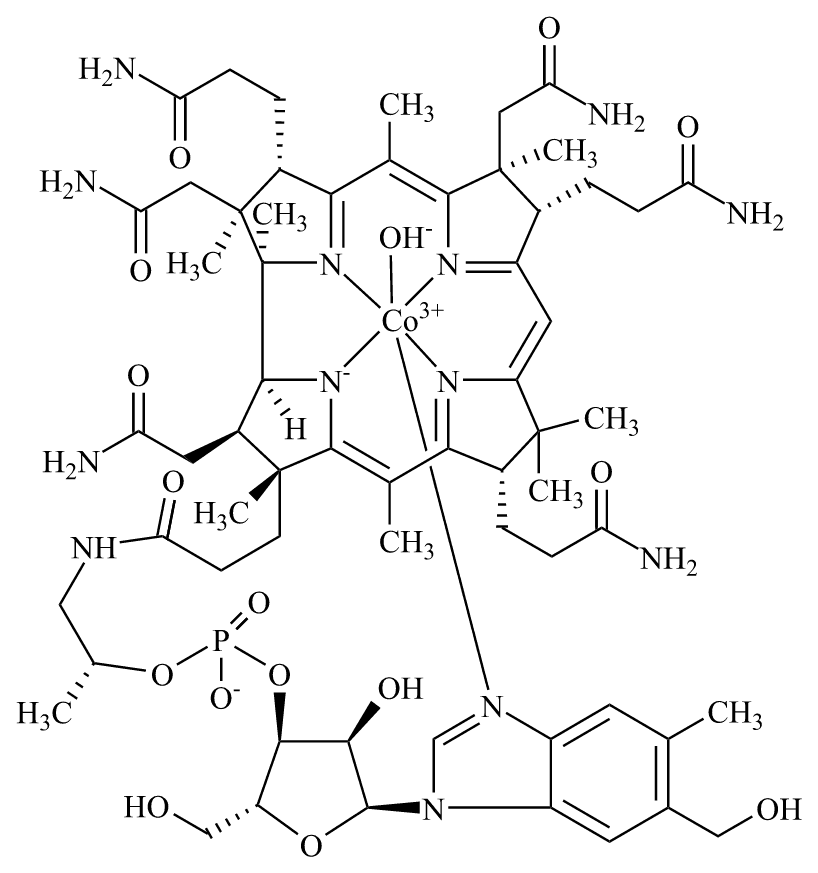
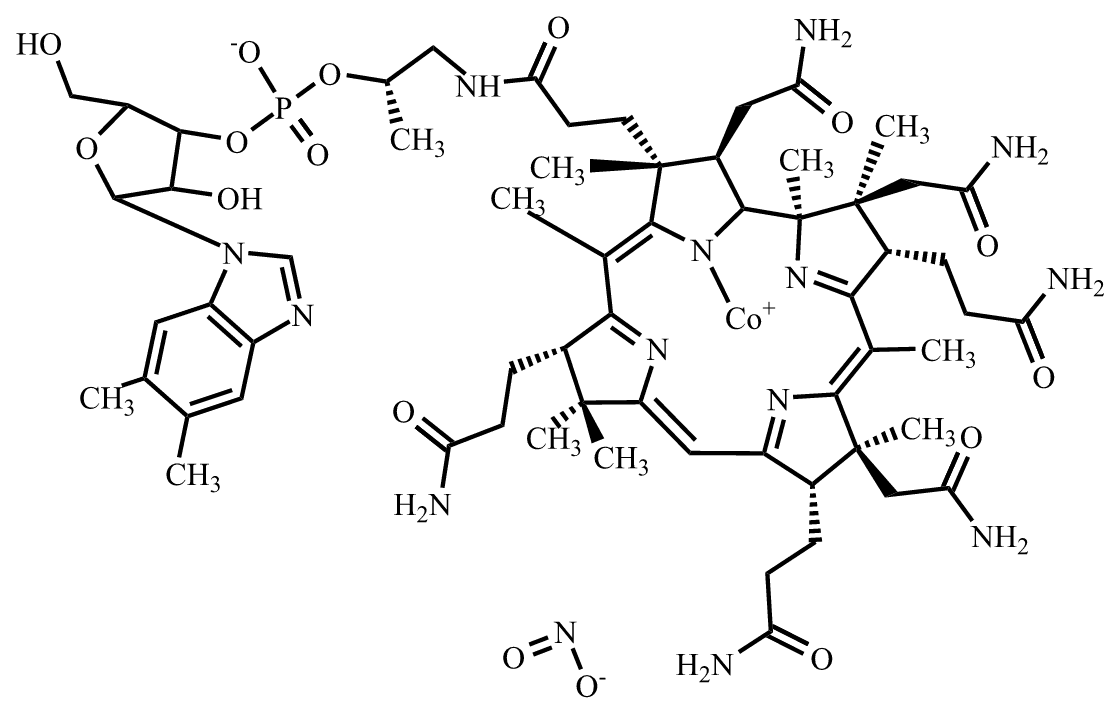
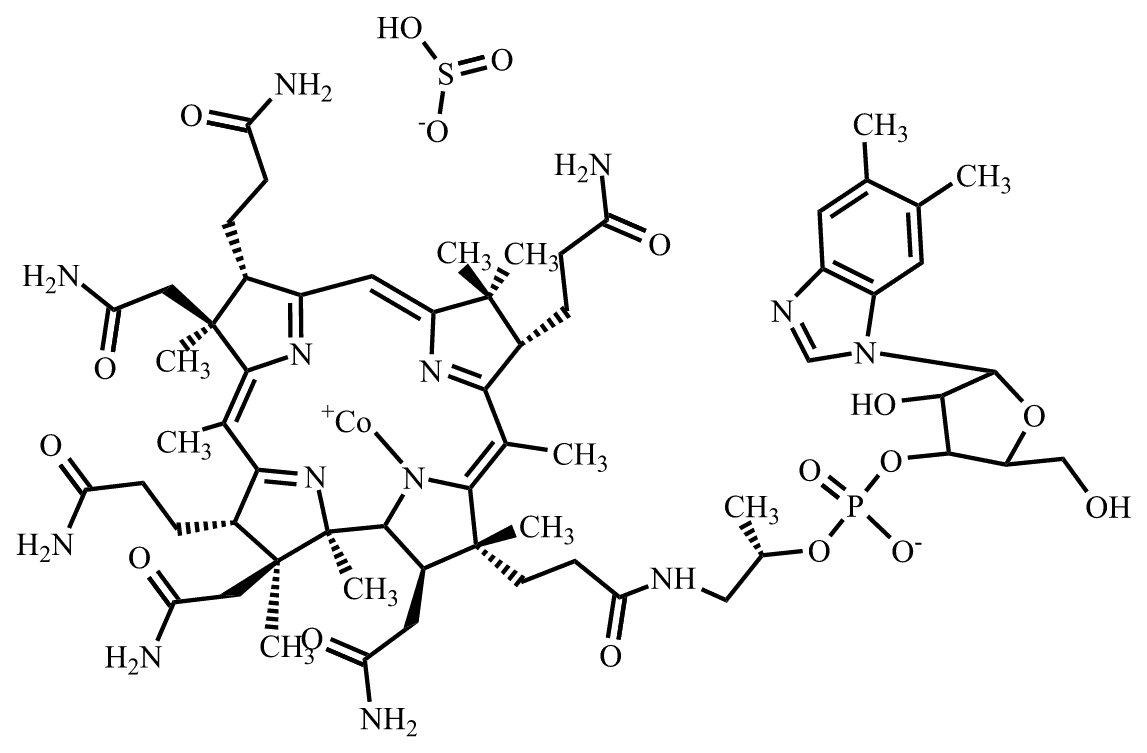
Vitamin B12, also known as cobalamin, is a vital water-soluble B-complex vitamin that acts as an essential cofactor for red blood cell formation, DNA synthesis, and neurological health. It is commonly prescribed to manage conditions such as pernicious anemia, megaloblastic anemia, and associated neurological disorders. This category encompasses a comprehensive selection of Vitamin B12 reference standards, including various cobalamin derivatives, impurities, and stable isotope labelled compounds. These materials are indispensable for pharmaceutical laboratories conducting rigorous quality control and impurity profiling. By utilizing highly accurate reference standards and stable isotope labelled materials, analytical chemists can perform precise method validation and quantification, ensuring that pharmaceutical preparations meet strict regulatory requirements for efficacy and safety. These tools support the analysis of the active pharmaceutical ingredient throughout the manufacturing lifecycle, providing reliable benchmarks for detecting and identifying trace degradation products or synthesis-related impurities.

