India +91 94223 00020abhay@splendidlab.comISO 17034:2016 · GLP certified
VITAMIN K1, also known as phytonadione, is a fat-soluble vitamin and quinone derivative essential for the hepatic synthesis of blood clotting factors II, VII, IX, and X. It is clinically indicated for… Read more


![Chemical structure of 2,3-Epoxy-2-methyl-3-[(2E,7R,11R)]-3,7,11,15-tetramethylhexadec-2-enyl]-2,3-dihydronaphthalene-1,4-dione](/_next/image?url=https%3A%2F%2Fassets.splendidlab.com%2F1588773-08-3-23-Epoxy-2-methyl-3-2E7R11R-371115-tetramethylhexadec-2-enyl-23-dihydronaphthalene-14-dione.png&w=3840&q=75)
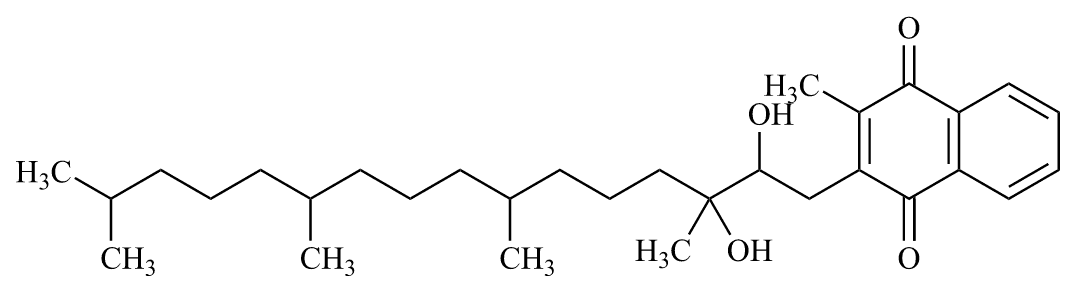



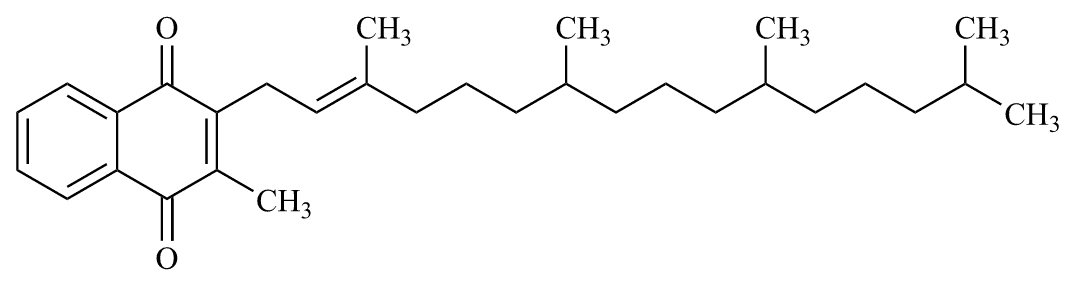
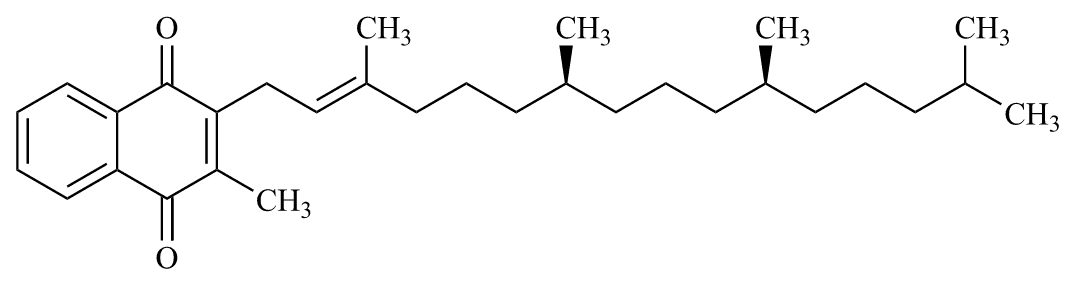



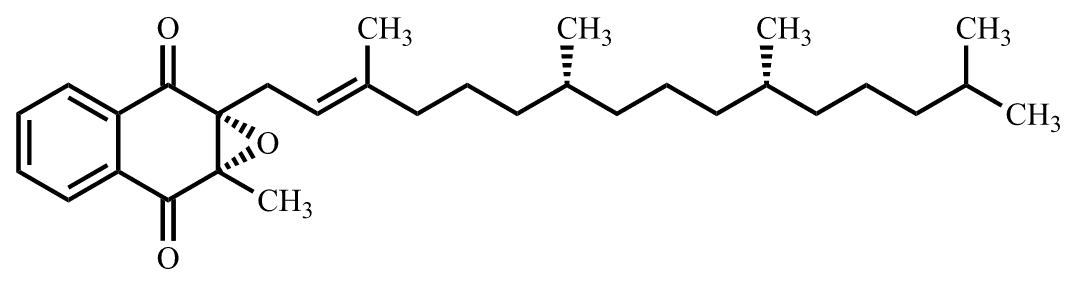
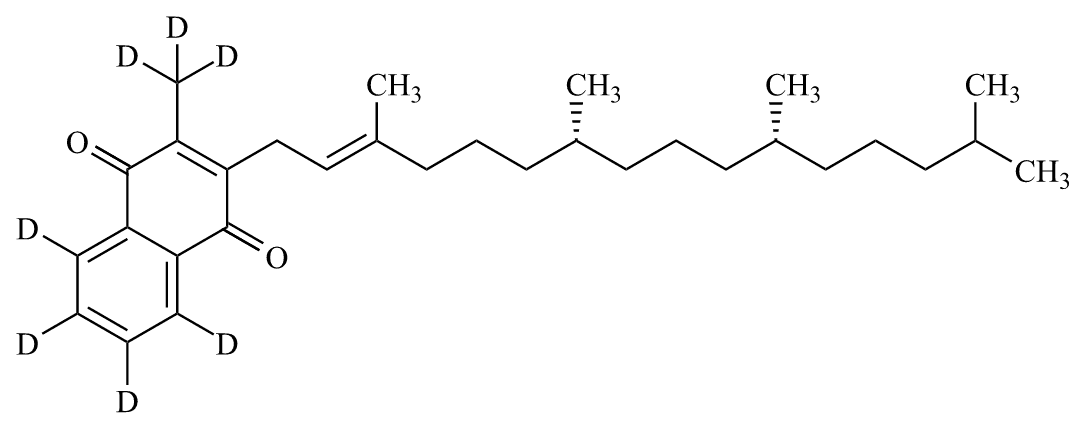
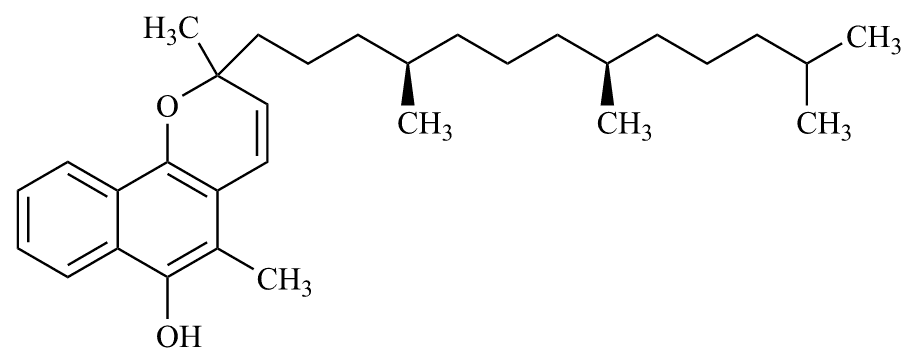
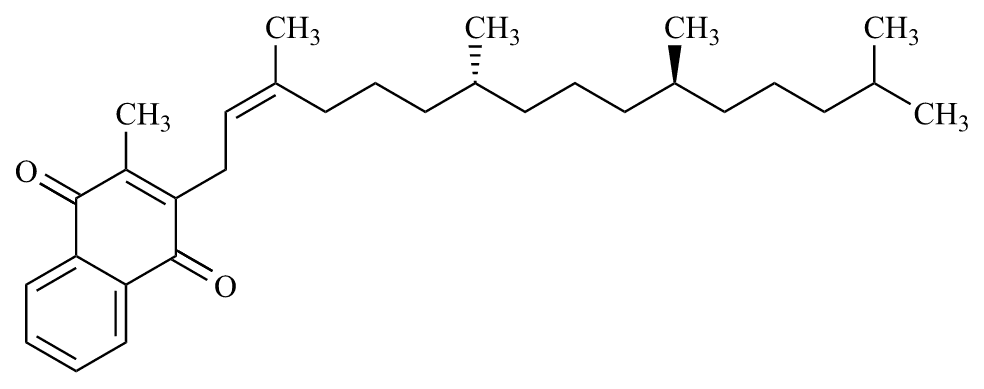
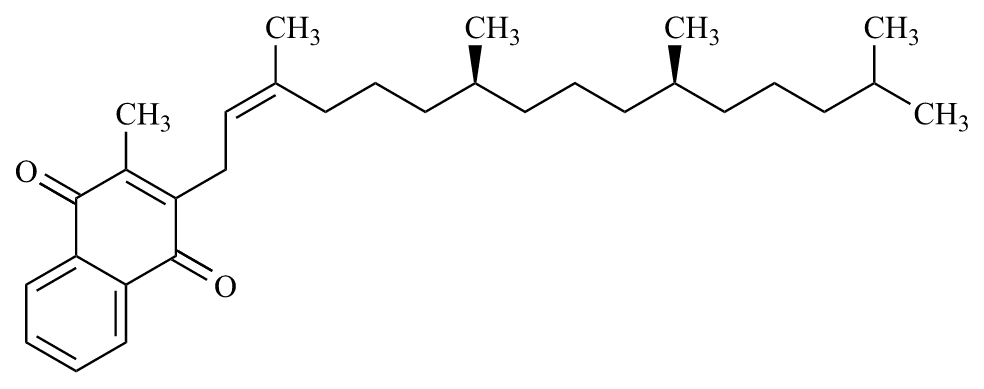
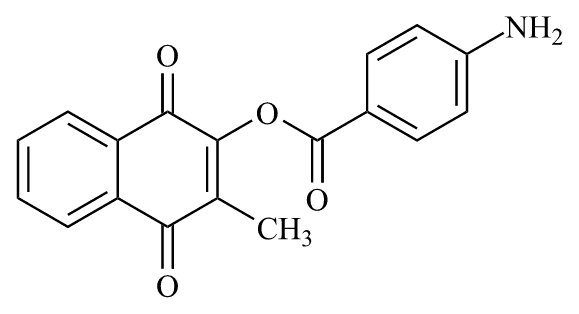

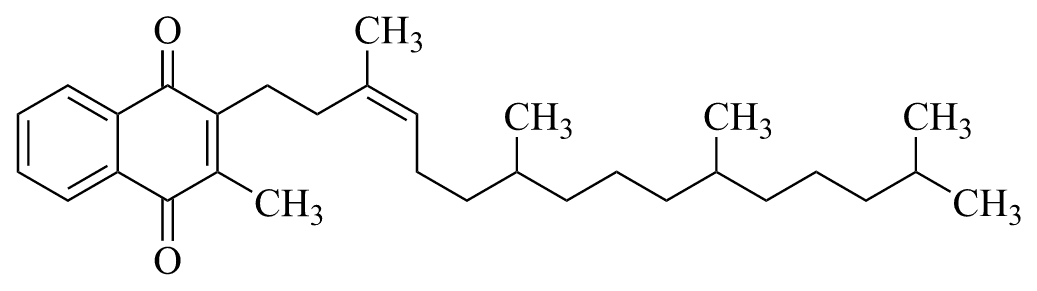

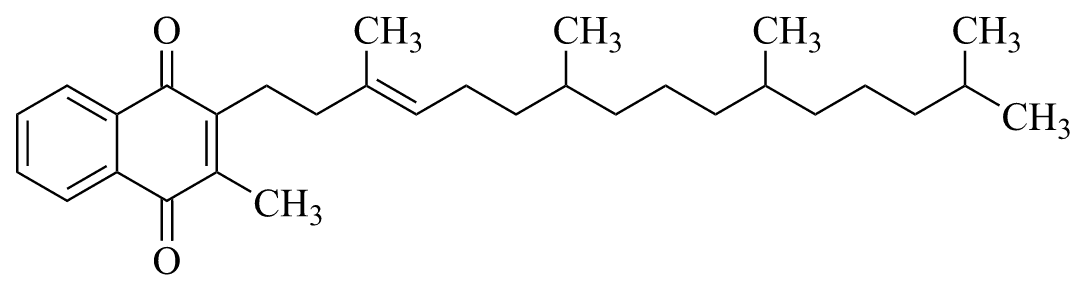
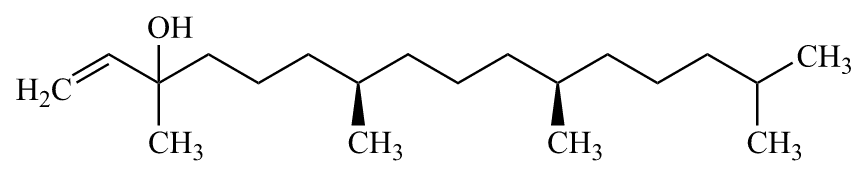

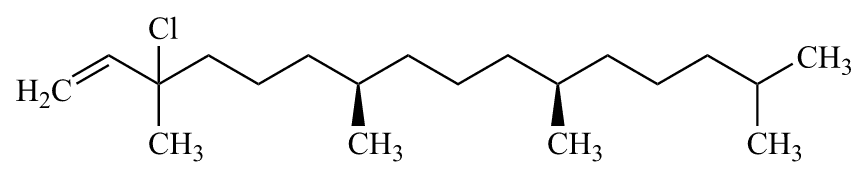
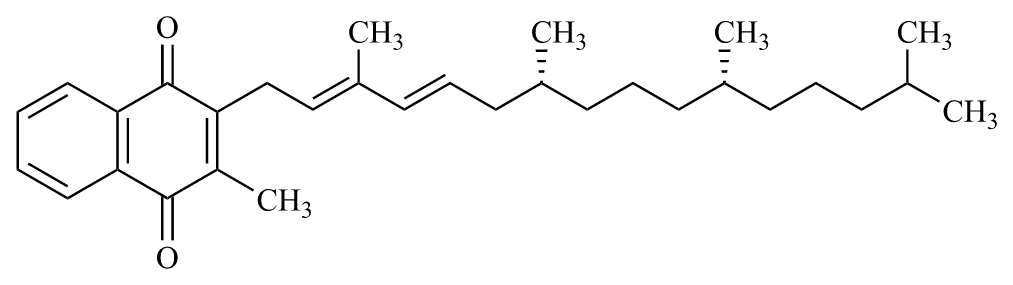
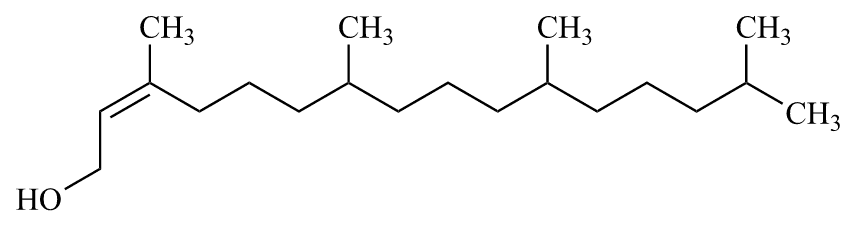
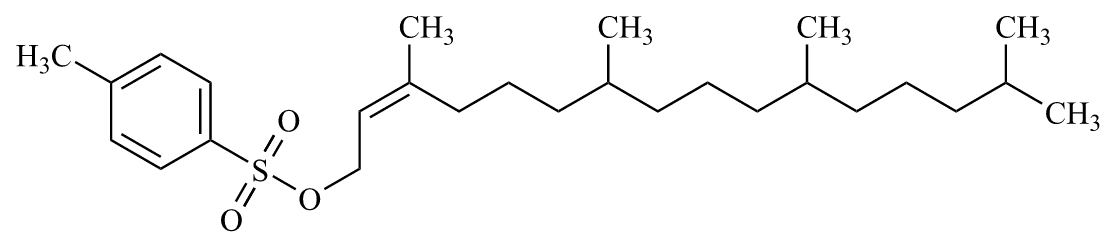
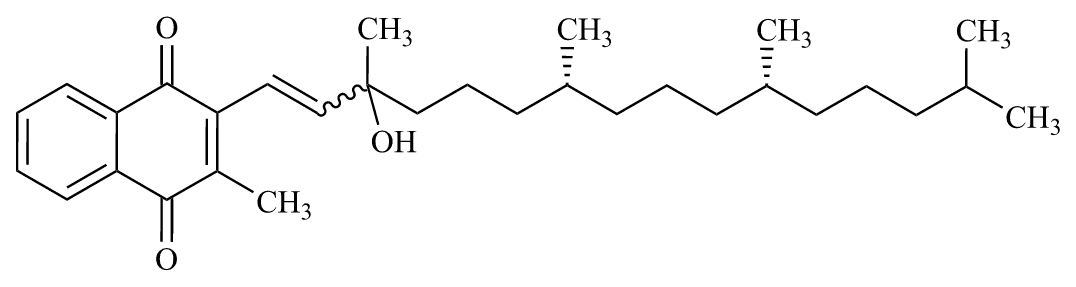
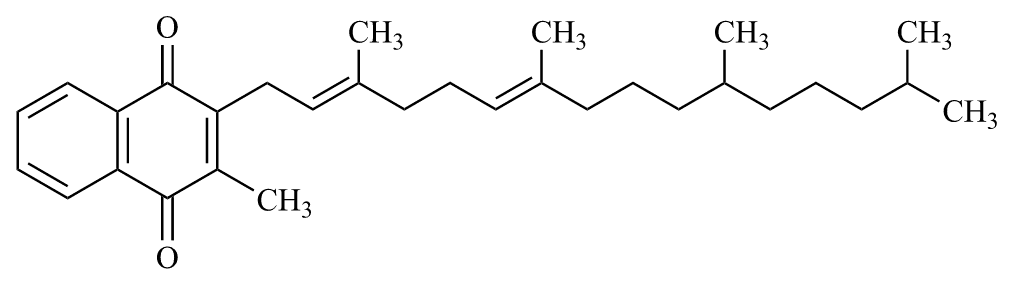
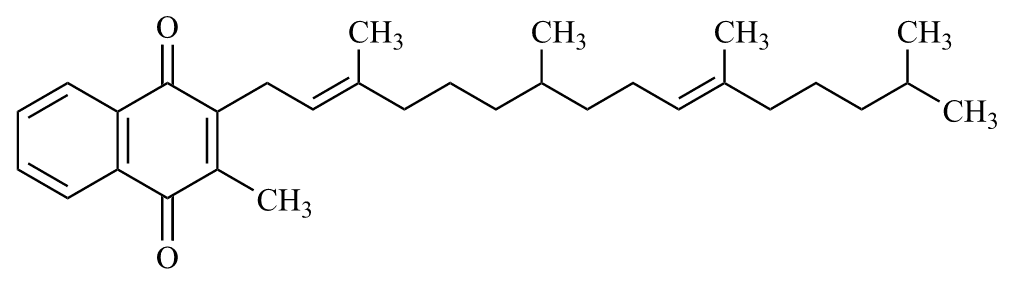
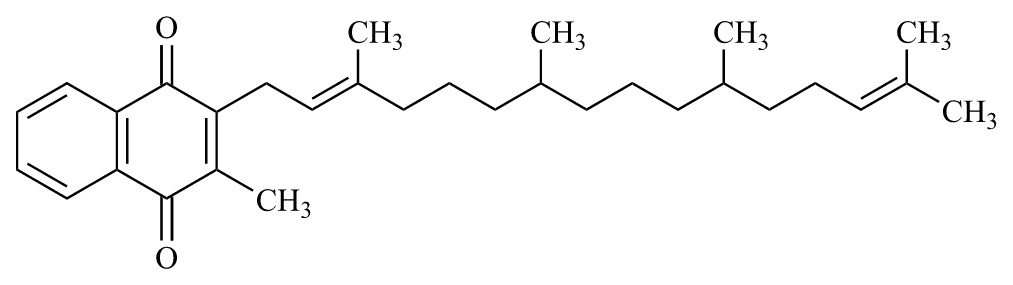
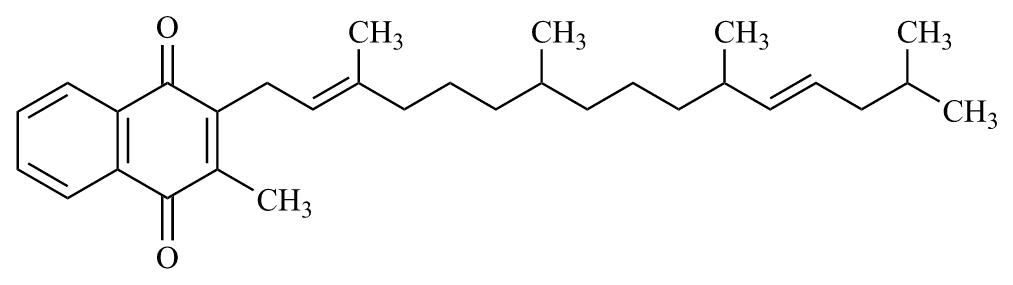
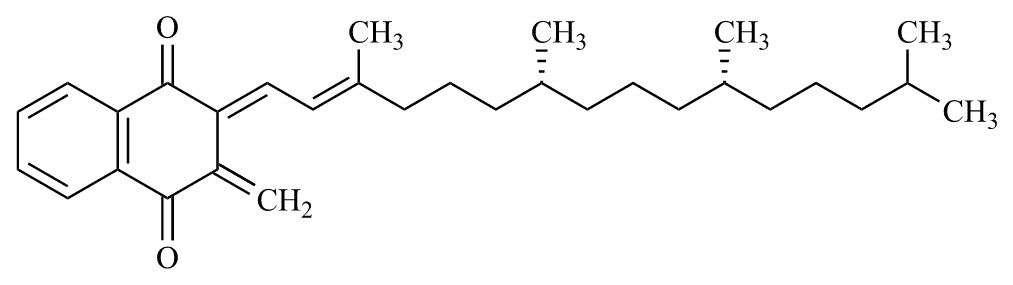


VITAMIN K1, also known as phytonadione, is a fat-soluble vitamin and quinone derivative essential for the hepatic synthesis of blood clotting factors II, VII, IX, and X. It is clinically indicated for the treatment of hemorrhagic conditions, the reversal of warfarin-induced anticoagulation, and the prophylaxis of vitamin K deficiency. Within this catalogue, the collection of Vitamin K1 reference standards, impurities, and stable isotope labelled compounds provides critical tools for pharmaceutical laboratories. These materials are essential for rigorous impurity profiling, enabling the identification and quantification of process-related substances and degradation products. By utilizing these characterized standards, researchers can perform accurate method validation and quality control testing, ensuring that pharmaceutical formulations meet safety and regulatory standards throughout their shelf life. These compounds support the development of robust analytical methods required to maintain drug efficacy and compliance in the global pharmaceutical industry.

