India +91 94223 00020abhay@splendidlab.comISO 17034:2016 · GLP certified
Hydroxychloroquine is a 4-aminoquinoline drug widely used for its antimalarial and immunomodulatory properties in the treatment of malaria, rheumatoid arthritis, and systemic lupus erythematosus. As pharmaceutical… Read more


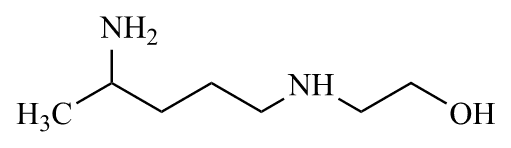
amino}ethan-1-ol](/_next/image?url=https%3A%2F%2Fassets.splendidlab.com%2F159346-86-8-2-4R-4-Aminopentylethylaminoethan-1-ol.png&w=3840&q=75)
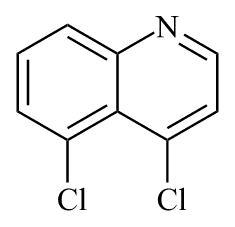


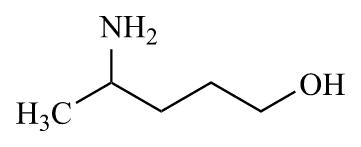
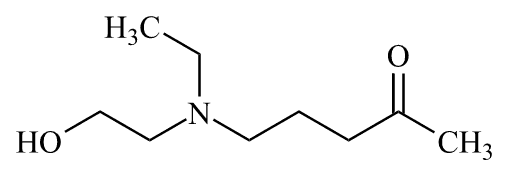
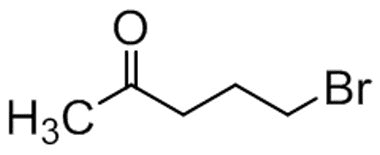
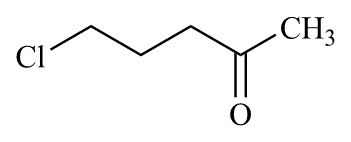
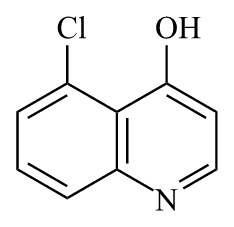
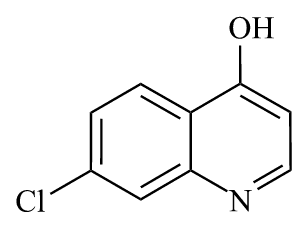
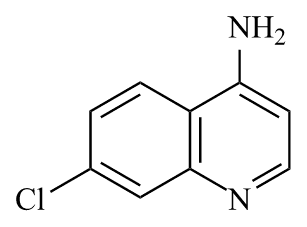
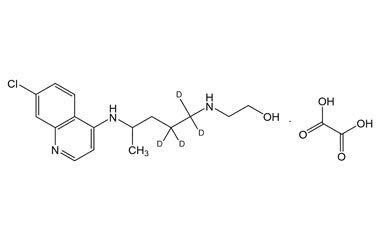

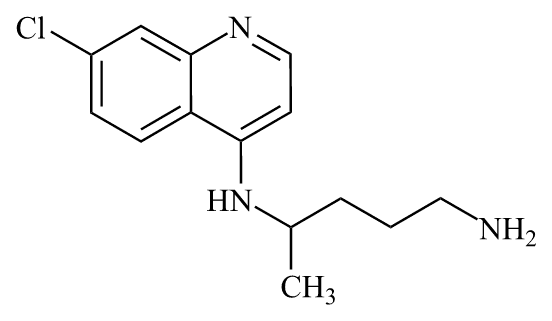
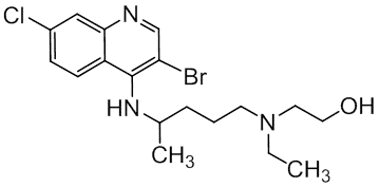
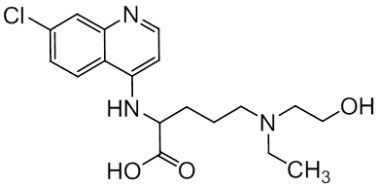
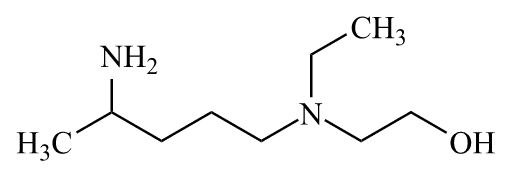
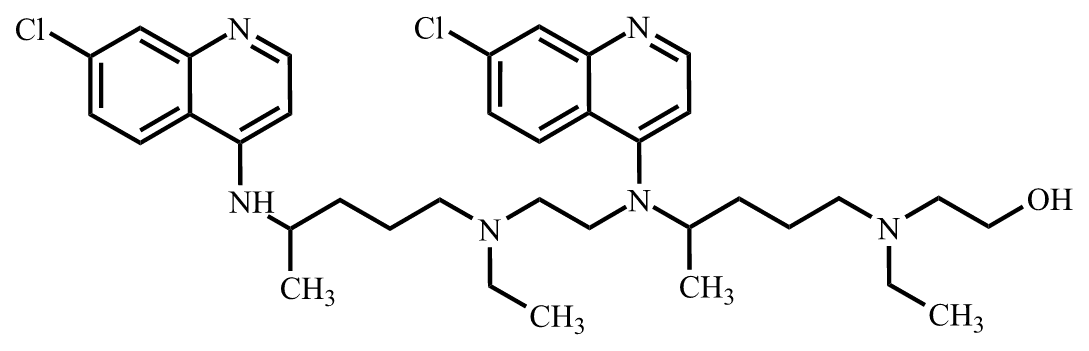
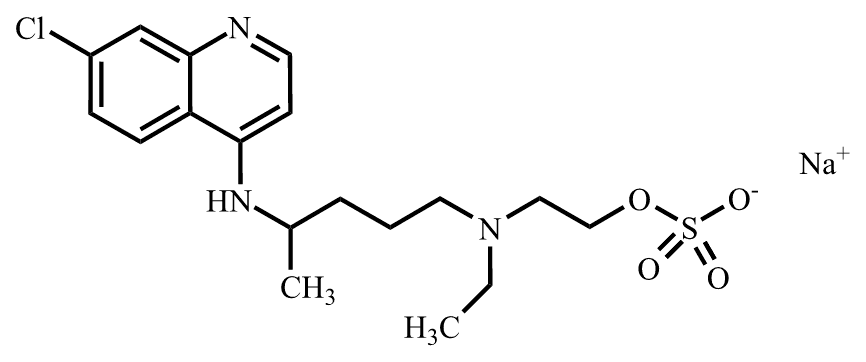
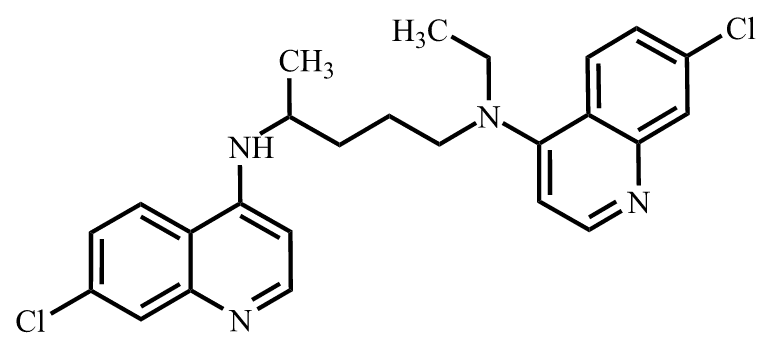
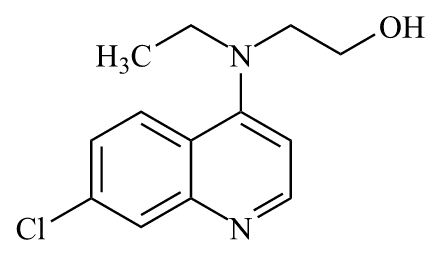
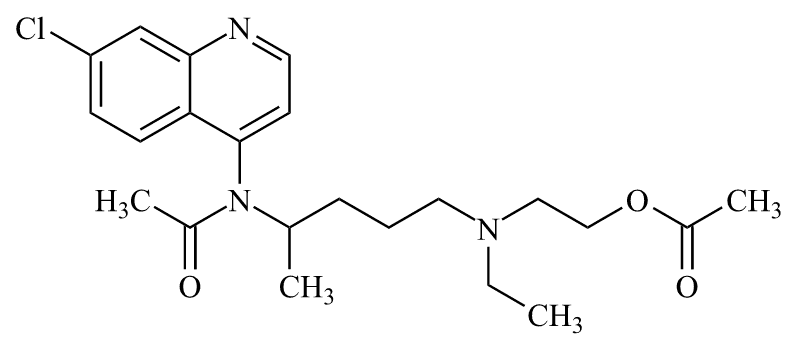
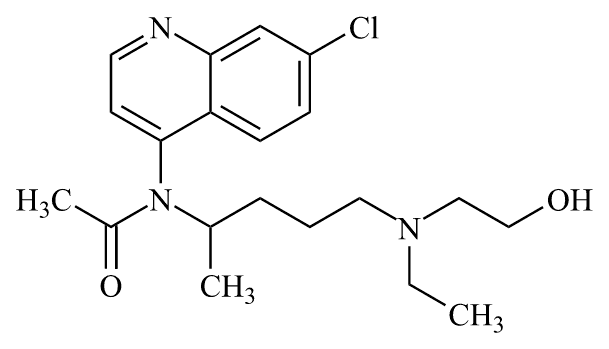

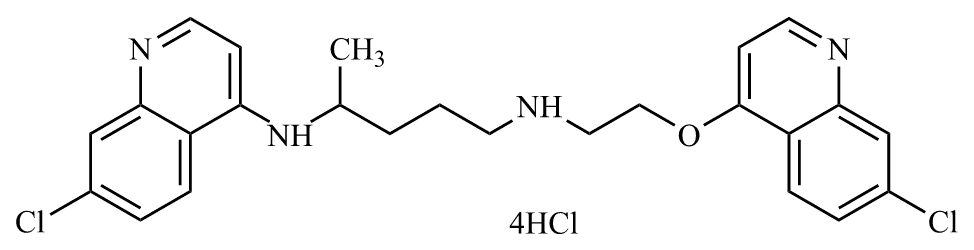

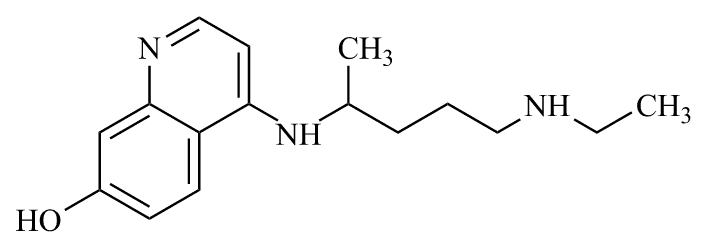

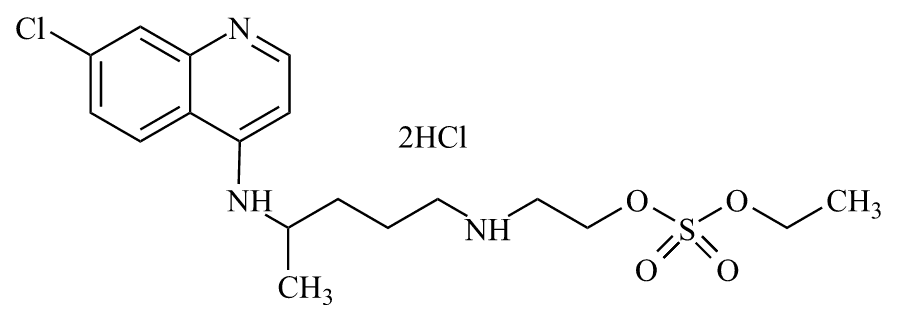
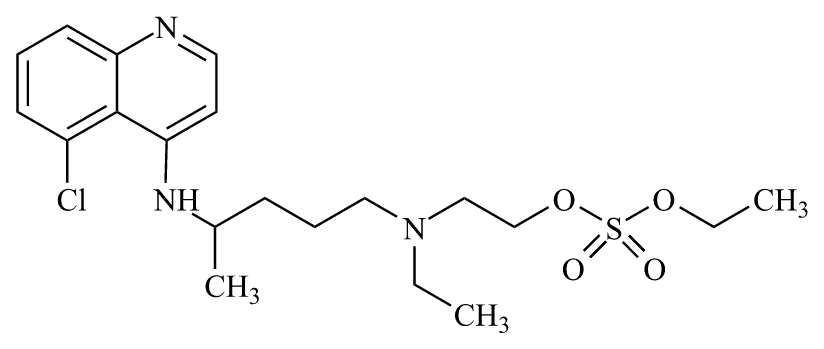
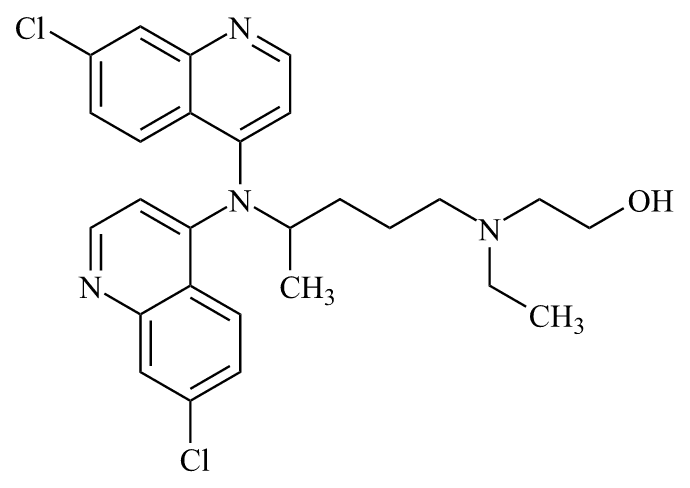
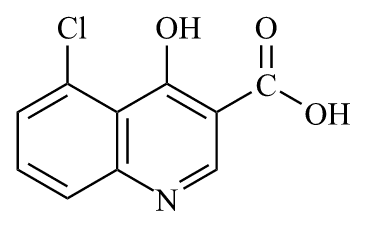
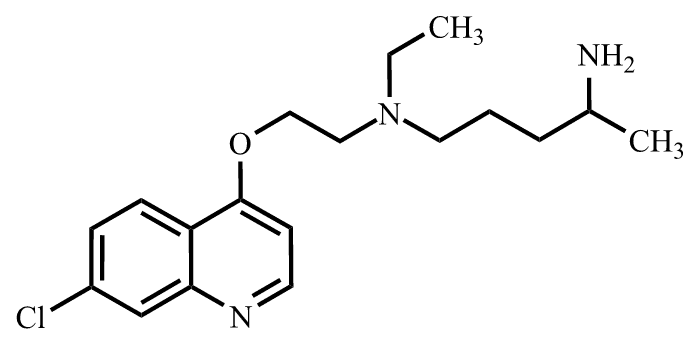
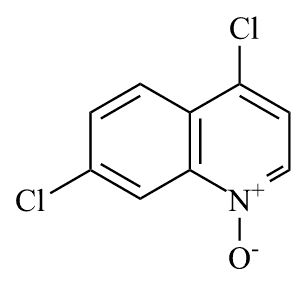
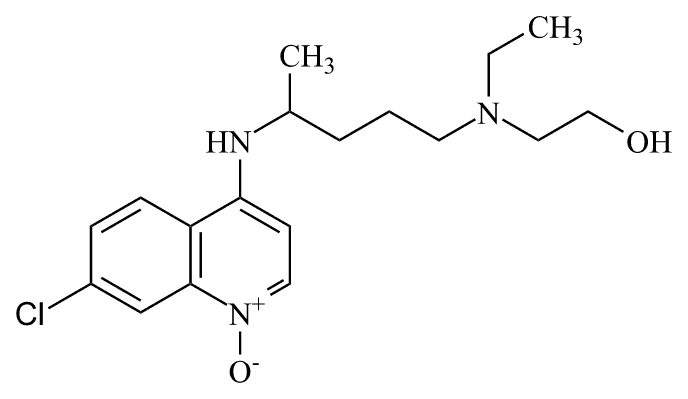
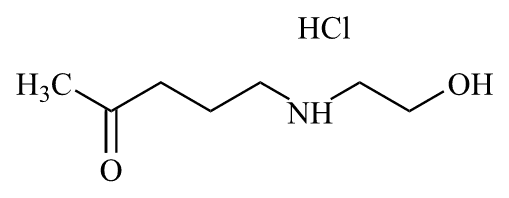
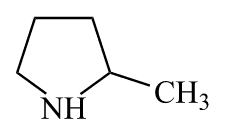
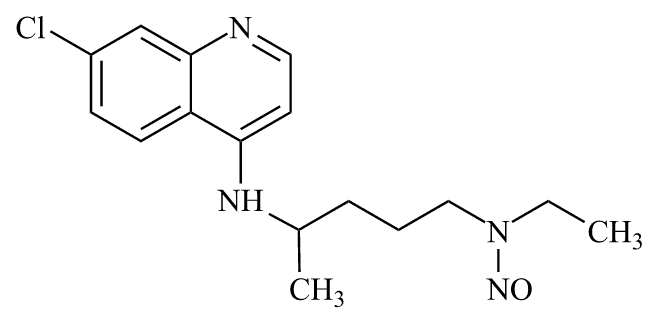
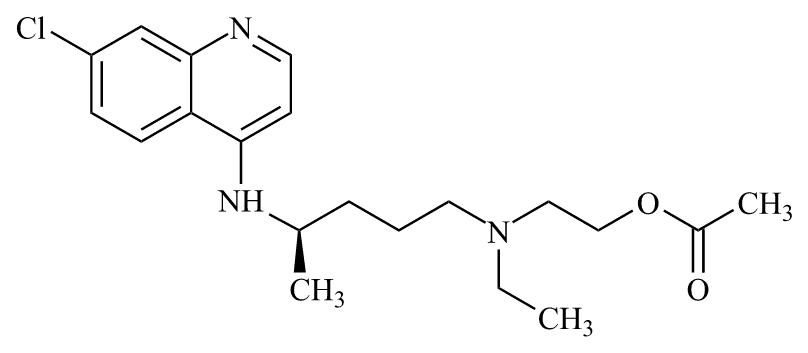
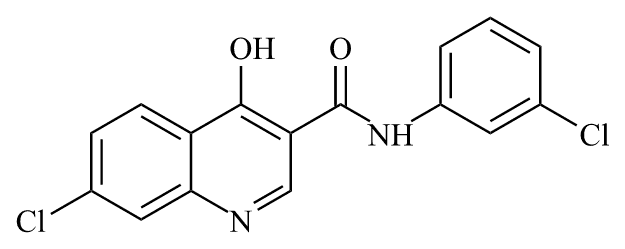
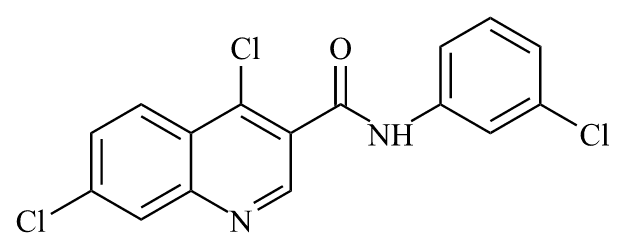
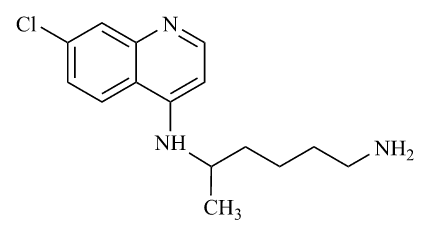
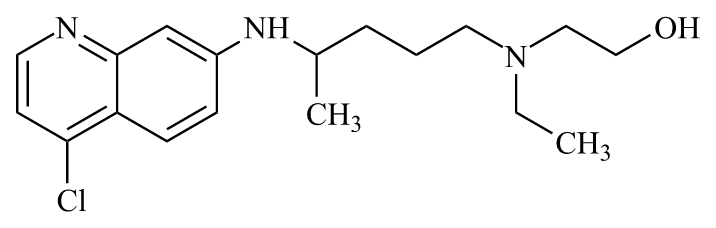
Hydroxychloroquine is a 4-aminoquinoline drug widely used for its antimalarial and immunomodulatory properties in the treatment of malaria, rheumatoid arthritis, and systemic lupus erythematosus. As pharmaceutical laboratories perform rigorous quality control and method validation, they require high-quality reference standards to ensure the safety and efficacy of the medication. The availability of Hydroxychloroquine impurities—including process-related compounds, degradation products, and metabolites—is critical for comprehensive impurity profiling. These materials allow researchers to accurately identify and quantify trace substances in compliance with international regulatory guidelines. Furthermore, stable isotope labelled versions of the drug and its related substances are essential for precise analytical quantification, particularly in mass spectrometry-based studies. Utilizing these validated reference materials supports robust analytical method development, facilitating the ongoing monitoring of batch consistency and strict adherence to established safety standards throughout the drug’s lifecycle.

